Rescue methods for copper coin grass and pothos that have died from drought, drowning, fertilizer burn, or pests
Many people grow plants, but due to neglect, plants always end up dying in all kinds of ways. So do you know that even when a plant has not completely died, there are still other ways to save it? What exactly are those methods? Let's take a look.
1. Death from drought
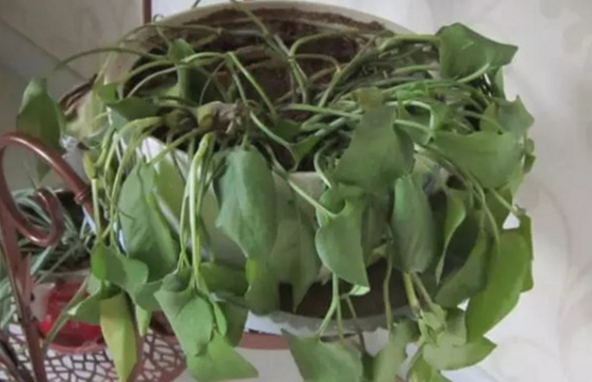
If flowers and plants are not watered in time, the leaves will begin to wilt from the top downward, gradually drying out at the skin, turning yellow, and the whole plant will wither and die. The copper coin grass in the picture below has wilted due to lack of water.
Rescue:
1. Clean up: Cut off all the wilted branches and leaves of the copper coin grass, keeping the healthy root system.
2. Regrow: After watering, place it in a warm, bright spot indoors. After some time, the copper coin grass will sprout again.
Note: Other flowers and plants in this situation should be watered in time, but note that the amount of water should gradually increase. Do not water too much the first time.
Before watering, place the water next to the flower pot for more than two hours, and water only when the water and the pot soil of the flowers and plants are at a similar temperature.
3. Water in time
If the soil is too dry and has become compacted, so that water cannot soak in, choose the soaking method.
1. Soak the pot: Place the flower pot in a larger basin, and add water to the large basin up to half the depth of the flower pot.
2. Take it out: Water will seep into the soil through the drainage holes at the bottom of the flower pot. Once you touch the soil on the surface of the flower pot and find it moistened by water, you can take the flower pot out.
2. Death from drowning
Flowers and plants do not die from drowning because they absorb too much water, but because there is too much water in the soil and the flowers and plants cannot absorb it. The soil is sticky and heavy, the roots have difficulty breathing, and microorganisms multiply, causing root rot.
Rescue one: Loosen the soil and ventilate
Gently push aside the pot soil to observe the root condition. If there is no root rot and the situation is not serious, you should loosen the soil for the flowers and plants in time and place them in a bright, well-ventilated place so the moisture can dissipate as quickly as possible. However, avoid direct strong sunlight and strong wind.
Rescue two: Root rot
If root rot has already appeared and the situation is relatively serious, you must clean up the rotten roots in time. Take succulents as an example.
1. Clean up: Clean the succulent's roots thoroughly, and use a sterilized blade to cut away all the rotten parts.
2. Disinfect: Apply carbendazim to the cut surfaces to sterilize, and let them dry in a cool, ventilated place for one or two days.
3. Rooting: You can place the beheaded succulent on the mouth of a bottle with water, making sure the roots do not touch the water, or you can place it on planting soil such as perlite or akadama soil and wait for roots to grow.
4. Placement: Place the succulent in a cool, ventilated place with diffused light, avoiding direct sunlight. Generally, it can re-root in about 3 weeks.
3. Death from fertilizer burn
If too much fertilizer is applied, the fertilizer concentration in the soil will be too high, which will burn the roots, causing the edges of the leaves of flowers and plants to turn scorched yellow and gradually wither.
Rescue:
Take pothos as an example.
1. Clean up: First take the pothos out of the flower pot and observe whether burned roots have appeared. Strip off and wash clean the soil around the roots, use a sterilized blade to remove the burned root system, and pick off the excessively wilted leaves.
2. Repot: Rinse the flower pot clean, put in clean leaf mold, mix in about one quarter vermiculite or river sand, mix well, and replant the pothos.
3. Adjusting to the pot: Place the pothos in a cool, ventilated place, and sprinkle water on the leaves and around it every day to keep it moist. Under normal conditions, it can recover in about 10 days.
4. Pests
Pests are a major enemy of the healthy growth of flowers and plants. Usually, prevention should be the main focus. If they appear, treat them promptly. Once the pests damage the main stem of the flowers and plants, the whole plant will wither and die.
Rescue one: Conservative treatment
If the pests and diseases are not yet very serious, you can choose conservative treatment. Take scale insects as an example.
1. Medication: Dilute Jiebi Zhi with water at a ratio of 1:2000.
2. Spray: Spray the medicated water on the leaves with pests.
Rescue two: Thorough treatment
If the pest infestation is already very serious and repeated treatments do not work, you can select the still-healthy parts of the flowers and plants and replant them as cuttings. Take kalanchoe as an example.
1. Select leaves: Choose still-healthy kalanchoe leaves, carefully cut them off with a sterilized blade, and place them in a cool place to dry.
2. Prepare soil: Choose loose, fertile leaf mold, mix in about one quarter river sand or vermiculite, water until water flows out of the drainage holes, and insert the kalanchoe leaves into the soil.
3. Sprouting: Place the flower pot in a cool, ventilated place, keep the soil moist, and wait for the kalanchoe to sprout.
Kalanchoe sprouts very slowly and takes 5-6 months, but after replanting as cuttings now, the flowers will bloom beautifully around the New Year. Gardeners, please wait patiently.
When you see a flower about to die, gardeners, do not rush to throw it away. With emergency treatment, it might just survive.
For a dying flower, as long as you use this one trick, it will immediately come back to life
Death from drought
If flowers and plants are not watered in time, the leaves will begin to wilt from the top downward, gradually drying out at the skin, turning yellow, and the whole plant will wither and die. The copper coin grass in the picture below has wilted due to lack of water.
Rescue:
1. Clean up: Cut off all the wilted branches and leaves of the copper coin grass, keeping the healthy root system.
2. Regrow: After watering, place it in a warm, bright spot indoors. After some time, the copper coin grass will sprout again.
Note: Other flowers and plants in this situation should be watered in time, but note that the amount of water should gradually increase. Do not water too much the first time.
Before watering, place the water next to the flower pot for more than two hours, and water only when the water and the pot soil of the flowers and plants are at a similar temperature.
If the soil is too dry and has become compacted, so that water cannot soak in, choose the soaking method.
1. Soak the pot: Place the flower pot in a larger basin, and add water to the large basin up to half the depth of the flower pot.
(Author: Maomao Mao Baobao Source: Duojiang Zhiwu Bar)
2. Take it out: Water will seep into the soil through the drainage holes at the bottom of the flower pot. Once you touch the soil on the surface of the flower pot and find it moistened by water, you can take the flower pot out.
(Author: Paopaoren Source: Sina Blog)
Death from drowning
Flowers and plants do not die from drowning because they absorb too much water, but because there is too much water in the soil and the flowers and plants cannot absorb it. The soil is sticky and heavy, the roots have difficulty breathing, and microorganisms multiply, causing root rot.
Rescue one: Loosen the soil and ventilate
Gently push aside the pot soil to observe the root condition. If there is no root rot and the situation is not serious, you should loosen the soil for the flowers and plants in time and place them in a bright, well-ventilated place so the moisture can dissipate as quickly as possible. However, avoid direct strong sunlight and strong wind.
Rescue two: Root rot
If root rot has already appeared and the situation is relatively serious, you must clean up the rotten roots in time. Take succulents as an example.
1. Clean up: Clean the succulent's roots thoroughly, and use a sterilized blade to cut away all the rotten parts.
2. Disinfect: Apply carbendazim to the cut surfaces to sterilize, and let them dry in a cool, ventilated place for one or two days.
3. Rooting: You can place the beheaded succulent on the mouth of a bottle with water, making sure the roots do not touch the water, or you can place it on planting soil such as perlite or akadama soil and wait for roots to grow.
4. Placement: Place the succulent in a cool, ventilated place with diffused light, avoiding direct sunlight. Generally, it can re-root in about 3 weeks.
Death from fertilizer burn
If too much fertilizer is applied, the fertilizer concentration in the soil will be too high, which will burn the roots, causing the edges of the leaves of flowers and plants to turn scorched yellow and gradually wither.
(Author: Jiangkou Xinzhuang Group 1 Source: Huahui Shijie Bar)
Rescue:
Take pothos as an example.
1. Clean up: First take the pothos out of the flower pot and observe whether burned roots have appeared. Strip off and wash clean the soil around the roots, use a sterilized blade to remove the burned root system, and pick off the excessively wilted leaves.
(Author: Sage Yimaneili Source: Hua Bar)
2. Repot: Rinse the flower pot clean, put in clean leaf mold, mix in about one quarter vermiculite or river sand, mix well, and replant the pothos.
(Author: Qiannian Lvluo Source: Lvluo Bar)
3. Adjusting to the pot: Place the pothos in a cool, ventilated place, and sprinkle water on the leaves and around it every day to keep it moist. Under normal conditions, it can recover in about 10 days.
Pests
Pests are a major enemy of the healthy growth of flowers and plants. Usually, prevention should be the main focus. If they appear, treat them promptly. Once the pests damage the main stem of the flowers and plants, the whole plant will wither and die.
Rescue one: Conservative treatment
If the pests and diseases are not yet very serious, you can choose conservative treatment. Take scale insects as an example.
1. Medication: Dilute Jiebi Zhi with water at a ratio of 1:2000.
2. Spray: Spray the medicated water on the leaves with pests.
Rescue two: Thorough treatment
If the pest infestation is already very serious and repeated treatments do not work, you can select the still-healthy parts of the flowers and plants and replant them as cuttings. Take kalanchoe as an example.
1. Select leaves: Choose still-healthy kalanchoe leaves, carefully cut them off with a sterilized blade, and place them in a cool place to dry.
2. Prepare soil: Choose loose, fertile leaf mold, mix in about one quarter river sand or vermiculite, water until water flows out of the drainage holes, and insert the kalanchoe leaves into the soil.
3. Sprouting: Place the flower pot in a cool, ventilated place, keep the soil moist, and wait for the kalanchoe to sprout.
Kalanchoe sprouts very slowly and takes 5-6 months, but after replanting as cuttings now, the flowers will bloom beautifully around the New Year. Gardeners, please wait patiently.
When you see a flower about to die, gardeners, do not rush to throw it away.
First try to see if you can save it!