-
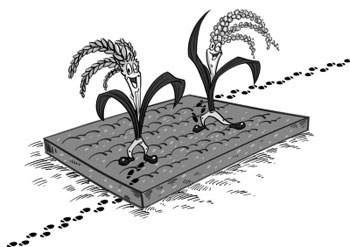
Interplanting mountain rice in oil-tea camellia fields puts 80% of the empty space to use
Planting mountain rice in oil-tea camellia fields puts 80% of the empty space to use
-

Innovative rice planting model, with crabs and ducks frolicking in the fields
Innovative rice planting: crabs and ducks frolic in the paddy fields
-
Northeast young man builds full industry chain for germinated rice, strikes gold in the paddy fields
Building a full industry chain for germinated rice: a young man from Northeast China "strikes gold" in the paddy fields
-
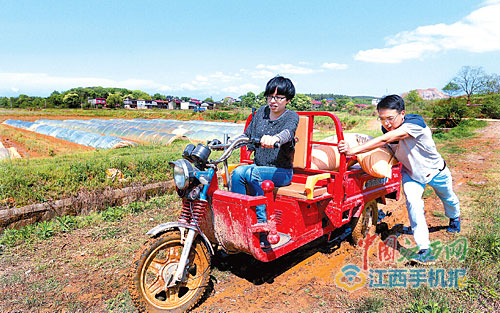
In the rice fields, she does not fear mud on her skirt; her favorite time is when the scent of rice flowers drifts
Not afraid of clothes and skirt covered in mud, her favorite is the scent of rice flowers in the fields
-
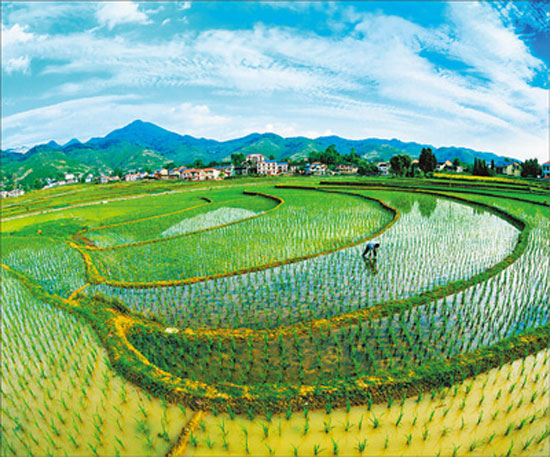
In early summer, rice turns green in the mountain town, and the reflections in the fields are as beautiful as a painting
Early summer reflections in the fields: rice turns green in the mountain town
-
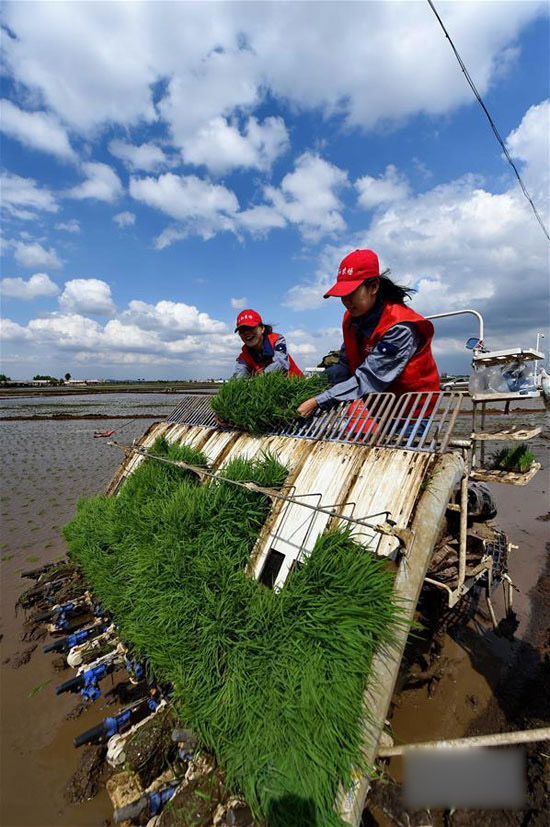
Sisters who gave up high salaries to grow organic rice blossom in the fields
They gave up high salaries to grow organic rice: the "sister flowers" bloom in the fields
-
Chen Kaiyan: Sowing New Hope for Selenium-Enriched Rice in the Green Fields
Chen Kaiyan: Sowing "Se" Hope in the Green Fields
-
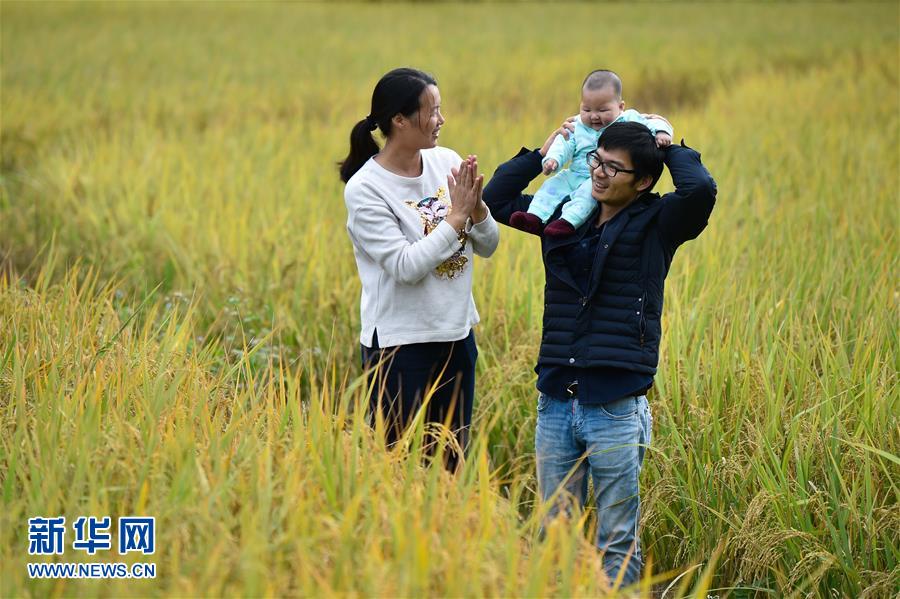
Post-80s Rice Couple Welcomes Harvest Season in Golden Fields
In the Golden Fields: The Harvest of a "Post-80s" "Rice Couple"
-
Detailed Explanation of Button Mushroom Cultivation Techniques in Rice Fields (Part 5)
V. Integrated Pest and Disease Control. Integrated pest and disease control should adhere to the principle of prevention first, with prevention being more important than treatment, and to the principle of combining agricultural control, physical control, biological and ecological control, and chemical control. The use of highly toxic and high-residue pesticides must be eliminated, and no pesticides should be used during the mushroom harvesting period. Diseases and deformed mushrooms caused by environmental factors or improper technical management (such as red-foot mushrooms, landmine mushrooms, big-ball mushrooms, scaly mushrooms, etc.), as well as weed fungi (such as Coprinus mushrooms, etc.), should be controlled primarily through integrated measures. Main measures: First, the compost formula must be accurate, and the material
-
Detailed Explanation of Agaricus bisporus Cultivation Technology in Rice Fields
Cultivating Agaricus bisporus in rice fields is a "rice-mushroom-rice" cropping model in which, after the rice harvest, compost is spread directly on the rice field for spawning and casing soil cultivation to produce mushrooms. After the rice is harvested, the rice straw is dried on site, composted and fermented on site to make the growing substrate, and cultivated on site, with management provided by grass curtains, small plastic tunnel shelters, or plastic greenhouses, eliminating the need to build mushroom houses and transport raw materials, thus greatly reducing production costs. In addition, rotating the cultivated field each year can effectively control pests and diseases, enabling the mushroom products to meet pollution-free quality requirements. In addition
条件筛选