-
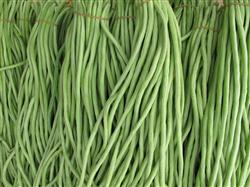
How to keep green beans fresh and preserve them? A few practical methods to teach you
How do you keep green beans fresh and preserve them? How can green beans be preserved well? Please provide an introduction to methods. If you want to keep green beans fresh for a long time, you can refer to the following methods: 1. Bag storage method: first lay the green beans row by row flat in a basket or wooden box, leaving a certain gap in between, and do not pack them too tightly. Then move them into...
-

How to Preserve Ganba Fungus? A Detailed Guide to Practical Preservation Methods
How to Preserve Ganba Fungus?
-
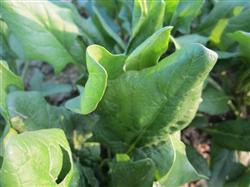
How to overwinter and preserve autumn spinach seedlings? A full analysis of the key technical points
Autumn spinach is an overwintering vegetable sown in autumn and harvested in spring. It begins overwintering at the end of November and turns green again in early March of the following year, a period lasting more than 100 days. Therefore, under long-term low-temperature and dry conditions, how to ensure safe overwintering is the key to achieving a bumper harvest. 1. Water the freezing water well. Watering the freezing water must achieve "one determination" and "two suitability...
-

How to Store and Preserve Garlic Scapes for Freshness? A Detailed Guide to Practical Techniques
Garlic scapes are nutritious, with a crude protein content of about 10% and sugar 8%. Each 100 grams of garlic scapes contains 20-30 mg of vitamin C, 20 mg of calcium, 45 mg of phosphorus, and 1 mg of iron. In addition, garlic scapes are also rich in allicin. Therefore, they are deeply welcomed by consumers. I. Storage Characteristics and Varieties Garlic scapes are the young flower stems of garlic. After harvest, metabolism is vigorous, the surface of the scape lacks protective tissue, and the temperature at harvest is high, so they are prone to water loss, aging, and rot. The garlic scapes turn yellow and
-
How to Store Garlic by Hanging: Learn to Preserve Garlic by Hanging
In rural areas of China, it is widely practiced to braid garlic into plaits or string it into bunches for hanging storage. (1) Braided storage: after harvesting, dry the garlic in the sun for 2 to 3 days, then braid it immediately. Between summer and autumn, stack or hang it in a temporary shade shed, cold room or ventilated storage facility; in winter, it is best to move it into a ventilated storage facility to avoid moisture and freezing. (2) Hanging by string: thread the false stems of the garlic bulbs together with galvanized wire or twine and hang them under the eaves at the front and back of the house, or first tie the garlic bulbs into small bunches of 8 to 10 each, then string them in neat rows
-
Detailed Explanation of the Processing Technology and Production Method of Preserved Plum Ginger
Fresh ginger generally only has a spicy ginger taste and ginger flavor. This product, preserved plum ginger, adds preserved plum flavor to the ginger raw material and belongs to the category of preserved fruit foods. The processing technology is as follows: 1. Raw material: The raw material used for this type of preserved fruit product is semi-finished salted ginger base. 2. Desalting: Soak the salted base in a large amount of clean water and change the water as needed. If flowing water is used, the desalting effect is faster, and it can be used where there is an adequate water source. The degree of desalting depends on the need; generally, leaving about 2% salt in the raw material is sufficient. 3
-
Processing Method for Low-Sugar Sweet Potato Preserves
1. Raw material selection: Sweet potato varieties are classified into many types, such as those with good sweetness and those with high starch content, and the colors of the skin and flesh vary widely, such as red, white, yellow, purple, gray, etc. For processing sweet potato preserves, varieties with high starch content and low moisture should be selected, especially fresh, smooth, plump sweet potato tubers free of insect damage and rotten skin, with yellow-fleshed or red-fleshed varieties being preferred. 2. Washing and peeling: Rinse the selected tubers clean with water, peel off the skin with a stainless steel knife, and cut into 5 cm thick slices. To
-
Processing Method and Production Steps for Garlic Preserves
Garlic is an indispensable condiment in people's daily lives. It is rich in nutrients and can aid digestion, dispel cold phlegm, invigorate yang qi, and neutralize water toxins, among other benefits, and has high dietary therapeutic value. The processing technique for garlic preserves is as follows: 1. Material selection: Select mature, dry garlic with no insect damage, no mold, and with intact garlic skin. 2. Separation and removal of inner skin: Process the selected garlic heads into individual cloves, removing the outer skin and the garlic column. 3. Rinsing: Pour the garlic cloves into a large vat and soak them in clean water. The rinsing time is 6
条件筛选