-
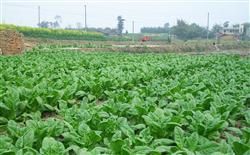
How to use plant regulators well? Correct usage is the key
What should be noted when using plant growth regulators in vegetable fields? How should they be applied? When growing vegetables and using plant growth regulators, note the following points: 1. Pay attention to the scope of application. PCPA (4-CPA) can be fully and effectively applied for flower dipping on solanaceous vegetables, but if sprayed on cucumber, green pepper or kidney bean, it will cause young tender tissues and leaves...
-
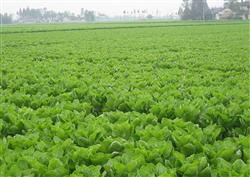
What types of plant growth regulators are there?
What should be noted when using plant growth regulators on vegetables? I would like to ask for advice. The use of plant growth regulators on vegetables is already very widespread and has brought considerable benefits to vegetable growers, but some vegetable growers rely too heavily on plant growth regulators, arbitrarily increasing the dosage and raising the concentration, causing phytotoxicity and unnecessary losses. To avoid...
-
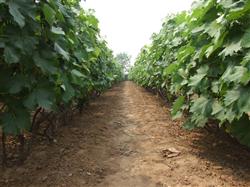
Precautions for Using Plant Growth Regulators on Fruit Trees
What should be noted when applying plant growth regulators to fruit trees? Plant growth regulators are synthetic organic compounds that promote, inhibit or otherwise alter a specific growth process in plants. Although they are trace substances, they can produce noticeable effects. But improper use often backfires, while rational use...
-

How to apply plant growth regulators to fruits and vegetables
Scientific and rational use of several plant growth regulators can effectively control the growth of fruit trees and vegetables at different stages, improve their quality and yield, and increase economic benefits. 1. Ethephon 1. Physical and chemical properties. The pure product is a white crystalline solid, easily soluble in water and ethanol, poorly soluble in benzene and dichloroethane, and in acidic solution...
-
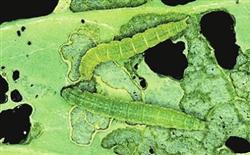
Insect growth regulators can be used for diamondback moth control
The appearance of the diamondback moth seriously affects the growth of crops, so pesticides such as insect growth regulators are chosen to completely eliminate it. First, 10.8% pyriproxyfen emulsifiable concentrate can be sprayed as an 800-1500 times dilution; second, 5% chlorfluazuron emulsifiable concentrate 30-60 ml mixed with 30 jin of water can be sprayed; third, 5% emamectin benzoate water-dispersible granules 5 g mixed with 30 jin of water can be spr...
-
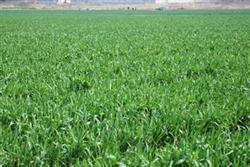
Timely application of regulators to wheat boosts stress resistance and yield
1. Paclobutrazol. At the wheat jointing stage; spray 50 kg of a 200 ppm paclobutrazol solution per mu, which can dwarf the plants, enhance lodging resistance and drought resistance. It can also control powdery mildew and improve the plant's absorption and utilization of nitrogen. 2. Chlormequat. For wheat fields with large populations and vigorous growth, at the wheat jointing stage, use 40-50 kg of a 40-50 ppm solution made from 5% chlormequat aqueous solution per mu...
-
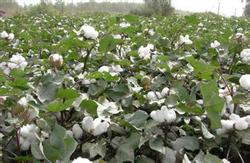
Five precautions for using regulators in cotton fields
1. Pay attention to the scope of application. Cotton fields suitable for plant growth regulators must have good water and fertilizer conditions, and the cotton must show a tendency to excessive growth or already be growing excessively. They must not be used in cotton fields where the climate is dry and irrigation is not possible, where growth is weak, or where growth is inhibited by pests and diseases. 2. Pay attention to the application period. Mepiquat chloride generally...
-
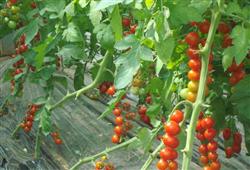
How to use growth regulators on cherry tomatoes? Application differs by type
Cherry tomato varieties fall broadly into two types: one is the indeterminate type, whose top does not terminate and which can keep growing continuously; the other is the determinate type, which automatically terminates after growing a few leaves and continues growing upward via side branches. The management of these two types differs little, but there is a considerable difference in growth regulator application....
-
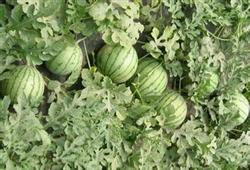
Application of Plant Growth Regulators in Fruit Production
Growth Disorders and Countermeasures - Application of Growth Regulators in Watermelon Growth Regulation: Improving Seed Vigor - Regulating Plant Growth - Improving Fruit Set Rate - Fruit Ripening - Preventing Fruit Cracking - Post-harvest Preservation. Improving Seed Vigor: In winter-spring cultivation of watermelon, low temperatures and poor environmental conditions result in slow and uneven emergence. Using Chinese Academy of Agricultural Sciences...
-
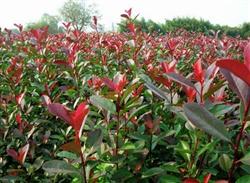
Methods for Using Plant Growth Regulators on Flowers and Trees
Plant growth regulators play important roles in regulating the growth of ornamental plants, preventing excessive leggy growth, promoting rooting, cultivating strong seedlings, controlling sex differentiation, preventing flower and fruit drop, enhancing resistance, and preserving freshness during storage. However, the methods of using different plant growth regulators vary depending on the type of agent, the target plant, the purpose of use, and the plant's growth conditions...
条件筛选