-

Progress made in research on the regulatory mechanism of auxin transport within plant cells
Progress made in research on the regulatory mechanism of auxin transport within plant cells
-
Peach fruit flesh texture regulatory gene revealed by Chinese scientists
Chinese scientists reveal peach fruit flesh texture regulatory gene
-

Food safety must be addressed by deepening the regulatory system and establishing a regulatory platform
Solve food safety problems by deepening the regulatory system and establishing a regulatory platform
-
What to Do About Excessive Cotton Growth Regulator Application? Master These Mitigation Methods
Every year in late July and early August, many cotton farmers in cotton-growing areas report that some cotton plants showed excessive vigor in the earlier stage, and some even tended toward runaway growth, so they applied the plant growth regulator mepiquat chloride. Because they could not get the concentration right, when the spray concentration was too high and they encountered high-temperature weather, the cotton plants showed symptoms of leaves and branches being unable to spread out, and cotton growth was inhibited. Below are several methods to alleviate excessive cotton growth: Spray Huimanfeng active liquid fertilizer. This fertilizer contains chelated humates and multi-element compound fertilizer
-
A Detailed Guide to the Application Methods of Several Chemical Regulators for Cotton
In cotton production, the commonly used chemical regulators include mepiquat chloride, chlormequat, ethephon, triacontanol, chitin, and others. Some of these chemical regulators can shape an ideal plant architecture, forming a high-photosynthetic-efficiency population per unit area; some can promote robust plant growth and reduce the occurrence of pests and diseases; and some have a ripening effect, effectively regulating the maturity period and thereby reducing the harm from disastrous weather. In short, scientifically applying various chemical regulators well in cotton production is beneficial for increasing yield and improving quality. 1. Mepiquat chloride can both reduce cotton plant height and decrease
-

How to apply plant growth regulators on bananas
The primary sources of initial infection for this disease are mainly diseased plants and suckers, as well as susceptible intermediate hosts (such as tomato, pepper, eggplant, tobacco, cowpea and certain weeds). Long-distance spread occurs mainly through virus-carrying suckers, while natural spread in the field is mainly through the cotton aphid and the corn aphid. In addition, this disease can also be transmitted through sap rubbing. Because...
-
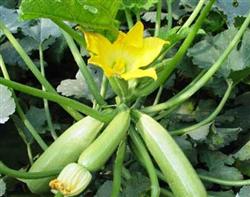
Why should hormone growth regulators not be used to control excessive growth in overwintering zucchini?
For zucchini seedlings, the seedling age should preferably be about 45 days (5 true leaves). Sow seeds at a spacing of 3.3 cm between plants and rows, cover the seeds with about 3 cm of soil, and transplant at a spacing of about 10 cm between plants and rows. For seedbed temperature control, from sowing to emergence, maintain a daytime temperature of 25-28°C and a nighttime temperature of about 12-15°C. After emergence in 3 days, the daytime temperature should be lowered to...
-
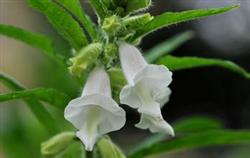
Clever methods of using growth regulators to promote the recovery of sesame
During the flowering and capsule-setting stage of sesame, vegetative growth and reproductive growth proceed together, and the following key points should be mastered in field management. Reasonable topdressing: topdressing at the flowering stage can promote flower bud differentiation in sesame. Methods such as broadcasting nitrogen fertilizer and foliar spraying of phosphorus-potassium fertilizer and boron fertilizer can be used. For fields with good soil fertility retention and supply capacity, applying urea once at the early flowering stage is sufficient,...
-
How to Use Plant Growth Regulators in Flower Cultivation
Growth regulators can control the synthesis or metabolism of hormones within flowering plants, alter the distribution of assimilates, and regulate flower growth and development. Their effects can make flower stems thick and short, leaves dark green, and leaf blades thicker. Because stem growth is inhibited, the stem's competition for nutrients during flower bud initiation is reduced
-
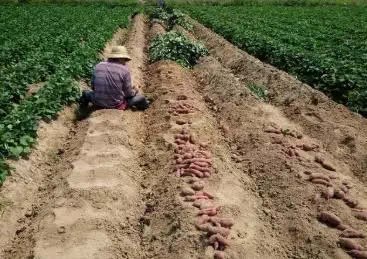
Sweet potato vine turning to control excessive growth not working? Lifting the vines plus a growth regulator is the right answer
When I was little, my family grew sweet potatoes, and we often had to turn the vines under the blazing sun, especially when it rained. After a rain, the first thing we did was hurry out to turn the sweet potato vines. Why turn perfectly good sweet potato vines? Turning sweet potato vines is actually to...
条件筛选