-

How can vegetable prices be regulated in a scientific and reasonable way?
Regulating vegetable prices in a scientific and reasonable way
-
How to regulate temperature when cultivating Gastrodia elata in plains and low mountain areas
The biggest difficulty in cultivating Gastrodia elata in plains and low mountain areas is controlling high temperatures and regulating temperature differences. (1) For indoor cultivation, cold water can be sprayed in the walkways and space, but water must not accumulate at the bottom layer of the Gastrodia elata. At the same time, open the opposing windows facing north and south for ventilation, or use an electric fan to cool down while opening the windows, so that air convection is achieved and the cooling goal is reached. When the temperature is low, close the doors and windows, and make the temperature difference as small as possible. (2) For outdoor cultivation, more broadleaf trees and green vine plants can be planted on the cultivation site, so that the cultivation site is cool and moist.
-
How should the water layer be regulated at different growth stages of shallow-water lotus root?
The suitable water level for shallow-water lotus root is 10-20 cm, and the maximum water depth it can tolerate is 50 cm. In cultivation, the water layer must be well regulated according to the different growth stages of shallow-water lotus root. The general principle of water layer management for shallow-water lotus root is shallow at the front, deep in the middle, and shallow at the back. After planting the lotus root, when the standing leaves appear, maintain a shallow water layer of 4-7 cm to increase soil temperature and promote sprouting. As the stems and leaves grow vigorously, gradually deepen the water layer to 12-15 cm. After the terminal leaves appear, the plant begins to form lotus root, and the water layer is gradually lowered to a depth of 4-7 cm to promote lotus root formation.
-
Can the fat-to-lean ratio of pigs be regulated? The answer is yes.
After nearly ten years of scientific and technological research, scientists in China have discovered the mechanism of differentiation and regulation of pork fat cells, achieving a major breakthrough in research on using biotechnology to control the fat content of pork. The study adopted a variety of techniques such as cell biology and molecular biology to measure and analyze the growth and development of fat cells, adipose tissue metabolism and related genes among different pig breeds, and obtained a series of research results. This major achievement recently passed the appraisal organized by the Ministry of Education.
-
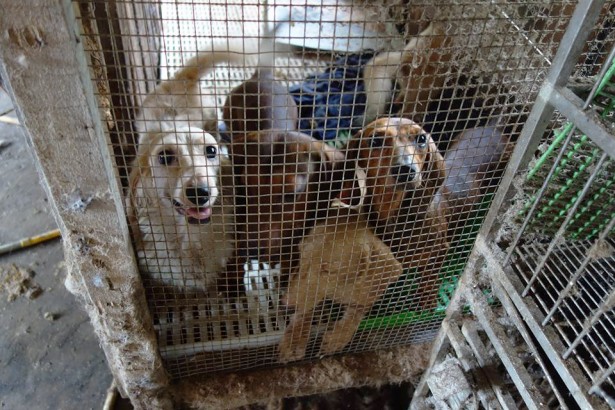
Why can't stray dogs ever be fully rescued? Breeding farms are like purgatory, and the source is unregulated
Dog breeding farms are like purgatory, the source is unregulated, stray dogs can never be fully rescued
-
Spraying potato plants with paclobutrazol helps regulate crop growth
Deformed potato tubers are mainly caused during the tuber enlargement stage by adverse conditions such as high temperature and drought, which inhibit the growth of the expanding tubers and temporarily halt their growth. Later, due to rainfall or irrigation, the growing conditions are restored, and the tubers resume growth accordingly. At this point, the organic nutrients entering the tubers, at the buds with strong physiological activity...
-
How should the pig-rearing methods and conditions of farmers in our country be regulated?
How should the pig-rearing methods and conditions of farmers in our country be regulated?
-
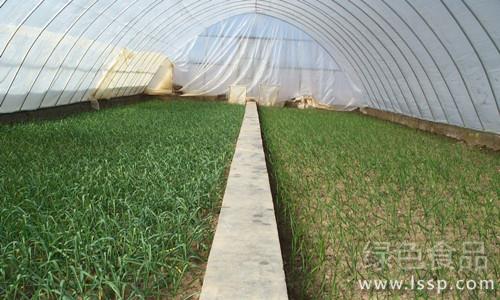
Garlic sprout cultivation techniques in winter greenhouses help regulate off-season vegetable supply
Regulating off-season vegetable supply: winter greenhouse garlic sprout cultivation techniques
-
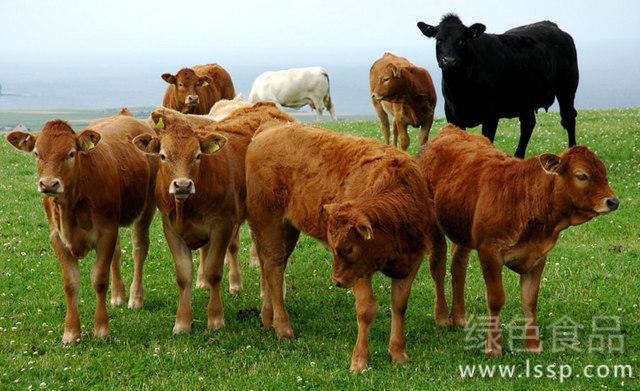
Poor appetite in beef cattle: how to regulate it? Finding the cause is key
How to regulate poor appetite in beef cattle: finding the cause is key
-
How do you properly regulate and control the temperature of the brooding house in free-range chicken farming?
In free-range chicken farming, pay attention to properly regulating and controlling the temperature of the brooding house
条件筛选