Poor appetite in beef cattle: how to regulate it? Finding the cause is key
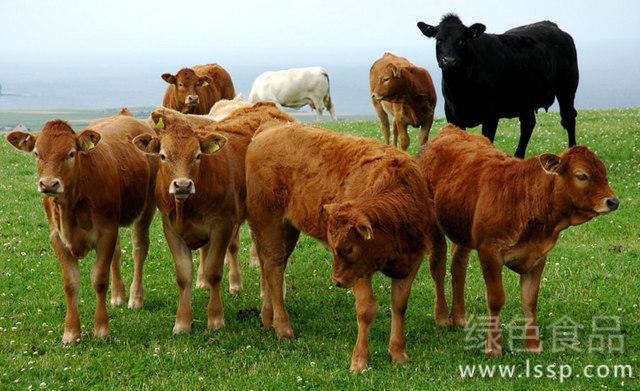
Beef cattle farming
There are many causes of poor appetite in beef cattle, and comprehensive measures should be taken to regulate it.
1. Deworming. For cattle that are thin and have a poor appetite, deworming must come first. Administering 0.1% Xuweijia and albendazole at the same time can expel nematodes, worms, flukes, tapeworms and so on from the cattle's body; repeat Xuweijia once after 7 days, which can also expel external parasites. Adding monensin to the feed not only improves feed conversion but also has a clear anti-coccidial effect.
2. Rumen magnet removal. Cattle eat rather coarsely, and wire, iron nails and the like in the forage easily enter the rumen and sink into the reticulum, causing trauma to the reticulum and affecting the cattle's appetite, so rumen magnet removal should be carried out regularly.
3. Eliminate gastrointestinal inflammation. Many factors can cause superficial gastroenteritis in cattle, and affected cattle often show poor appetite and soft, loose manure. For anti-inflammatory treatment, sulfaguanidine is commonly given by drench or mixed into the feed and fed for 2 to 3 consecutive days.
4. Strengthen the stomach and regulate the intestines, and adjust function. Use microecological preparations to increase beneficial bacteria: feeding microecological preparations such as Yikang XP and Jiebang EME can rapidly increase the number of beneficial microorganisms in the cattle's stomach and intestines and secrete beneficial substances, improving immunity. Use medication for treatment: for cattle with food stagnation and indigestion, drench Jianwei San, 250 to 500 grams per head each time, mixed with boiling water, and given after it cools to lukewarm, 1 to 2 times a day for 3 consecutive days; for cattle with nasal mucus discharge and cold painful stomach, drench Wenpi San, using the same method as above; for constipated cattle, drench 300 milliliters of vegetable oil daily for 2 to 3 consecutive times, and add an appropriate amount of artificial salt to the drinking water.
5. Formulate feed rationally. Low-quality roughage such as wheat straw and rice straw can be treated by ammoniation or micro-storage, and harder forage such as soybean straw should be crushed with a straw crusher. When mixing concentrate feed, pay attention to adding salt, trace elements and vitamins, and use additives of trustworthy quality.
6. Scientific feeding. During treatment and regulation of beef cattle, the available roughage can be fed, and concentrate feed should be increased gradually. Each feeding should only be to 80% fullness. Straw rinsed with water and then fed is easy for cattle to eat and digest, and impurities can be removed. Straw that has undergone ammoniation, micro-storage or silage must not be rinsed with water. For cattle that drink little water, part of the concentrate feed can be boiled in water and made into a thin porridge to entice the cattle to drink a large amount of water. Cattle's intake of hay need not be restricted; let them drink as much water as possible so that their shrunken gastrointestinal tract gradually returns to normal.