-
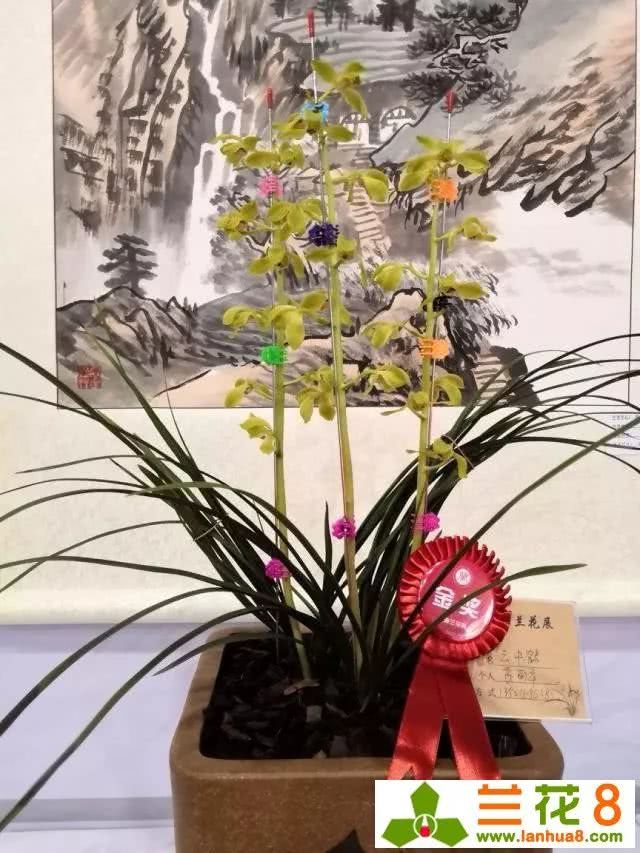
What are some practical methods for selecting fine flowers when breeding wild orchids?
Promote Chinese orchid culture, spread orchid knowledge. Selecting from the flower: late winter and early spring is the flowering period for most orchids, and also the golden season for buying orchids. Orchid lovers can judge the quality of an orchid by its flowers. When making a specific selection, pay attention to choosing petals...
-
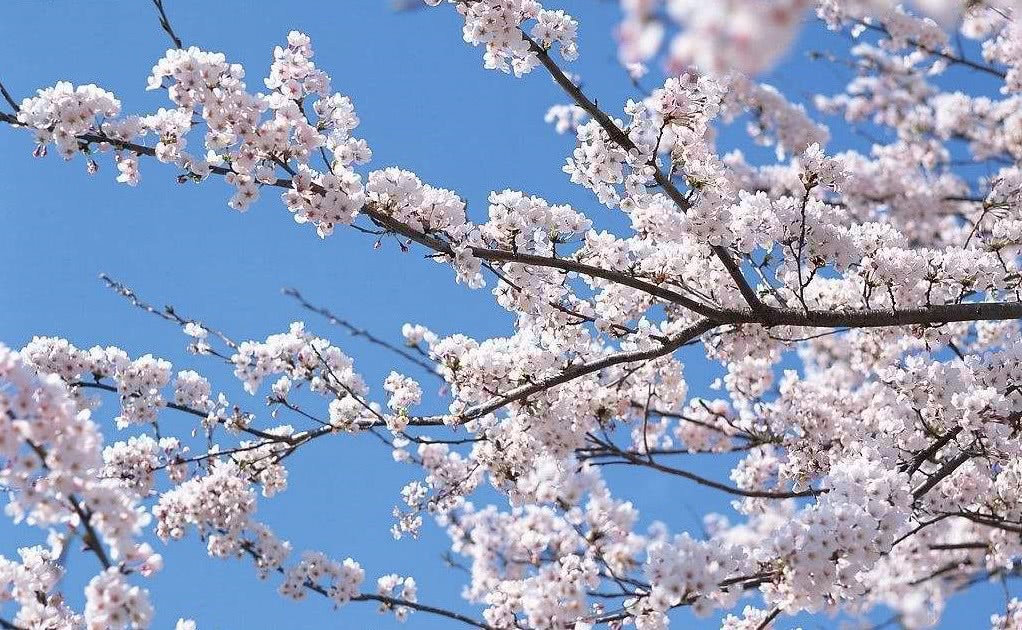
Why is the apricot blossom regarded as a symbol of exuberance and freedom?
Apricot blossom, also known as apricot, is a plant of the genus Prunus in the subfamily Prunoideae; both its flesh and its kernel are edible. The apricot blossom is solitary, opening before the leaves, with white petals or petals tinged with a slight red blush, and it is a famous ornamental tree in China. Apricots can be planted in front of courtyards, in wall corners, beside roads...
-

Six Key Elements to Master in Orchid Breeding and Selection
Promote Chinese orchid culture, spread orchid knowledge. 1. Flower shape: whether it is a true flower, whether there is falseness; when we see petal flowers on the mountain (or at a roadside stall), we must carefully distinguish them. If the flower is shrunken, thin, soft, shriveled, dim and lusterless, not spread out, not upright...
-
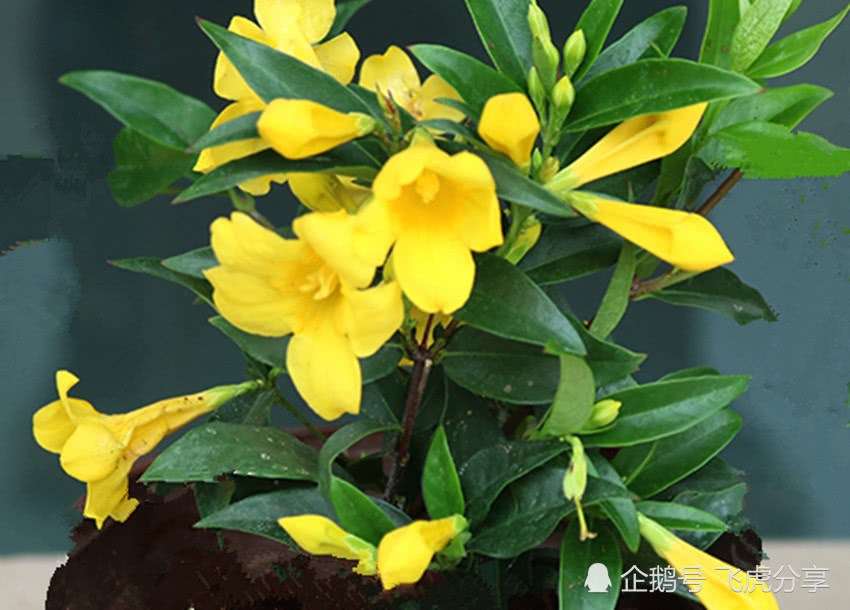
Use these three things for growing flowers: they won't burn the roots or breed pests, and the plants grow especially vigorously
Many people like to use quick-acting fertilizers or nutrient solutions and the like when growing flowers. Although these can provide plenty of nutrients for the plants, long-term use is not good for their growth. They can also make the potting soil compact. In fact, in our daily life...
-
Reed has so many alternative names, how many do you know?
"Thick grow the reeds, the white dew turns to frost." The jianjia described in the Book of Songs is the reed. Reed is a tall perennial aquatic or hygrophytic grass, generally found beside irrigation ditches and on riverbank marshes, and it grows all over the world. The reed's stems stand upright, the plants are tall, swaying in the wind, full of wild charm.
-
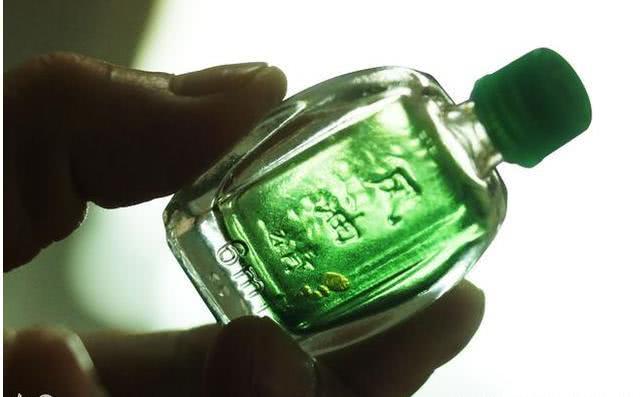
Are gnats always breeding in your flower pots? Add 2 drops of this when watering to say goodbye to the nuisance of tiny bugs
Essential balm is a must-have remedy for home and travel, working wonders on everyday headaches, slight fevers, and mosquito bites. But it also has certain uses in growing flowers. Do you know how to use it? The weather is getting more and more muggy now, and the flower pots...
-
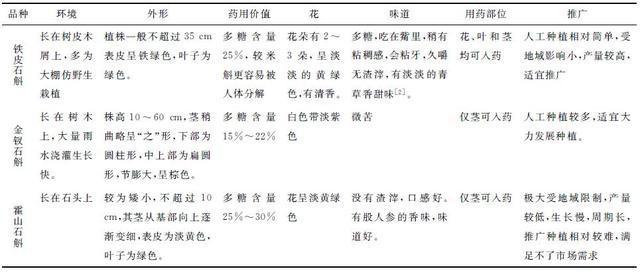
Detailed Explanation of Dendrobium officinale Seedling Breeding Methods and Cultivation Techniques
Seedling Breeding and Cultivation Techniques of Dendrobium officinale. Dendrobium officinale is the finest among Dendrobium species, praised by physicians and medical classics through the ages, commonly known among the people as the "life-saving immortal herb," a national second-class protected plant, and one of China's important forest medicinal resources...
-
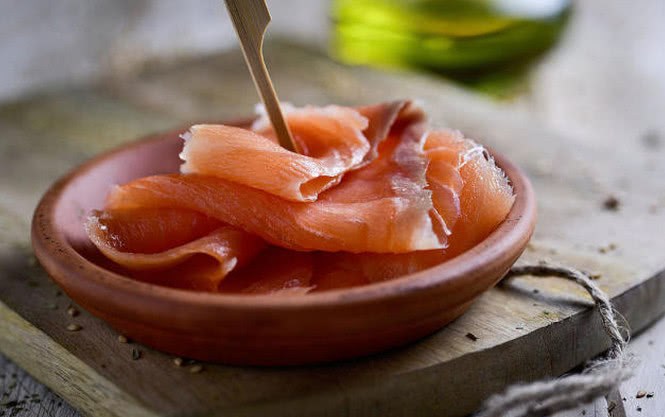
Fake salmon is actually a breeding ground for parasites - you must learn to tell the real from the fake
In the past couple of days, a news article about salmon has exploded online. The article states that one third of the salmon on the Chinese market is "claimed" by the Qinghai-Tibet Plateau. But what the article refers to is not...
-
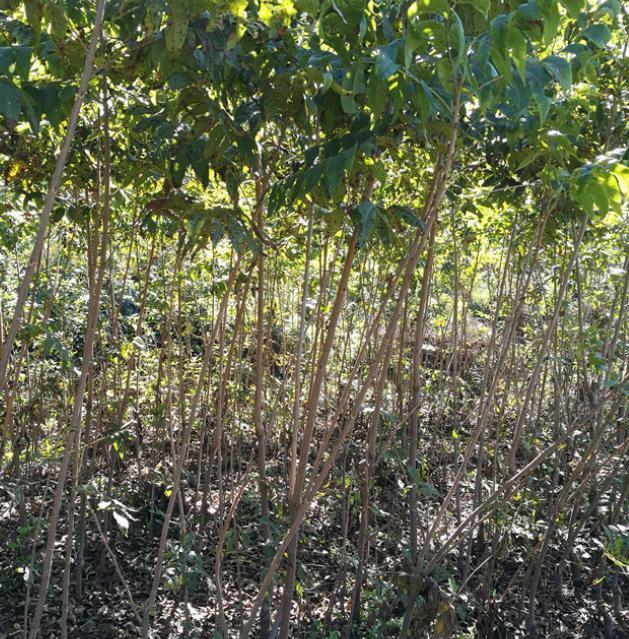
Detailed Explanation of Pecan Breeding and Pollinator Cultivar Configuration Techniques
Pecan Breeding and Pollinator Cultivar Configuration Techniques 1 Seed Warming and Germination Promotion Techniques After pecan fruits mature, the husk splits open on its own and the seeds fall out naturally. When the outer husk turns from green to yellow-brown and begins to split slightly, harvest should be done promptly, generally from mid-October to early November. After collection, the fruits should be piled indoors promptly; once most fruits have split open, remove the seeds, spread them out to air-dry for 3-5 d, then store them indoors in damp sand or place them in cold storage. Before spring sowing, carry out germination promotion treatment on the seeds.
-
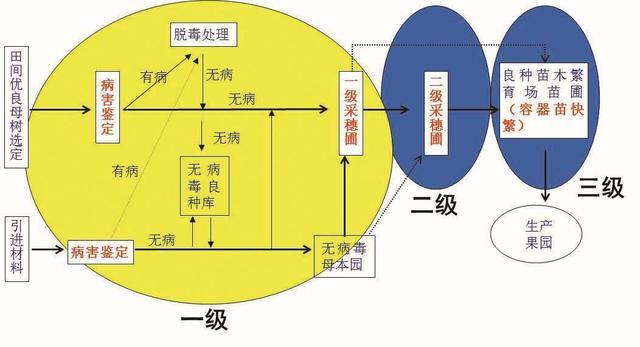
Detailed Explanation of Virus-Free Container Seedling Breeding Technology for Superior Citrus Varieties
Virus-Free Container Seedling Breeding Technology for Superior Citrus Varieties 1 Three-Level Virus-Free Breeding System for Superior Citrus Varieties The three-level virus-free breeding system for superior citrus varieties is the foundation of virus-free seedling breeding (Figure 1). The first level is the technical core, which renders superior variety resources from home and abroad virus-free, and establishes a virus-free superior variety preservation bank, mother tree orchard and first-level scion orchard; the second level is the second-level scion orchard, an important link in propagation; the third level comprises superior variety seedling breeding nurseries in various locations. This system is fully functional, established by levels, and exists independently, ensuring the safety of materials at each link and giving the breeding and promotion speed a three-level amplification effect; it has made innovative progress in disease detection efficiency, seedling quality, safeguard mechanisms, promotion models and other aspects, and is a model of citrus seedling breeding technology in China; at the same time, it implements standards and technical requirements such as the National Standard of the People's Republic of China "Citrus Grafted Seedlings", the agricultural industry standard "Code of Practice for Virus-Free Citrus Seedling Breeding" and "Technical Code for Virus Elimination of Citrus Seedlings".
条件筛选