-
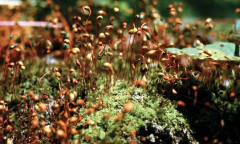
Red-fruited moss is a common species of bryophyte; what are its main characteristics?
Red-fruited moss is a type of moss plant. This bryophyte is named red-fruited moss mainly because its leaves are red. So what characteristics does it have? Would you like to learn about them? Let's take a look together. The mosses in the genus of red-fruited moss number about
-
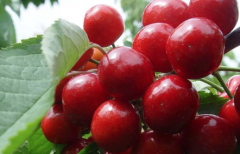
Red Lantern cherry variety characteristics and cultivation techniques: can little-leaf disease be cured?
Do you like eating cherries? This fruit has quite a lot of varieties, so how many cherry varieties do you know? If you want to grow cherries, you can do it, and the cultivation methods for cherries are relatively simple. Let's take a look at the characteristics of the Red Lantern variety! Characteristics of the Red Lantern variety
-

What should be sprayed when red lettuce stems are not thick?
Red lettuce is also lettuce, with the edges of the heart leaves slightly red, purplish-red patches where the leaf stalks attach, a long conical stem, and green stem flesh. Its aboveground stem is for eating, and if it is not grown well, the stem may not be thick. So, what should be sprayed when red lettuce is not thick? 1. Red lettuce not
-
Can red leaf lettuce be eaten raw? Things to know about consumption precautions
Lettuce is also one of the very important vegetables in modern life, and lettuce is a widely used ingredient in people's cooking. It can not only be eaten directly as a main dish, but can also be used as a side dish, snack, and so on. There are also many types of lettuce, among which red
-
Is the red-leaf plum an evergreen tree or a deciduous tree?
The red-leaf plum, whose scientific name is Prunus cerasifera f. atropurpurea (purple-leaf plum). It originated mainly in southwestern Asia and is widely planted in northern China and the regions to its south. So do you know whether the red-leaf plum is evergreen or deciduous? Let's take a look! 1. Is the red-leaf plum evergreen or deciduous? The red-leaf plum is a deciduous small
-
How to plant redleaf plum? Detailed planting methods and techniques
Abstract Grafting method: carried out before spring bud break, rootstock can use wild peach, plum, plum, peach, apricot, etc. Layering method: select healthy branches, peel off a ring of bark 15-30cm below the top, cut a suitably sized piece of plastic film, place moist garden soil on it,
-
How to Grow Red-Leaf Rohdea? Detailed Guide to Growing Methods and Tips
Summary Potting soil: For red-leaf Rohdea (Rohdea japonica), you can use leaf mold, garden soil and river sand mixed with a small amount of decomposed base fertilizer in a certain ratio to make the growing medium, and repot once every spring. Temperature: The optimal growing temperature is 15-18°C, and it must not go below 5°C. Light: It prefers a semi-shaded environment and should not
-
How to Propagate the Succulent White-Flowered Dwarf Stonecrop by Leaf Cuttings and Tips for Growing It into a Full Pot
Leaf cuttings are the simplest and most convenient way to propagate succulents. Once a single leaf takes root and sprouts, it can quickly replicate a new individual, and this is exactly what makes succulents so remarkable and extraordinary. The succulent white-flowered dwarf stonecrop can of course also use leaf cuttings
-
Causes and Solutions for White-Flowered Sedum hintonii Losing Leaves and Its Leaves Wilting
For succulent plants to drop leaves is, in the eyes of the devoted parents of these fleshy babies, a very serious matter, just like their own child falling ill. But in fact, succulents dropping leaves is a very common thing and belongs to normal metabolism. However, you must
-
How to Grow Red Leaf Lettuce? A Detailed Guide to the Key Growing Techniques
When it comes to red leaf lettuce, quite a few people are probably unfamiliar with it, since it is relatively rare in daily life. Red leaf lettuce is actually a variety of lettuce, named for its purple leaves; it can be eaten raw or stir-fried, and there are many ways to enjoy it. So do you know how
条件筛选