-
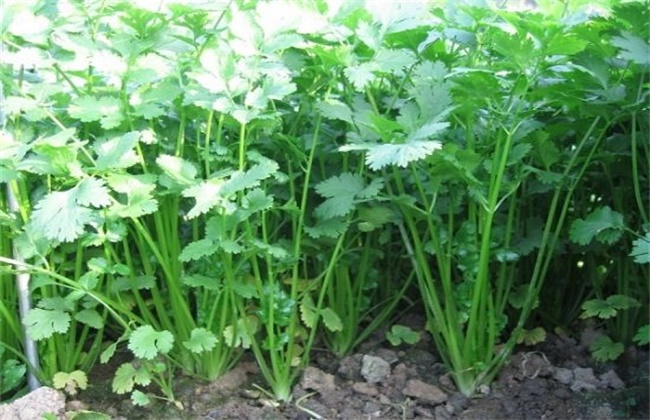
What vegetables are suitable for planting around Frost's Descent? Here are the planting recommendations
What vegetables are good to plant around Frost's Descent
-
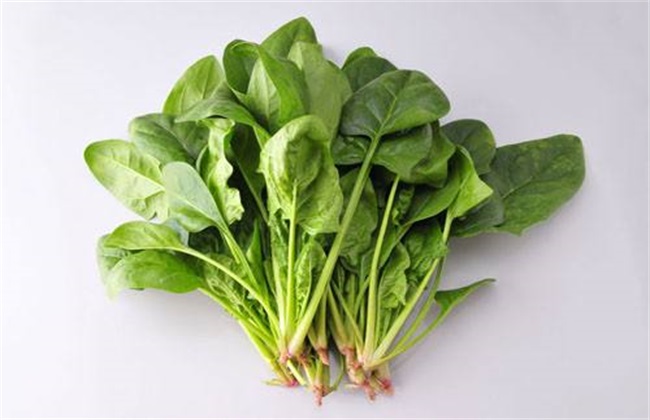
What vegetables are suitable for planting in autumn? Recommendations for seasonal varieties
What vegetables to plant in autumn
-

Recommendations for the Occurrence and Control of Pests and Diseases in Winter Potatoes
In recent years, the potato planting area in our city has been continuously expanding, and various potato pests and diseases have been occurring in succession, seriously affecting potato yield and quality. It is currently the potato growing season. According to recent surveys conducted by our station and the Huidong station in Tieyong, Renshan and other places, the main pests and diseases occurring in winter potatoes in our city include: potato bacterial wilt, blackleg, late blight, viral diseases, as well as underground pests and aphids. All localities should strengthen surveys, and in particular, do a good job in controlling soil-borne diseases of potatoes. I. Occurrence of Pests and Diseases
-
How to manage garlic in the mid-to-late stages? 2011 production management recommendations for Midu County
At present, the garlic planted in Midu County has entered a period of rapid growth, and early-maturing varieties have entered the bolting stage. In view of the characteristics of garlic cultivation in Midu County and in light of this year's climatic conditions, we should focus on strengthening mid- and late-stage field management. Taking into account the characteristics of excessive rainfall at sowing time in September-October last year, soil compaction, and poor quality of spot sowing, and based on the county's conditions, we should apply fertilizer reasonably, carry out shallow tillage and weed control, and carry out timely pest and disease control focused mainly on leaf blight, so as to ensure a stable yield and bumper harvest of garlic this year. 1. Timely shallow tillage and weed control. As temperatures gradually rise, conditions are relatively favorable for weeds in garlic fields
-
Technical Recommendations for Mid-to-Late Stage Rice Management in Arid Regions
The perennial rice planting area in Qina Town, Yongsheng County is 16,000 mu. As of June 6, the entire town has achieved full transplanting by relying on reservoir water storage and water lifted from Chenghai Lake for irrigation. However, due to the historically rare drought from September last year to July 19 this year, rice seedlings in parts of the town with no water sources and no mechanical wells have withered, and even areas with small water sources and mechanical wells for pumping irrigation find it difficult to guarantee timely irrigation, resulting in insufficient rice tillering. In response, the following management measures are recommended for mid-to-late stage rice management across the town. 1. Adapt measures to local conditions, implement
-
Which rice fungicide is good? Recommendations for low-cost, high-efficiency pesticides
Spend 20 yuan, get back 50 yuan. Would you take such a good deal? Last year, large grain growers in Shaoxing, Anji and other places tasted this sweet success after using "Aimiao" when growing rice, with rice yields generally increasing by about 10%. Right now is the pesticide application season for early rice, and they are busy selecting this high-return new pesticide to apply to rice. It is understood that 30% Aimiao emulsifiable concentrate is a new type of fungicide launched by Syngenta Crop Protection of Switzerland that can both prevent and control rice diseases and regulate rice growth. This pesticide works against rice sheath
-
Occurrence of wheat and barley sheath blight and control recommendations
According to surveys by the forecasting stations of each county (city, district), wheat and barley sheath blight has now occurred widely and will enter the peak damage stage. All localities must seize the appropriate timing and promptly organize the broad masses of farmers to carry out control. I. Occurrence situation and trend analysis The characteristics of wheat and barley sheath blight occurrence this year: First, the occurrence period is normal. Due to the low temperatures last winter and this spring, wheat seedlings grew weakly, which was unfavorable for the occurrence of wheat and barley sheath blight. The earliest detection in the whole city was in Xiangshui in early mid-February, and large areas were detected in late February and early March. Second, the general incidence rate and
-
How to control pests and weeds in single-season rice seedling fields? Here are the control recommendations
I. Weed control in seedling fields 1. Weed control before plowing: 7-10 days before plowing the seedling bed, use 41% glyphosate 150 ml/mu or 10% glyphosate 1000 ml/mu diluted in 30 kg of water for fine spraying to control old weeds before sowing. 2. Weed control after sowing: ① 1-2 days after sowing germinated seeds, use 17.2% bensulfuron-methyl and piperophos wettable powder (Youhebao) 210 g/mu diluted in 45 kg of water for fine spraying. ② At the needle-standing stage of seedlings, use 40% bensulfuron-methyl and pretilachlor wettable
-
Control recommendations for the fourth generation of white-backed planthopper in rice issued, please carry out timely prevention and control
For the pesticide, use 40% chlorpyrifos (Xinnongbao, Saiben) 100 ml/mu plus 25% buprofezin (Puhsiling) 50 g/mu plus 5% jinggangmycin 200 ml/mu (or 30% Aimiao 15 ml/mu), mix with 30 kg of water for fine spraying.
-
Key Technical Points and Recommendations for Mid-Season Field Management of Sweet Potato
In recent years, farmers have often reported that after the sweet potato seedlings they cultivated were transplanted into the field, the leaves turned yellow and wrinkled, and the plants grew very slowly, or in rural colloquial terms, "died without growing." Such potato vines basically produce no yield later on. According to investigation, the main cause is severe occurrence of sweet potato virus disease. Sweet potato virus disease is a common disease of sweet potato...
条件筛选