-

Song Zuer's recent photos leak, her side profile looks strikingly like Cecilia Cheung, but she got questioned for not wearing pants
Song Zuer's recent photos have leaked, her side profile looks strikingly like Cecilia Cheung herself, but she was questioned for not wearing pants? Whether they are current celebrities or child stars, wherever a celebrity appears, everyone pays attention, after all, today's celebrities are either especially handsome or especially beautiful...
-

Why do people who love each other break up? This is a difficult question that many people search for an answer to in vain.
The vows of eternal love still ring in their ears, the promise of holding hands as husband and wife seems like only yesterday, so how did everything change in the blink of an eye? Taylor Myers, a 25-year-old poet, wrote a few passages on the social media platform Tumblr, openly revealing her fear of love, ...
-

Spring Care Methods for Pennywort and Answers to Common Questions
Pennywort is a herbaceous plant in the Apiaceae family, with round, large leaves that stay green and vibrant for most of the year. In early spring, how should you care for pennywort? And how should you manage it afterward so it grows well and thrives?
-

-
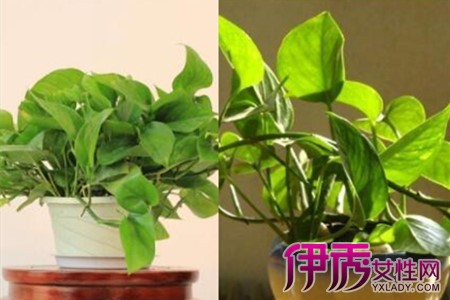
Is Pothos Toxic? A Floristry Master Answers Your Cultivation Questions
Pothos is an indoor ornamental plant beloved in households everywhere. Especially in newly renovated interiors, pothos is generally used to absorb harmful substances, but is the pothos that has absorbed them toxic? Can it still be kept on display? Below, the editor analyzes this for you.
-
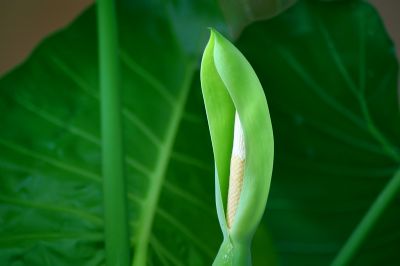
How to Grow Alocasia (Dumb Cane Elephant Ear)? 8 Common Cultivation Questions Explained
Alocasia (Alocasia macrorrhizos) is a common indoor plant, a perennial herbaceous plant. Its stem is fairly thick and sturdy, and it has a noticeable effect on removing dust. People in Guangdong call Alocasia "wolf's bane". The reason is that Alocasia is toxic, so if there are children at home and you want to grow Alocasia, you need to be especially careful.
-

Answers to Key Questions on Tea Tree Mushroom Cultivation Techniques
Tea tree mushroom, also known as the tea tree mushroom (Agrocybe aegerita), is a rare mushroom variety newly developed in recent years and well received in domestic and international markets, becoming a highlight among varieties promoted for cultivation in various regions. Gutian County, Fujian Province alone reaches an annual cultivation volume of 100 million bags. Because the cultivation history of the tea tree mushroom is short, production management lacks standardization, and both the mycelium and fruiting bodies of this mushroom contain an almond-like fragrance, pests and diseases are relatively numerous, resulting in substandard yields, declining quality, and excessive pesticide residues in products, directly affecting economic benefits and the sustainable development of the industry. With the implementation of the national "Law on the Quality and Safety of Agricultural Products" and
-
Thirteen Questions on Disease Prevention and Control in Raccoon Dogs: A Q&A on Disease Prevention and Control Knowledge for Raccoon Dog Farming
1. What causes large numbers of raccoon dogs to have diarrhea? How can it be prevented and treated? Answer: When diarrhea occurs in a large number of raccoon dogs in a breeding group, the first thing to consider is the feed: Has the feed become moldy or spoiled? Has the animal feed spoiled? Have the grain feeds been stored too long? Is the salt content too high? Has the grain feed been insufficiently cooked or processed? All of the above situations can cause diarrhea in large numbers of raccoon dogs. Prevention and treatment require addressing the above problems, and at the same time feeding gentamicin, norfloxacin, chloramphenicol, oxytetracycline, sulfonamides and other drugs all have a certain therapeutic
-
Frequently Asked Questions About Gardnerella Infection in Foxes, Mink and Raccoon Dogs
1 How do you determine that a fur animal has contracted an infectious disease? Answer: (1) Infectious diseases are all caused by pathogenic microorganisms, and each infectious disease has its own specific pathogenic microorganism. For example, canine distemper is caused by infection with canine distemper virus of the Paramyxoviridae family, fox encephalitis is caused by infection with canine adenovirus, and Aleutian disease of mink is caused by infection with Aleutian virus of the Parvoviridae family. Pasteurellosis is caused by infection with Pasteurella multocida, and this must be confirmed through pathogen isolation and identification, immunological diagnostic methods, and so on. (2) Infectious diseases are contagious and epidemic.
-
How to Choose a Yew Variety? Frequently Asked Questions
Currently, Chinese yews are divided into 3 species and 2 varieties, plus a recently introduced new species - the Taxus media. General classification characteristics of the Taxus genus: We generally classify yews mainly based on external morphological features (including leaf shape, leaf length, leaf width, leaf color), seed morphology, and anatomical features of the leaves. Rechard also said that the classification of yews must rely on morphology, anatomy, geographic distribution, and comprehensive studies of depth and diameter, but also said that even so, it cannot completely solve the classification problem
条件筛选