-
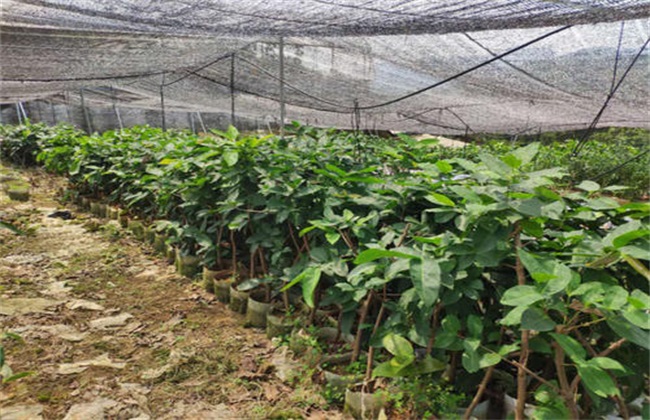
Detailed Explanation of Key Techniques for Protected Cultivation of Wax Apple
Key Points of Protected Cultivation of Wax Apple
-
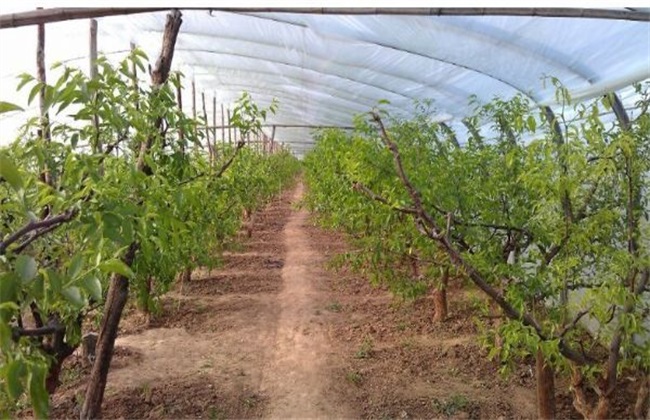
What are the fruit tree protected cultivation models?
How many models of protected cultivation are there for fruit trees?
-
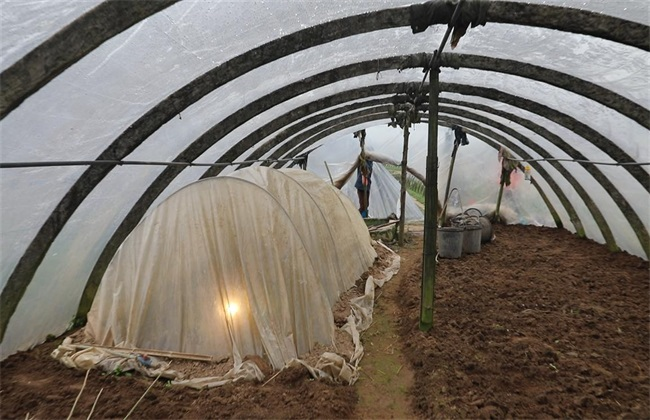
Detailed Explanation of Key Technical Points for Protected Cultivation of Cherry Tomatoes
Protected Cultivation Techniques for Cherry Tomatoes
-

Environmental Management Techniques for Protected Apricot Cultivation
1. Regulation of temperature and humidity: Hang 3 thermometers inside the shed on the east and west sides and in the middle respectively, at about 1.5 m above the ground. An ordinary thermometer and maximum and minimum thermometers can be placed respectively. During the bud-forcing stage, record the temperature once each day at 8:00, 12:00, 14:00 and 20:00. During the flowering stage, observe once every 1-2 hours. To measure the air humidity inside the shed, a wet-and-dry bulb hygrometer can be used. The suitable temperature and humidity for each phenological stage are shown in the table below: Regulation of temperature is mainly achieved by opening and closing the ventilation openings. Before flowering and during the flowering stage, if the temperature does not reach
-
A nationally authorized protected variety - Longting Apricot-Plum
Longting Apricot-Plum is a new fruit tree variety discovered by forestry science and technology personnel in Longting Town, Xintai City, Shandong Province. It belongs to the Rosaceae family and is an accidental hybrid bud sport of apricot and plum. The State Forestry Administration has authorized protection, with authorization number 20030002. The Longting Apricot-Plum tree has grayish-white bark, many branches, the sunny side of the outer new shoots is red, elliptical leaves, white flowers, a high proportion of complete flowers, a flowering period of about 7 days, tolerance to low temperatures, resistance to late frost, and a high natural fruit-setting rate. The fruit is nearly spherical, with a smooth top, a shallow suture, and symmetrical sides. The average single fruit weight from natural fruit set is 47.5
-
What are the key points for choosing peach varieties for protected cultivation?
The correctness of variety selection is the key to successful protected cultivation. The purpose of protected cultivation of peach trees is to bring them to market early, so when selecting varieties, priority should be given to early-maturing and extremely early-maturing varieties with a short development period. A fruit development period of 60 to 70 days is appropriate, and no more than 80 days. Varieties should also have a short natural dormancy period and a low chilling requirement (cumulative chilling below 7.2°C of less than 850 hours), abundant pollen, a high self-fruitfulness rate, high yield, large fruit, good fruit quality, and tolerance for storage and transport. If they can
-
When is the covering time for protected cultivation of apricots?
For most apricot varieties, they must undergo a low-temperature period of 700-1000 hours below 7.2°C to break dormancy. Therefore, protected cultivation must raise the temperature only after the apricot's chilling requirement has been met, for success to be possible. If the temperature is raised too early, the apricot trees cannot sprout and bloom normally, and in severe cases it will cause a large number of flower buds to drop, uneven flowering, and severe flower and fruit drop. The timing of temperature increase should also be carefully decided based on the variety's chilling requirement and weather conditions. 1. Covering time for plastic greenhouses: Plastic greenhouses have poor insulation performance, so apricot trees must pass dormancy under natural conditions. The suitable covering time is generally from late January to early February, and the covering time is the temperature-raising time. If the weather is abnormal, such as a warm winter, the covering time should be appropriately delayed. For plastic greenhouses, ground film should be applied 15-20 days before covering to allow the soil temperature to rise slowly.
-
What are the suitable varieties for protected cultivation of peach trees
1 Zaoxialu (1) Fruit characteristics: average fruit weight 90 g, maximum fruit weight 130 g; fruit round, fruit apex round and flat, two halves symmetrical. The ground color of the skin is light greenish white, with coloration on the fruit apex and sunny side, covering 50-70% of the surface. Down is sparse. Flesh milky white, flavor fairly sweet, aromatic; soluble solids 115%; clingstone, non-cracking pit, hard pit. (2) Growth and fruiting habits: tree habit open, tree vigor moderate. Many compound flower buds, flowers large-flowered type, abundant pollen, long, medium and short fruit branches all can bear fruit, fruit set rate
-
Detailed Explanation of Key Techniques for Protected Cultivation of Strawberries
Strawberry is a berry plant commonly cultivated around the world. It is rich in nutrients, with juicy, sweet-and-sour, tasty fruit. It propagates easily and delivers quick returns; with certain measures, planting in the same year can bear fruit in the same year. Like cucumbers, tomatoes and other vegetables, strawberry varieties with different ripening periods can be reasonably combined in planting or...
-
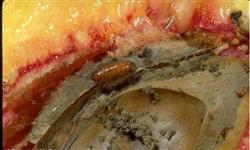
Spring Pest and Disease Control Methods for Protected Plum Trees
1. Mound soil at the base of the trunk. Before overwintering adults emerge from the soil (mid to late May), build a 10 cm thick mound of soil around the tree basin and tamp it down firmly so that emerging adults cannot come out of the soil. 2. Apply pesticide to the ground. Before overwintering adults emerge (after petal fall), spray the tree basin with 75% phoxim emulsifiable concentrate at 0.5 kg/mu, or 40...
条件筛选