-

What diseases are potted flowers like the fairy fan flower (Gaura lindheimeri) prone to?
What are the harms of eating? Besides easily gaining weight, what other diseases can overeating cause? Since ancient times, people's mindset has always been that eating more is a blessing. People often eat a lot in daily life. Although they feel too full and uncomfortable, most people do not take it seriously. In fact, eating too much causes great harm to the body.
-
What diseases are prone to occur in cut-leaf asparagus fern?
The small branches of asparagus fern turn yellow but do not fall off, mainly caused by insufficient nutrients in the potting soil and malnutrition. Some cases are due to the potting soil being hard and compacted, poor aeration, and reduced root vitality. In addition to repotting in spring with organic-rich potting soil, the surface of the potting soil should be loosened frequently, and fertilization should be strengthened.
-

These five vegetables are prone to causing poisoning if not cooked thoroughly, so never eat them raw
Want to learn more health knowledge? Click the top right corner ↗ and follow us! Anyone who cooks often surely knows that eating green beans without cooking them thoroughly will cause poisoning, ...
-

If the watering method for orchids is wrong, they are prone to disease; these points must be noted
Orchids by nature prefer to grow in cool, moist environments. The so-called moist does not mean that a large amount of water must be poured into the soil, but rather that they should be given the necessary humidity for suitable growth...
-
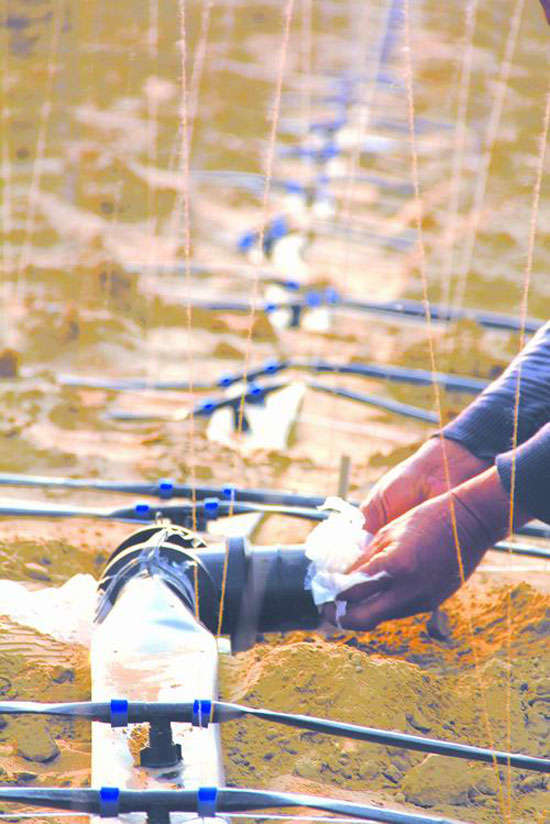
Drought-Prone Sandy Areas: Henan's Drip Irrigation Solves the Drought-Resistance Challenge
Drought-Prone Sandy Areas in Henan: Drip Irrigation
-

Chinese medicinal herbs are prone to insect damage; learn these storage tips to reduce losses
Chinese medicinal herbs are prone to insect damage; learn the key storage tips to reduce losses!
-

What are the trace elements that sheep are most prone to lacking when raising sheep?
The several trace elements that sheep are most prone to lacking when raising sheep
-
Reasons Why Newly Purchased Dogs Are Prone to Illness and Prevention Methods
With the improvement of living standards, more and more people are keeping pets. For various purposes, people regard dog keeping as a fashion. But people generally report: dogs are difficult to raise, especially newly purchased dogs are prone to illness. In practical dog cases, newly purchased dogs account for more than 1/3, bringing a lot of trouble and losses to dog owners. Why are newly purchased dogs prone to illness and how should it be prevented and treated? Based on our years of clinical observation, we believe there are the following main reasons, and corresponding preventive measures should be taken. 1 Main reasons why newly purchased dogs are prone to illness 1
-
Rabbits Are Prone to Heatstroke in the Hot Summer, Rabbit Farmers Must Not Forget Prevention
Heatstroke is a common disease of domestic rabbits in summer, and simply because rabbit farmers often take it lightly, cases of rabbits dying from heatstroke are frequently seen. Therefore, as the hot summer arrives, rabbit farmers are especially reminded never to forget to guard against heatstroke in rabbits. Precautions: set up simple shade shelters around the rabbit hutch or spread shade netting. Open all doors and windows of the hutch to let the air circulate; splash well water on the walls and floor inside the hutch to cool it down; provide the rabbits with plenty of clean drinking water, and feed more fresh green forage and an appropriate amount of watermelon rind, cucumber peel, etc., to help the rabbits quench their thirst and prevent heatstroke.
-
In early winter, laying ducks are prone to "reverse molting", so farmers should beware of a drop in egg production rate
"Reverse molting" in laying ducks refers to female ducks raised in spring that enter the laying period in November, when the temperature gradually turns colder, and the day-night temperature difference is too large or nutrition is insufficient, causing ducks that have just started laying to stop producing and go on "vacation". If laying ducks begin "reverse molting", they start to molt, and once molting begins they will not lay eggs again until the following spring. If duck "reverse molting" can be controlled during this period, the laying period can be greatly extended and the economic benefits of duck farming increased. When ducks show signs of "reverse molting" such as eggs becoming smaller, eggshells becoming thinner, delayed laying time, wet feathers after drinking water and coming ashore, and crowding into the duck house, measures should be taken promptly
条件筛选