-

How is scorpion venom produced? A detailed explanation of its formation process
The medicinal value of scorpions depends mainly on scorpion venom. The poisoning symptoms caused when people are stung by scorpions are also the effect of scorpion venom. The toxicity of scorpion toxin is similar to that of snake toxin and is extremely severe. Scorpion venom acts on frogs, guinea pigs, rabbits and other animals, and can produce poisoning in all of them. Its median lethal dose (LD50) for mice is 1.6 milligrams per kilogram of body weight (male mice) and 1.4 milligrams (female mice). However, its toxicity is destroyed when heated to 100°C for 30 minutes. The pharmacological functions of scorpions depend mainly on scorpion venom. Scorpion venom
-
How Is Royal Jelly Produced? A Detailed Introduction to the Production Process
Royal jelly is a secretion from the glands of worker bees, including the hypopharyngeal glands (commonly known as royal jelly glands) and the mandibular glands. It is the lifelong food of worker bee and drone larvae within 3 days of age, as well as of the queen bee. Depending on the flowering period, production season and bee species, royal jelly appears as a milky white to slightly yellowish curd-like substance with a sour, pungent, astringent and slightly sweet taste. Royal jelly is a natural health product with no harm to the human body, and its range of applications is quite broad. Men, women, the elderly and the young can all benefit from it. After taking it, it can enhance the body's immune function and promote recovery after illness. It has beneficial effects on high blood pressure, high blood lipids, neur
-
How is white tea produced? A detailed explanation of the origin and history of white tea
The so-called white tea in the Song Dynasty referred to tea made from leaves picked from white-leaf tea trees discovered by chance, which is different from the white tea that was later developed and made without pan-firing or rolling. By the Ming Dynasty, a type of white tea similar to today's had appeared. Tian Yiheng's "Boiling Spring Notes" records: "For tea, firing is inferior, sun-drying is superior, and it is also closer to nature... clear, emerald and bright, especially lovely." White tea originally referred to "Baihao Yinzhen" (Silver Needle), whose dry tea surface is densely covered with white downy hairs and whose color is silvery white. Later, through development, other varieties such as White Peony, Gongmei, and Shoumei also emerged.
-
How Is Yellow Tea Produced? Understanding the Origins of Yellow Tea in One Article
The basic process for green tea is fixation, rolling, and drying. When the green tea processing technique is not properly controlled - for example, if after fixation the leaves are not spread to cool and rolled in time, or after rolling they are not dried or pan-fired in time and are left piled too long - the leaves turn yellow, producing yellow leaves and a yellow brew, similar to the yellow tea that appeared later. Therefore, the emergence of yellow tea evolved from improper green tea processing methods. Xu Cishu of the Ming Dynasty recorded this history of evolution in his "Tea Commentary" (1597).
-

Domestically produced Xiongying drone born with 100 million pixels, can identify 1 cm objects on the ground, patrol mountains and count vegetables
High-spec domestically produced drone "Xiongying" is born! 100 million pixels capture 1 cm objects on the ground, impressive at patrolling mountains and counting vegetables
-
How is exported ginger sprout produced? Key technical points explained in detail
Exported ginger sprouts are cultivated similarly to conventional ginger, using a densely planted "small ginger" variety with many branches, at a sowing density of 10000 plants per mu; the main cultivation and management techniques are: applying more base fertilizer, topdressing and watering early, promoting early branching and growth of the ginger, and paying attention to shading. Ginger sprout production can be carried out from the stage when the ginger has grown full seedlings all the way to the ginger harvest period. Softened ginger sprout production requires focusing on the following key steps: (1) Build a good cultivation site. A cultivation room converted from an idle house, warehouse, or a greenhouse or solar greenhouse can be used.
-
How is High-Quality Angora Rabbit Wool Produced? Key Technical Points Explained
Rabbit hair is divided into three types: fine hair, coarse hair, and two-type hair. Fine hair, also known as rabbit down, has an average fineness of 12-14 microns and is the shortest of the three types. It has distinctly irregular crimps. Because fine hair has good physical and chemical properties, it has high textile value in the wool textile industry. Generally speaking, its price is also higher than the other two types. Therefore, mastering rabbit down production techniques to produce more fine hair is an effective means of improving the production efficiency of Angora rabbits. 1. Understand the quality requirements for rabbit down. Rabbit down should be pure white, fully loose, free of impurities,
-
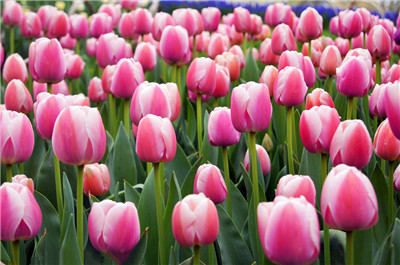
How are tulips produced using the water culture method?
Tulips are perennial herbaceous plants of the lily family; their flowers are large and brightly colored, making them very popular. They are widely used in the fresh cut flower market, and now water culture cut flower production is gradually gaining popularity among professional growers. China began introducing and experimentally cultivating them in the 1990s.
-
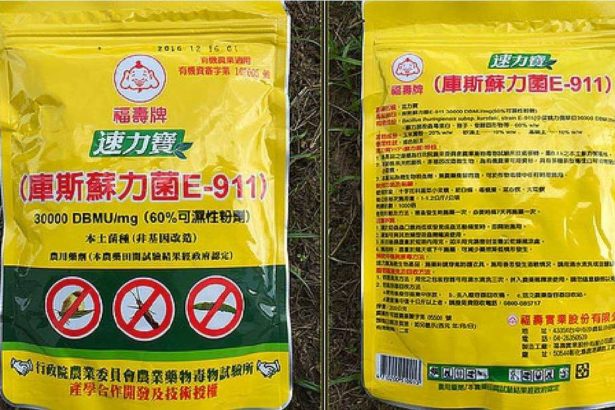
Bacillus thuringiensis product "Fushou Sulibao," the only locally produced organic input, tests positive for diphenylamine, cause under investigation
The only locally produced organic input, Bacillus thuringiensis product "Fushou Sulibao," tests positive for the chemical pesticide diphenylamine, cause pending investigation
-

Where is sorghum produced? Introduction to the distribution of main producing areas
Where is sorghum produced?
条件筛选