-
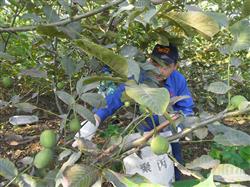
How to Harvest and Process Walnuts? A Detailed Practical Guide
How do you harvest and process walnuts? Please give guidance. For walnut harvesting and processing, you can refer to the following methods: Harvesting. To ensure the yield and quality of walnut nuts, they should be harvested when the nuts are fully mature, but not too late, otherwise the green husks will split open and hang on the tree for too long, increasing the chance of mold infection, causing...
-

-

How Are Seedless Watermelons Cultivated? A Detailed Explanation of the Whole Process
The Cultivation Process of Seedless Watermelons
-

What should be noted during the process of planting bayberry (Chinese bayberry, Myrica rubra)?
Notes on planting bayberry
-

Detailed explanation of peach juice processing technology and flow
(1) Process flow: feeding → cleaning → cutting into halves → pitting → soaking → pre-boiling → pulping → blending → deaeration → homogenization → sterilization → filling → sealing → cooling → wiping bottles → labeling → quality inspection → boxing → warehousing (2) Process specifications (1) Raw materials: Select canning peach varieties for processing, with large size, small pit, clingstone, white or yellow flesh, and a relatively high degree of ripeness to highlight the peach flavor. Remove diseased, insect-damaged, bruised and rotten fruit, then wash. When washing, pay attention to brushing off the peach fuzz with a brush. If pesticides are present, add dilute hydrochloric acid to
-
Detailed explanation of processing techniques for almonds, dried apricots, and apricot juice
The apricot tree is one of the ancient cultivated tree species in our country and is widely distributed. Apricot fruit is a treasure in every part, containing rich vitamins and mineral elements. Every 100g of flesh contains 10g of sugar, 0.9g of protein, 1.79g of carotene, 0.02mg of thiamine, 0.03mg of riboflavin, 0.6mg of nicotinic acid, and 7mg of vitamin C. Almonds contain about 23% protein, 50%-60% fat, with an oil yield of 45.8%, and are rich in phosphorus, calcium, potassium, iron and other nutritional elements needed by the human body
-
Detailed Explanation of Peach Puree Processing Techniques and Methods
Peach puree production process: raw material selection → cutting → peeling → pit removal → trimming → mincing → ingredient mixing → heating and concentration → canning → sealing → cooling → wiping cans, storage. Production method: 1. Raw material selection: select fruit with moderate ripeness, relatively high acid content and strong aroma as raw material, and remove moldy and underripe substandard fruit. 2. Raw material processing: the processes of cutting, peeling and pit removal are the same as for peaches in syrup canned. 3. Trimming: parts with spots, insect damage, discoloration and bruises
-
Detailed explanation of the processing and production method of almond milk beverage
(1) Process flow: sweet almond (or bitter almond) → disinfection and washing → drying → crushing and oil pressing → grinding → blending → homogenization → pasteurization → canning and sealing → sterilization → cooling and can wiping → heat preservation → inspection → packaging → finished product. (2) Key operation points: ① Almond disinfection: put the washed almonds into peracetic acid at a concentration of 0.35% for disinfection, soak for 10 minutes, then remove, rinse clean with clean water, remove and drain the water, then put the almonds into a drying room for drying. The drying room temperature is 65-70°C, and the drying time is 20
-
Detailed Explanation of Key Points of Peach Quick-Freezing Processing Technology
(1) Process flow: raw material selection → pitting and color protection → blanching and cooling → peeling → packaging and adding sugar syrup → pre-cooling → quick freezing → frozen storage. (2) Key operating points. Raw material selection: after peaches are picked, ripe ones must be processed immediately; hard, unripe fruit must be ripened. Properly ripened peaches have bright color, rich flavor, and are easy to pit and peel. Pitting and color protection: after the raw material ripens, remove the pit with a small knife or a pitting machine, and immediately place the flesh in cold water to avoid contact with air and prevent discoloration. The pitting machine has fruit
-
A Detailed Guide to the Processing Technology and Methods of Multi-flavor Jujubes
Multi-flavor jujube is a new type of jujube product between candied jujubes and red jujubes, with a variety of flavors, which makes up for the shortcomings of candied jujubes being too sweet with a single flavor and red jujubes having thick skins that are inconvenient to eat. I. Production process flow: raw material selection - washing and grading - scoring and sulfur dipping - sulfur fumigation and rinsing - soaking and draining sugar - baking and packaging. II. Processing key points: 1. Raw material selection: choose fresh jujubes with large fruit, small pit, loose flesh, relatively little juice, thin skin, nine-tenths ripe, white with a touch of red in color, free of pests and diseases, and not sprayed with pesticides within half a month as raw materials.
条件筛选