-

What are the common problems in winter mushroom cultivation?
Common problems in winter mushroom cultivation
-
What problems are prone to occur in edible mushroom cultivation
Problems prone to occur in edible mushroom cultivation
-
How to solve the problem of dead mushrooms in straw mushroom cultivation
Causes of dead mushrooms in straw mushroom cultivation: poor coordination between ventilation and moisture retention in the mushroom house. Straw mushrooms are aerobic fungi and need plenty of water; too much ventilation easily leads to water loss and death. Insufficient ventilation easily leads to excessive carbon dioxide and death from oxygen deprivation. Sudden temperature changes in the mushroom house. If ventilation and cooling are not carried out early enough during prolonged high temperatures, or if too much well water is sprayed on the floor, the temperature drops too quickly, and the small mushrooms cannot withstand the sudden temperature change and die in batches. Poor spawn quality and damage from pests and diseases. Spawn of the proper age dies after aging because it cannot be cultivated in time. If the mycelial vigor is poor, nutrient accumulation after spawning is insufficient, and the mushrooming
-
How can the problem of dead mushrooms be prevented in mushroom cultivation?
1. Prepare the compost scientifically and reasonably so that the carbon-to-nitrogen ratio reaches 28-30:1, and do a careful job of composting; 2. Select high-quality spawn, promptly discard aged and contaminated spawn, create conditions suitable for mycelial growth and development, and strictly prevent high-temperature cultivation; 3. During the fruiting period, pay close attention to weather changes, adjust the shed temperature according to the air temperature, strengthen ventilation and air exchange, and strictly prevent high-temperature conditions inside the shed; 4. Make sure the mushroom shed is ventilated and aired regularly (generally 2-3 times a day); when the temperature is high, ventilate in the early morning and evening or at night to keep the air fresh. 5. Water based on the mushrooms
-
Analysis of the Development Results and Existing Problems of the Edible Mushroom Industry
I. Development Status. Edible mushroom production is an emerging industry to which all countries in the world today attach great importance, and it is also an important industry in our country's agricultural economy and an advantageous project for farmers to become wealthy. Yongchang County has a vast territory, superior natural conditions, abundant labor resources, and outstanding regional planting advantages, and possesses unique conditions for developing off-season edible mushroom production. In 2002 it was listed by the county Party committee and county government as a characteristic industry for key development. After repeated investigation and demonstration by county leaders and business departments, in 2003 the county Party committee and county
-
Main Problems and Cause Analysis in Pleurotus pulmonarius Cultivation
At present, the cultivation area of Pleurotus pulmonarius in our city has exceeded 50 million bags, making it one of the main edible mushroom varieties cultivated in our city, with good cultivation prospects and benefits. Pleurotus pulmonarius cultivation can be carried out year-round through low-temperature treatment in cold storage. However, due to improper season, variety, culture medium, temperature treatment and water control, phenomena such as failure to fruit or death of mushroom buds often occur. Through years of cultivation practice, we have explored and summarized the above problems for the reference of peers. 1 Variety selection Currently, the main variety cultivated in our city is the Pleurotus pulmonarius series introduced from Taiwan, China by Luoyuan
-
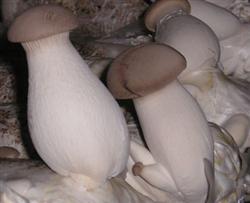
Analysis of Common Problems in King Oyster Mushroom Cultivation
King oyster mushroom is one of the edible mushroom species developed in China in recent years. Its production cycle is short, results come quickly, and its economic benefits are relatively high, so its planting area has continued to expand. However, problems often arise in king oyster mushroom production, causing huge losses to mushroom farmers, so attention must be paid to them. 1. Contamination of mushroom bags causes...
-
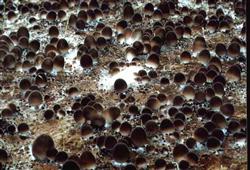
What are the common problems in the process of straw mushroom cultivation
1. Appearance of clustered mushrooms: Too large a seeding rate and uneven seeding will lead to clustered mushrooms. Therefore, the seeding rate should be controlled at 0.2-0.3 kg/sq m. The seeding method can be layer seeding, mixed seeding or broadcast seeding; it is best not to use hole seeding. 2. Aging of spawn: If aged spawn is used, although mycelial germination and colonization are normal, and the yield of the first flush is also good. But the yield of the second and third flushes is significantly reduced, and the overall yield decreases. Therefore, when purchasing spawn, you must pay attention.
-
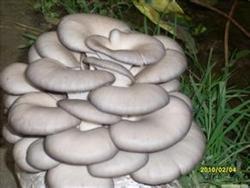
What are the common problems during the mycelium running stage of oyster mushrooms? Solutions included
In oyster mushroom cultivation, pests and diseases are stumbling blocks. Recognizing and controlling them promptly is of great significance for normal production. Once pests and diseases are found, failure to take timely measures will seriously affect oyster mushroom yields and sometimes cause total crop failure. Therefore, one should choose excellent and highly resistant spawn strains, strengthen scientific management, and create conditions favorable for mushroom mycelium...
-
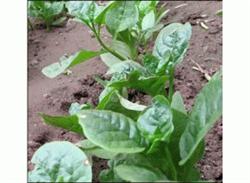
What are the common problems in wood ear mushroom production?
Wood ear vegetable (Malabar spinach) belongs to the Basellaceae family as an annual vine plant. Its leaves are thick and fleshy, elastic, good in taste, smooth and delicious, closely resembling wood ear mushroom, hence the name wood ear vegetable. The cultivation techniques for wood ear vegetable are introduced as follows: 1. Cultivation methods. (1) Direct seeding cultivation. For direct seeding to harvest young seedlings, use 6-8 kg of seed per mu, broadcast sowing. To...
条件筛选