-

How is black rot in Phalaenopsis caused? A detailed guide to prevention and control methods
When growing Phalaenopsis, the most frustrating thing is encountering black rot and water-soaked rot. A perfectly healthy plant suddenly becomes sickly, and sometimes it cannot be saved. Today I will explain the causes and solutions in detail. Temperature and humidity imbalance: Phalaenopsis likes warmth and humidity, but it is also afraid of high temperature and high humidity. Its optimal growth temperature is 18-28°C
-

Why Indoor Potted Plants Are Prone to Pests and Diseases in Winter and General Prevention and Control Methods
In winter, during this special season, indoor potted plants face the threat of pests and diseases. Today, let's talk about how to effectively prevent and control pests and diseases in indoor potted plants in winter and create a healthy, green home environment. In winter, indoor potted plants often face a high incidence of pests and diseases, mainly due to
-

Prevention and Control Methods for Acid Damage and Alkali Damage in Garden Flowers
Prevention and Control of Alkali Damage and Acid Damage in Garden Flowers
-
What to Do When Flowers and Plants Get Crown Gall Disease? A Detailed Guide to Prevention and Control Methods
Prevention and Control Methods for Crown Gall Disease in Flowers and Plants
-
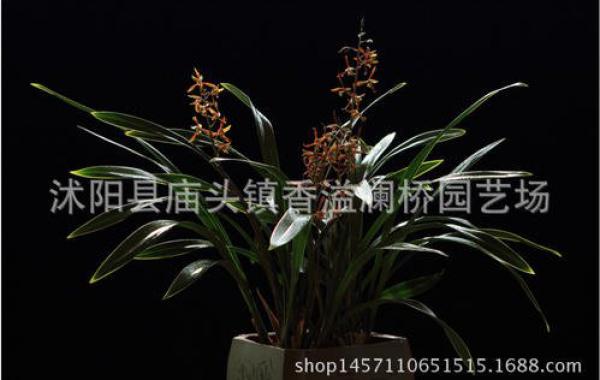
What are the prevention and control methods for black spots on orchid leaves?
How to prevent and control black spots on orchid leaves
-
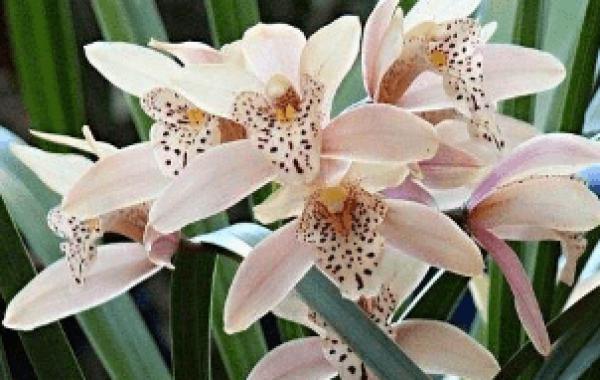
What to do when the flower buds of Tillandsia turn green? Master the prevention and control methods to protect yield
Don't panic if the flower buds of Tillandsia turn green; prevent and control it this way to protect yield
-
What to Do When Flowers and Plants Get Sooty Mold? A Detailed Guide to Prevention and Control Methods
Prevention and Control Methods for Sooty Mold on Flowers and Plants
-
A Complete Guide to Common Spring Flower Disease Prevention and Control Methods
Prevention and Control of Common Spring Flower Diseases
-
What Are the Symptoms of Walnut Anthracnose? A Detailed Guide to Prevention and Control Methods
1. Distribution and occurrence characteristics Walnut anthracnose generally occurs mostly from June to August, with slight variations from place to place. In Jiangsu, Henan and Shandong it occurs from late June to early July, and in Hebei and Liaoning in August. The pathogen overwinters as mycelium and conidia in diseased fruits, diseased leaves or bud scales, and the following
-
Characteristics of Walnut Powdery Mildew and a Detailed Guide to Its Prevention and Control
1. Distribution and Occurrence Characteristics It is one of the common and important diseases in walnut-producing regions across our country. The disease severely affects the yield and quality of walnuts in the current year and the tree vigor in the following year, causing great damage. The pathogen overwinters as cleistothecia on fallen leaves or diseased shoots. The following spring, as temperatures rise and rain occurs, the cleistothecia
条件筛选