What to do when the flower buds of Tillandsia turn green? Master the prevention and control methods to protect yield
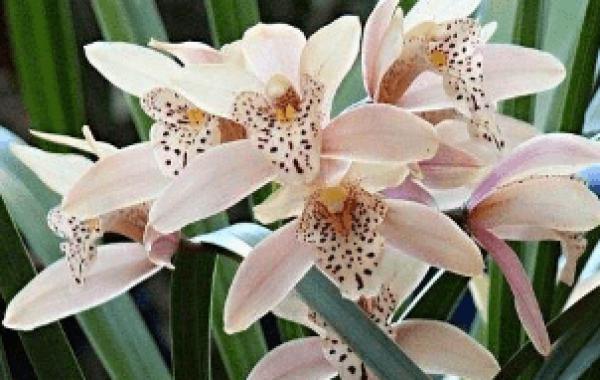
Tillandsia is a common ornamental plant in daily life. Its flower buds are normally pink and can bloom into purple flowers, but when many people grow it, its flower buds turn green. What should be done in this situation? Today, the editor will share with you the reasons why Tillandsia flower buds turn green and the prevention and control methods for Tillandsia flower buds turning green.
Tillandsia is the common purple bromeliad (Tillandsia cyanea) in daily life, an ornamental plant. Its flower buds are usually pink, it blooms into a kind of purple flower, and its leaves are verdant. But many friends wonder why their Tillandsia flower buds turn green, which leaves many people at a loss. So what causes Tillandsia flower buds to turn green? Let's take a look.
I. Reasons why Tillandsia turns green
The flower buds of Tillandsia gradually changing from pink or purple to green is actually a process of gradual growth and aging. The flowers of many plants also constantly change over time. The obvious change in Tillandsia lies in the flower buds, or more precisely the color of the flower bracts. As the flowers fade, their color slowly turns green. In addition to normal greening, insufficient light may also cause its flower buds to turn green, because if it cannot receive light for a long time, or the light duration is short, its flower bud color will gradually fade. In cases of insufficient nutrients, the plant will grow poorly, which will also cause the flower buds to change color.
II. Solutions
1. Pruning
When the color of Tillandsia flower buds turns green, it means its flowering period is about to end. If not handled in time, it will slowly become dry and wilted afterward. Therefore, in order to keep the whole plant verdant and fresh, we can prune it appropriately, such as cutting off the flower spike in the middle, because a flower stem that has already bloomed is very difficult to bloom again. After pruning the flower spike after flowering, it is necessary to carefully care for its offsets, replenish water and nutrients in time, and promote the subsequent growth of Tillandsia, so as to help it continue to bloom.
2. Fertilizing
During the growing period, make sure the plant does not lack fertilizer. When the flowers change color, apply a diluted compound fertilizer in time once, and afterward apply 1-2 additional magnesium fertilizer applications as appropriate during fertilizing.
That is all I have shared with you above. I hope this article is helpful to everyone, and I wish you good luck.