-

A few practical tips for keeping azaleas at home
Azaleas are deeply loved by gardeners for their abundant blooms and vivid colors. But many people find that when they first bring an azalea home, the flowers are bright and the leaves green, yet after being kept indoors for a long time, the leaves turn yellow and drop, and the flowers become smaller and fewer. How do you grow azaleas well? Based on years of experience, the author believes the following three points should be noted: 1. Humidity. Before being bought and brought home, azaleas are grown and maintained in greenhouses, where the air humidity is high and suitable for azalea growth, but the air humidity in ordinary homes is very low, especially in winter when heated
-
Practical tips for saving feed in yellow catfish farming
Currently, yellow catfish (Pelteobagrus fulvidraco) farming is quite widespread, and it is a major farmed species through which fisher-farmers in many places increase their income. However, during the farming process, many farmers, in their one-sided pursuit of output, do not know how to save feed and continuously put excessive feed and fertilizer into the farming water body, which not only drives up farming costs day by day but also causes the water quality to deteriorate continuously, affecting the growth of yellow catfish and resulting in low farming returns. How can feed costs be saved in production practice? Strictly remove trash, clear the pond and disinfect. Clearing and disinfecting the pond can both kill wild trash fish and reduce
-
How to Grow Orchids? Sharing Two Practical Care Tips
I. Notes on Overwintering Management of Orchids Orchids generally need to be moved indoors or into a greenhouse for cultivation by mid-November; if moved too late, they are prone to frost damage or even freezing injury. In daily management, besides strengthening general overwintering measures, attention should also be paid to treating different varieties according to their specific characteristics. 1. The ancients had the experience of "exposing orchids in cold weather"; orchids are best placed on a south-facing sunny windowsill or table. The suitable growing temperature for orchids is 15-25°C, and overwintering in a low-temperature room at around 10°C is generally ideal. If
-
What are some practical tips for extracting honey by spinning the combs in the four seasons?
The main economic benefit of beekeeping comes from extracting honey by spinning the combs. As the seasons change through the year, the method of spinning honey also differs. Taking the Yangtze River basin as an example, the basic principle of spinning honey is: in spring be early, in summer be frequent, in autumn be steady, in winter stop. 1 In spring be early. After the beginning of spring, the queen bee begins to lay eggs, the worker bees go out to forage, and their enthusiasm for rearing the young rises day by day; especially the Chinese bee (Apis cerana), when the temperature turns warm but still cold, flies about searching and collects scattered nectar. They generally produce their first batch of mature honey around the end of March,
-
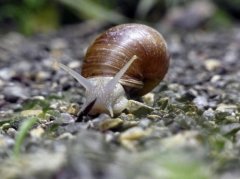
Control methods for the grape flat snail, practical tips for pest and disease prevention and control
Control of the flat snail in vineyards: Grapes also have many pests and diseases. Today let us first learn about snail control. The vineyard flat snail is an important pest of grapes, and traditional control methods are not very effective. Using the PET bottle method to control the flat snail can achieve 95-100%
-
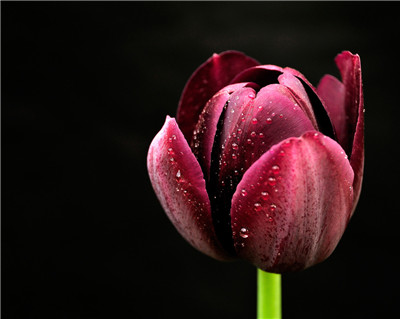
Some Practical Tips for Growing Tulips
Tulips have beautiful flower shapes and graceful plant forms, making them common ornamental plants. In recent years, they have become quite popular in the cut flower market, and the long, elegant flower stems of tulips make them excellent material for flower arranging. Tulips have broad market prospects, and the following points should be noted when cultivating them
-
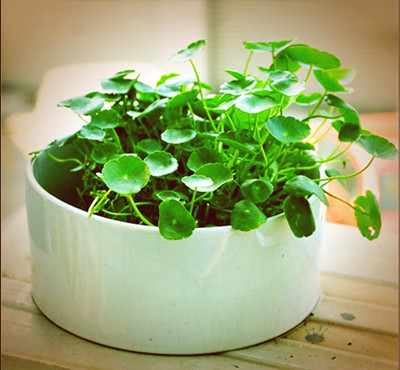
How to grow pennywort? Practical cultivation tips shared
Pennywort, also called marsh pennywort, is a perennial emergent or hygrophytic herb. The plant height is 5-15 cm. The stem tip is brown. Submerged leaves have long petioles, are roundly peltate, 2-4 cm in diameter, with wavy margins, grass-green. Flowers are bisexual; umbellate inflorescences; small flowers are white-pink. Schizocarps. Flowering period is June to August. Its stem nodes are distinct, one node after another
-
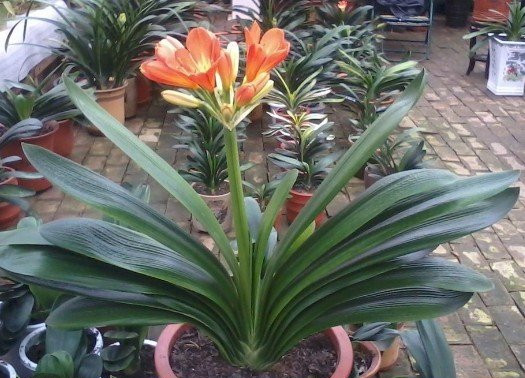
How to grow Clivia well in the south? Practical care tips
Clivia (Clivia miniata), a herbaceous plant grown both for its flowers and its foliage, is deeply loved by flower enthusiasts. Especially in Northeast China, almost any household that grows flowers has a pot of clivia. But clivia is not only cultivable in the north; the south is equally suitable for growing it.
-
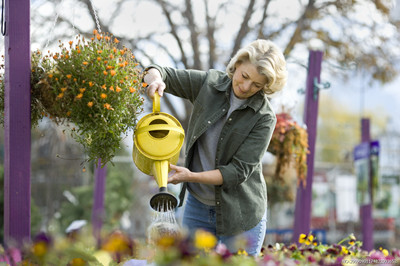
How to water houseplants? Sharing a few practical tips
1. Watering flowers with leftover tea: Using leftover tea to water flowers not only keeps the soil moist but also adds nutrients such as nitrogen to the plants. However, you should water regularly and in moderation according to the moisture level of the pot, rather than pouring leftover tea on whenever you have it. 2. Watering flowers with spoiled milk: After milk spoils, dilute it with water to water flowers, which benefits the growth of the plants
-

How to Select Jackfruit Saplings? A Detailed Guide to Practical Methods and Tips
How to Select Jackfruit Saplings
条件筛选