-

Why Were Woody Oil Plants Chosen? An Analysis of the Reasons
Currently, why does the country want to accelerate the development of the woody oil plant industry? What difficulties still exist in developing this industry? How can it be supported and strengthened? 600 million mu of forestable wasteland is suitable for developing woody oil plants. In recent years, China's edible vegetable oil consumption has continued to grow, directly lead
-
Pesticides and Fertilizers: Friends or Enemies? A Comprehensive Analysis of the Pros and Cons
Pests and soil fertility are two external factors affecting crop yields. The use of pesticides effectively prevents, destroys and controls pests; the use of chemical fertilizers, especially nitrogen fertilizers, has improved soil fertility and was the main reason for the surge in Asian grain yields during the Green Revolution.
-
China's invasive alien plants have exceeded 500 species
Tropical Mikania micrantha, water hyacinth in the south, Ageratina adenophora in the southwest... In recent years, these exposed invasive alien plants have caused serious losses to China's ecosystems and economic development. The latest survey shows that China now has more than 500 species of invasive alien plants. Chinese Academy of
-
A Boost for the Macadamia Industry: Yunaoda Supplies 1 Million Seedlings
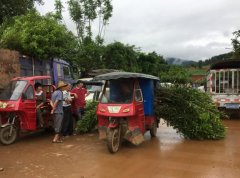
Since the beginning of this year, the economic benefits of macadamia nuts have continued to emerge, farmers' enthusiasm for growing macadamia nuts has kept rising, and macadamia seedlings have become a hot commodity. Recently, macadamia seedlings in many parts of Yunnan Province have been hyped to 12 to 15 yuan/plant, and in some areas there have even been
-
The Importance and Methods of Biological Control of Plant Diseases
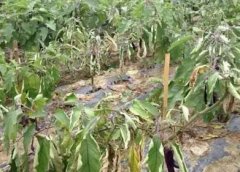
Application and prospects of biological control of crop diseases. How do you do it? Want to learn more? What are the applications and development directions of biological control in plant diseases? So how should it be done, and what are the methods? Let's take a look together below. Biological
-
What causes plant pests and diseases? Tracing the origins of IPM crop production management techniques
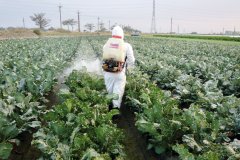
IPM is not about setting absolute methods, but about finding the most optimized approach. Let's take a look together below. Cruciferous crops in their growth pattern often develop serious pests and diseases only near harvest time. Taking broccoli as an example, the head is covered by outer leaves, and pests easily hide within, leading to poor control
-
Is the sundew that eats insects a carnivorous plant? A roundup of common carnivorous plants
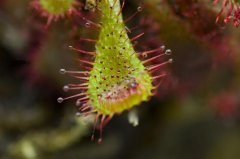
Carnivorous plants are a relatively little-known group of garden plants. They have insect-eating characteristics that set them apart from ordinary plants, and together with some misunderstandings, do you know which carnivorous plants there are? Pitcher plant: the structure the pitcher plant uses to catch insects is a specialized insect-trapping pouch at the end of the leaf
-

What month does the Chinese tallow tree bloom? What are the medicinal values of the plants parasitic on it
The Chinese tallow tree (Triadica sebifera) is a colored-leaf tree species. Its bark is brown or gray, covered on the outside with a white waxy layer. Its diamond-shaped leaves are its main feature, with entire leaf margins and no fine serrations. The leaves are simple and alternate, and the leaf surface has a layer of wax, so it feels smooth to the touch. In spring and autumn
-
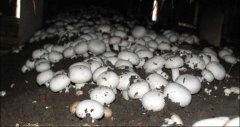
Where are mushroom processing plants located? What products can mushrooms be processed into?
Mushrooms, as a commercial vegetable, can not only be sold on their own, but can also be processed into what products for sale? Which processing plants are relatively well known? Let's take a look together! Domestic companies related to mushrooms: Gushen Lingzhi: China's number one lingzhi brand, the country's largest edible and medicinal fungi deep-processing enterprise.
-
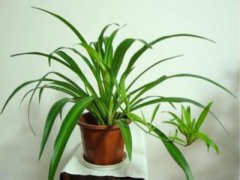
How do you grow spider plants so they fill out the pot and thrive even more? Choosing the right fertilizer matters
Do you know how to grow spider plants? Actually there are two ways to grow spider plants: one is water culture, and the other is soil culture. For water culture, the best water is rainwater, which is very good for growing spider plants. Below we focus on how to grow them in soil, and what
条件筛选