-
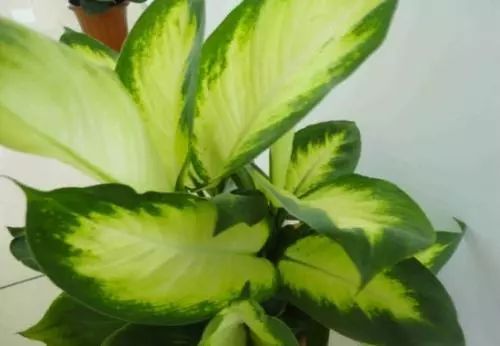
Don't worry about insufficient light - these plants can thrive with just a little bit of light
Some plants like light, while others prefer shade. When growing plants at home, it's often impossible to meet every plant's requirements one by one. If you can't grow sun-loving plants, you can also grow these incredibly shade-tolerant plants! 1. Dieffenbachia 'Camille' ...
-
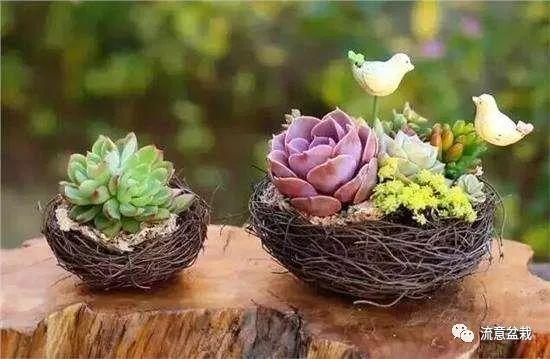
Succulent Plant May Planting and Care Calendar
May falls at the transition from late spring to early summer, with warm, gentle days and large day-night temperature differences that create favorable conditions for plant growth, making it one of the best seasons for succulent plants to grow. In the mild, sunny days of May, many succulent enthusiasts like to grow their plants outdoors, but they should...
-

-

What are the benefits and effects of Chinese hibiscus? A detailed explanation
The Chinese hibiscus flower is not only used for ornamental purposes, serving as a feng shui plant that expresses a meaning of warmth and hospitality, but it also has a detoxifying effect, can clear heat and resolve phlegm, treat coughs, nourish the lungs and promote body fluid production. Its medicinal value is relatively high, and as a type of traditional Chinese medicine, it is widely used.
-
What are the uses and benefits of the rubber plant?
The rubber plant has thick, glossy leaves, and the buds at the tips are red, giving it excellent ornamental value. As a green plant, it is also very helpful in absorbing harmful gases, especially in absorbing secondhand smoke and purifying the air. The rubber plant is also a source of natural rubber.
-
How to propagate a rubber plant by layering? Detailed method and steps explained
For rubber plant layering, it is generally best to choose the rainy season. We select branches that have brownish-red stems on top; they must not be too tender, and then we peel the bark. The layering method is fairly complicated, and the process includes peeling the bark and other steps. After layering, make sure to maintain humidity. Once white roots grow, it can be planted into a flower pot.
-
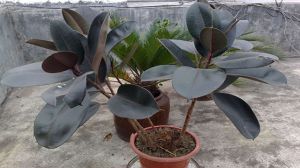
How do you repot a rubber plant? Master the correct repotting methods and steps
The best time to repot is in mid-to-late March, when its new buds have not yet emerged. The specific procedure is to first take the plant out of its original pot, then place a layer of soil at the bottom of the new pot, put the plant in, and add new soil around it. After that, water it and place it in a shady spot. In about four or five days, new leaves will grow, which means the roots have successfully adjusted, and you can begin normal care.
-
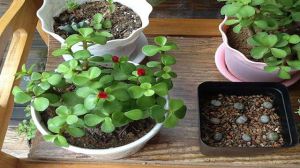
How to repot a jade plant (Portulacaria afra)? Master these few tips and you are all set
A jade plant needs repotting once every one or two years. The pot bottom must have drainage holes, and one third of the soil around the roots should be kept. After repotting, the plant is in a recovery period, so do not water it right away and do not expose it to direct sunlight; after one or two weeks you can care for it normally.
-
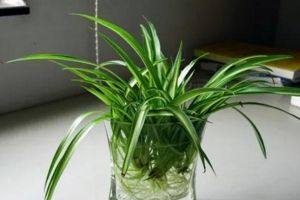
Pothos and spider plant hydroponics always turn yellow leaves, 3 steps to make them green immediately
Many flower lovers like to grow their plants hydroponically at home, but the nutrients in water are always scarcer compared to those in soil, so hydroponically grown plants easily develop yellow leaves. Today Huahua will tell you how to keep their leaves forever lush and green!
-

6 flowers that are veritable blooming machines, 1 plant can bloom 200 flowers, and you can't even cut them all
Although once April passes, many flowers have mostly faded and the lively bustle is about to disperse, some flowers are only just beginning to bloom. Today Huahua will talk about a few seasonal blooming "marvels," so flower lovers still have flowers to enjoy during the spring-summer seasonal change!
条件筛选