Pothos and spider plant hydroponics always turn yellow leaves, 3 steps to make them green immediately
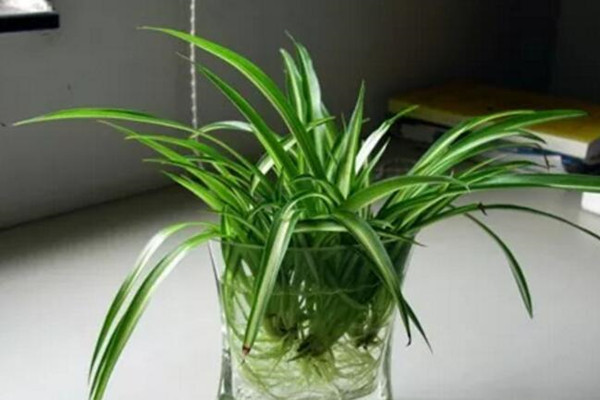
Hydroponic spider plant yellow leaves
Why do the leaves turn yellow?
1. Too much light.
The spider plant is a shade-loving plant and cannot tolerate strong sunlight. If a flower lover puts it on a south-facing balcony to grow, it will very easily develop yellow leaves.
Solution:
Just place the spider plant indoors somewhere with scattered light, such as the living room, bedroom, and so on. Do not give it overly strong sunlight.
2. Not enough fertilizer.
A hydroponic spider plant cannot absorb as many trace elements as a soil-grown one, so if the water is not changed often, it easily leads to nutrient deficiency and thus yellow leaves.
Solution:
The spider plant is mainly given nitrogen fertilizer. You can mix urea and water at a ratio of 1:800 and apply it in the bottle, but be careful not to overdo it, otherwise it easily burns the roots.
3. Not pruning in time.
Leaves that are too dense will speed up nutrient absorption, and the leaves will turn yellow. In addition, too many tangled roots will affect the spider plant's nutrient absorption and also cause yellow leaves.
Solution:
Cut off the yellow leaves in time. If the spider plant is too dense, you can carry out a "beheading" operation to ensure the other leaves can grow normally, and prune away the excess aerial roots so the roots can fully absorb nutrients.
Hydroponic pothos yellow leaves
Why do the leaves turn yellow?
1. Sudden environmental change.
Generally, a newly bought pothos will have a process of adapting to a new environment when it arrives home, and yellow leaves at this time are a normal phenomenon. You just need to cut off the yellow leaves in time.
Solution:
You can place the newly bought pothos in the bedroom or another place at home with scattered light, and slowly wait for it to settle in.
2. Insufficient nutrients.
The nutrients in water are not as plentiful as those in soil, and insufficient nutrients will also cause pothos leaves to turn yellow.
Solution:
Pothos is also a foliage plant and is mainly given nitrogen fertilizer. Besides urea, we can dilute decomposed soybean water 20 times and add a little to the hydroponic bottle, and usually we can spray water on the leaves.
3. Poor water quality.
Some flower lovers directly use tap water from home to grow pothos without any other treatment. The chlorine in tap water is bad for the pothos's growth and easily causes yellow leaves.
Solution:
Change the water often. Just add water to the hydroponic bottle until it is about 1/2 full, and change the water once every 2 weeks. When changing, there is no need to take the roots out; just pour it in along the side of the bottle.
Hydroponic pennywort yellow leaves
Why do the leaves turn yellow?
1. Insufficient nutrients. Pennywort grows very fast, so the nutrients in the water are consumed very quickly too. If yellowing and lodging of the leaves appear, it is very likely due to insufficient nutrients.
Solution:
Grow it half in soil and half in water. This can satisfy the pennywort's needs for both water and nutrients at the same time, killing two birds with one stone. First add soil to the bottle until it is 1/2 full, then plant the pennywort, then add water, slowly, so as not to knock the pennywort over, and afterward just add more when the water gets low.
2. Poor ventilation. Even in hydroponics, pennywort still needs a well-ventilated, not stuffy environment. If the air is too humid and not circulating, it easily causes pennywort leaves to turn yellow and wilt.
Solution:
Pay attention to the placement. Put the hydroponic pennywort in a sunny and well-ventilated place, such as a south-facing balcony.
Hydroponic lucky bamboo yellow leaves
Why do the leaves turn yellow?
1. Improper fertilizing. Newly bought lucky bamboo generally has no roots, so its ability to absorb nutrients is poor and it easily develops yellow leaves; however, excessive fertilizing will also cause lucky bamboo leaves to turn yellow.
Solution:
For newly bought lucky bamboo, you can cut the lower end at a 45° slant to increase the area for absorbing nutrients and also promote rooting; if you have over-fertilized, stop fertilizing immediately, cut off the yellow leaves, and change the water again to dilute the fertilizer.
2. Improper light. With insufficient light, lucky bamboo cannot carry out sufficient photosynthesis, and the leaves will not be green; with too much light, lucky bamboo cannot tolerate strong sun, and the leaves will also turn yellow.
Solution:
Lucky bamboo likes shade and is not too strict about light requirements. Usually just place it in the living room.
3. Not changing the water. Hydroponic plants cannot go without changing the water forever. The oxygen and nutrients in the water will decrease after being used for a period of time, and gradually they will no longer meet the conditions lucky bamboo needs.
Solution:
When water quality deteriorates, it easily breeds bacteria and affects the lucky bamboo's respiration. Generally change the water once a month, and usually just add water to the bottle when it gets low.
Hydroponic monstera yellow leaves
Why do the leaves turn yellow?
1. Lack of nutrients. After a long time in hydroponics, the nutrients in the water become insufficient, and this easily causes monstera yellow leaves.
Solution:
Monstera is a relatively large foliage plant. You can keep some special nutrient solution on hand at home and add one or two drops to the water each month, and the leaves will become lush and green.
2. Temperature too low. Monstera is also not cold-tolerant. If the temperature is too low in winter, monstera is prone to cold damage and yellow leaves.
Solution:
When the temperature is low in winter, pay attention to keeping the monstera warm. During the day it can receive more light, and be careful not to let it get cold wind, otherwise it easily gets frostbitten.
3. Poor ventilation. Although monstera likes humidity, if the air does not circulate for a long time and makes the environment both wet and stuffy, it easily stifles its leaves yellow.
Solution:
Put the monstera in a ventilated place at home, and spray water around it from time to time to keep the air fresh.
Alright, that's all from Huahua today
What other problems have appeared with you flower lovers' hydroponic plants
Welcome to leave a message below
Huahua will do her best to help everyone~