Succulent Plant May Planting and Care Calendar
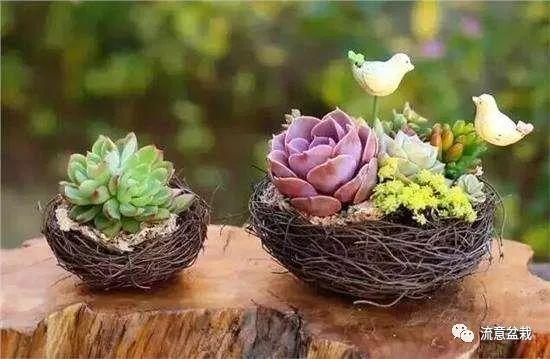
May falls at the transition from late spring to early summer, with warm, gentle days and large day-night temperature differences that create favorable conditions for plant growth, making it one of the best seasons for succulent plants to grow.
In the mild, sunny days of May, many succulent enthusiasts like to grow their plants outdoors, but they should keep an eye on the weather. In this season, if succulents are exposed to rain or watered too much, combined with high temperatures, it is very likely to cause leggy growth or pests and diseases such as black rot.
Succulent plant care in May:
1) Light
Most succulent plants can be placed outdoors in a sunny spot for care, which keeps the plants sturdy and the colors vivid. Avoid insufficient light, which causes leggy growth and loose rosettes; some beautifully colored succulents will fade or even lose their colors entirely.
Haworthia cooperi (Liliaceae) can be shaded appropriately to avoid strong sunlight scorching the leaves and affecting growth, but it should not be too shaded either, lest lack of light cause a loose rosette and brittle leaves that break easily when bumped.
2) Watering
For varieties in their growing season, follow the principle of "water thoroughly only when the soil is completely dry." The potting soil should neither be waterlogged nor too dry. Waterlogged soil easily causes root rot, while long-term drought and lack of water will not kill the plant but will slow its growth or even stop it, with leaves shriveling and losing their luster, seriously affecting its ornamental value. So do not wait until the potting soil is completely dry and whitish before watering.
On rainy and humid days, watering can be postponed to avoid leggy growth caused by excessive moisture and insufficient light.
3) Fertilizing
Although the weather in May is relatively suitable, the period is short and summer is about to arrive, when most succulent plants will enter dormancy. So depending on the variety, fertilize sparingly or not at all.
Pest and disease control:
The climate this month is suitable, and pests also begin to become active, so control measures should be taken. Also improve the ventilation of the succulent growing environment to prevent the plants from developing yellow spots, black spots, rust spots and other physiological diseases due to infection by pathogens. If found, spray promptly to prevent the infection from spreading.
Also be careful to avoid root rot and even black spot disease caused by waterlogged potting soil, and be cautious about sunburn or even black rot in succulents caused by strong sunlight after rain.