-
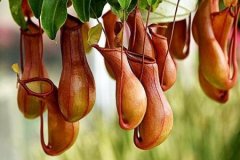
Where Is the Pitcher Plant Native To? Propagation Methods and the Digestion Principle Behind Its Insect-Eating
The main habitat of the pitcher plant is the tropical regions of Asia. Do you know about pitcher plants? Would you like to learn about them? Let's take a look together. How do pitcher plants propagate? Pitcher plants mainly propagate by "cuttings." Taking cuttings of pitcher plants is very easy, and
-
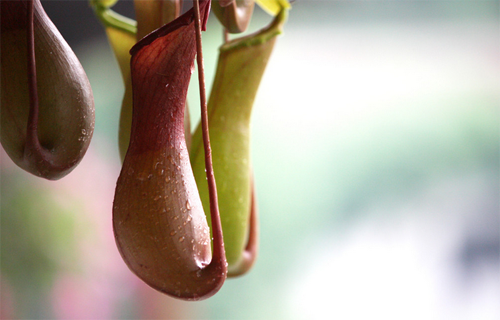
How do you prevent and treat pests and diseases of pitcher plants such as scale insects, leaf spot, and fusarium wilt?
The pitcher plant is so formidable, yet it can still get pests? Isn't the pitcher plant specifically a plant that eats insects? It can even be eaten by insects, and scale insects really are the nemesis of the pitcher plant. What pests does the pitcher plant have? How should they be handled? Fusarium wilt: the leaves and pitchers of a pitcher plant bought not long ago withered, which is usually caused by not adapting to the environment.
-
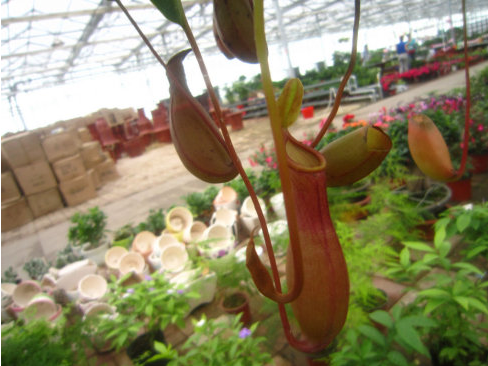
Detailed Explanation of Pitcher Plant Propagation Methods, Know the Rooting Time in Advance
The pitcher plant is a plant that everyone likes, it looks extremely beautiful, and especially, it can eat flies. What are the propagation methods of the pitcher plant? If you want to grow a few more at home, what are the steps of the pitcher plant cutting method? How long does it take to grow roots? Cut according to the bud points
-
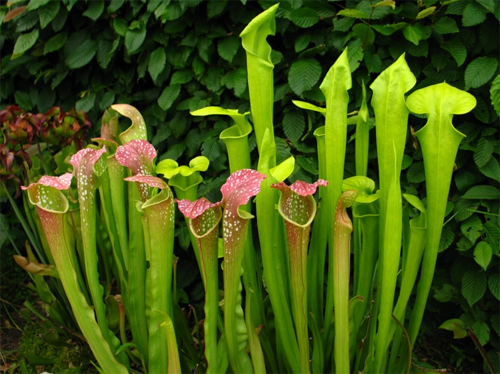
How to grow pitcher plants? Over-catching insects can cause the plant to die
Pitcher plants look just like a pitcher, complete with a lid, and this remarkable pitcher can even catch insects. If you have one at home, it is a natural insecticide, pollution-free. How do you grow pitcher plants? How to grow pitcher plants: they can tolerate high temperatures of 40°C and low temperatures of -10°C, while northern subspecies are even more cold-tolerant
-
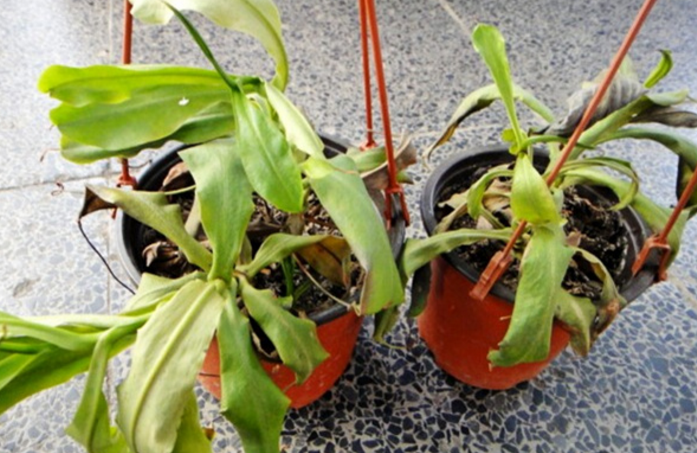
What to Do When Pitcher Plant Leaves Turn Yellow and Why the Leaves Curl
When it comes to the pitcher plant, it has a feature that many plants do not have: the pitcher plant is carnivorous. Let's take a look at what to do when pitcher plant leaves turn yellow, and why pitcher plant leaves curl: What to do when pitcher plant leaves turn yellow and withered: Water yellowness, yellowing of leaves caused by watering too frequently and too much
-
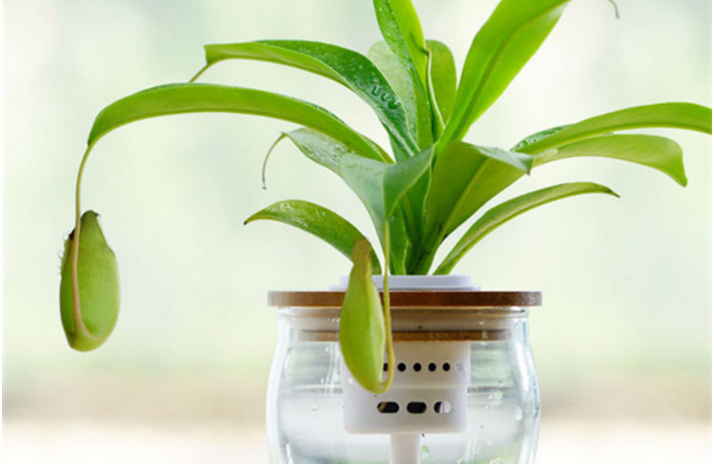
How to grow pitcher plants in water? Detailed watering methods
Nepenthes, this is a magical plant that can actually eat small insects, an attribute that many plants do not have. Let's see how to grow pitcher plants in water? How to water pitcher plants: How to grow pitcher plants in water: Materials for hydroponic preparation: a vase, which must be beautiful; the main purpose of hydroponics is to decorate the room
-
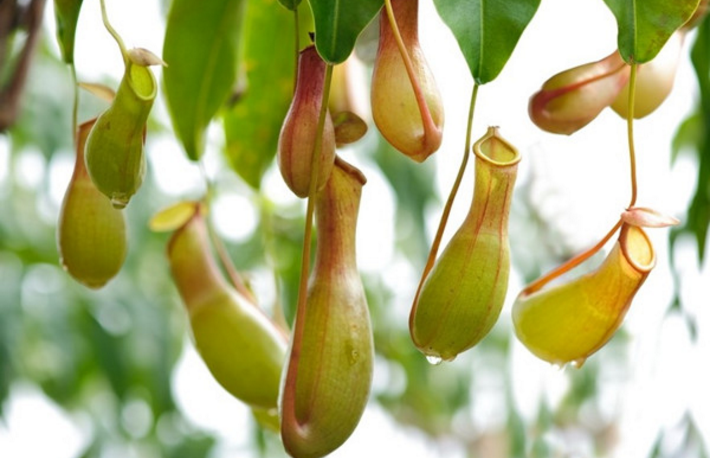
What to Do When Pitcher Plant Pitchers Wither and Turn Black? Detailed Cutting Propagation Guide
When it comes to the pitcher plant (Nepenthes), it grows in a rather cute way, and this pitcher plant also likes to eat small insects - it likes meat. Let's take a look at what to do when pitcher plant pitchers wither and turn black, and how to propagate pitcher plants by cuttings: What to do when pitcher plant pitchers wither and turn black: Normal withering, generally
-

How to Grow the Carnivorous Pitcher Plant? A Detailed Guide to Cultivation Methods
The pitcher plant is a perennial herbaceous plant. From the tip of each long oval green leaf hangs a small gourd-shaped insect-trapping pitcher. The interior of the pitcher is hollow and cylindrical, with smooth inner walls, and at the top of the pitcher there is a rust-red movable lid that opens and no longer closes once the plant matures. The pitcher is mainly green, with brown or red spots and stripes
-
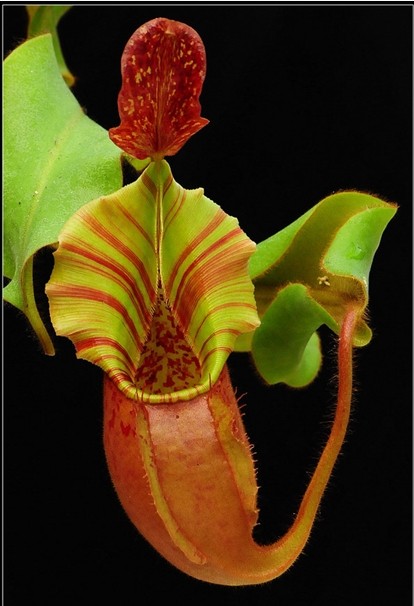
How to grow pitcher plants in pots? Master these tips and they will thrive
Pitcher plant is also known as piglet cage and insectivorous grass. It likes a warm, humid, well-ventilated semi-shaded environment. It is not cold-tolerant and fears dryness and direct strong light. The optimal growing temperature is 20-30°C, and in winter the indoor temperature must not fall below 16°C. It is suitable for loose, fertile, well-drained slightly acidic soil
-
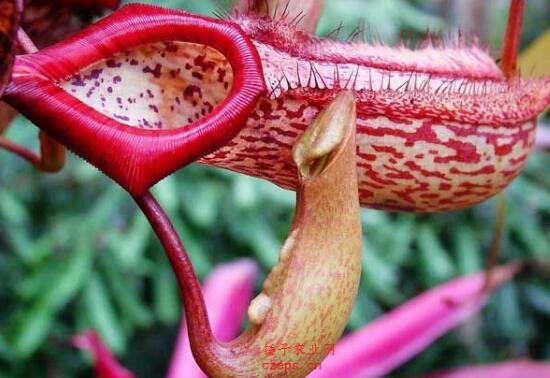
Why does the pitcher plant eat insects? Watch this video of it catching mosquitoes as nutrients
In many people's minds, animals eat plants, but amazing nature overturns all of this, because there exist plants that eat animals, and that is the pitcher plant. As a mosquito-repelling plant, the pitcher plant can prey on mosquitoes, flies and other small insects, which many people probably know. So why does the pitcher plant eat insects?
条件筛选