-
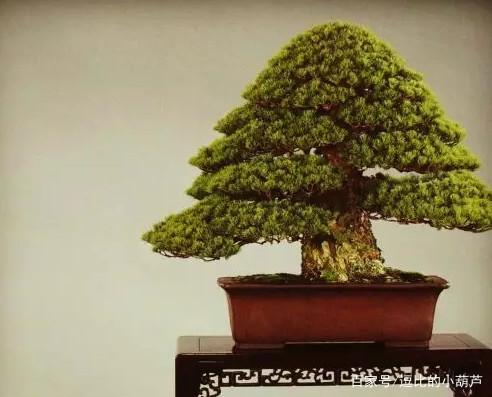
How much do you know about sourcing material for Japanese white pine bonsai?
Hello everyone, I'm Little Gourd, and welcome to read my article. Japanese white pine bonsai is a fairly common ornamental tree species in daily life, with gnarled and vigorous branches, dense foliage and short needles, and lush green color in all four seasons. Because the sourced material differs, the styling also differs...
-

The Supine Breathing Exercise Is Most Suitable for Emphysema Patients
In severe stages of emphysema, cor pulmonale, chronic bronchitis and similar conditions, patients may need bed rest and recuperation, and many fitness activities and exercises that help with recovery can only be envied from afar. The supine breathing exercise, however, fills this gap in rehabilitation for these conditions...
-
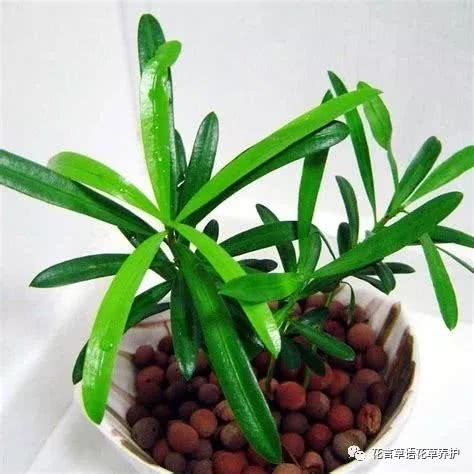
How Should You Water a Buddhist Pine? A Detailed Guide to the Correct Watering Method
The Buddhist pine (Podocarpus macrophyllus) is evergreen in all four seasons and is a fairly ornamental plant that is widely admired. But when it comes to caring for it, do you know how it should be watered? Methods for watering the Buddhist pine. When caring for the Buddhist pine, its requirements for water...
-
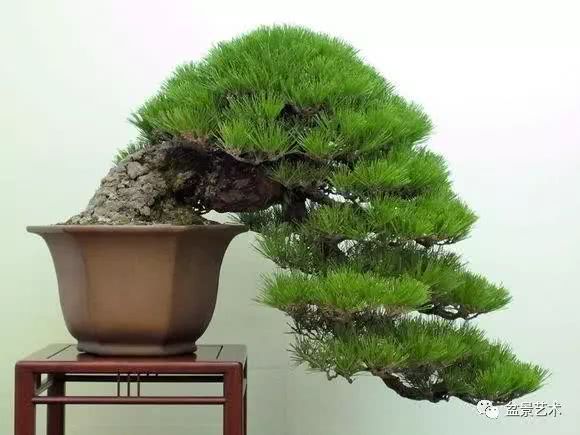
Detailed Explanation of Key Techniques for the Cultivation and Management of Chinese Pine
Chinese pine, also known as Northeast black pine and short-leaved Masson pine, is an evergreen tree distributed in Liaoning, Jilin, Hebei, Inner Mongolia, Henan, Shanxi, Shaanxi, Gansu, Shandong, Ningxia, Sichuan, Qinghai and other places. Chinese pine stays green all year round, with a vigorous...
-

The flower language of sage is family happiness and family values.
Sage is an annual herbaceous plant in the Lamiaceae family, genus Salvia. The stems are upright, the plant height is 30-100 cm, the plant grows in clumps, and the plant is covered with soft hairs. The stems are square-column-shaped, hairy, and slightly woody at the lower part. The leaves are opposite, oblong, green with obvious veins, hairless on both sides, with glandular dots on the underside. The fibrous roots are dense. The terminal raceme is up to 15 cm or more in length; the bracts are relatively small, blue-purple, wrapping the flower buds before flowering; the pedicels are densely covered with blue-purple soft hairs. The calyx is bell-shaped, blue-purple, with glandular soft hairs along the veins on the outside of the calyx. The flowering period is from June to September.
-
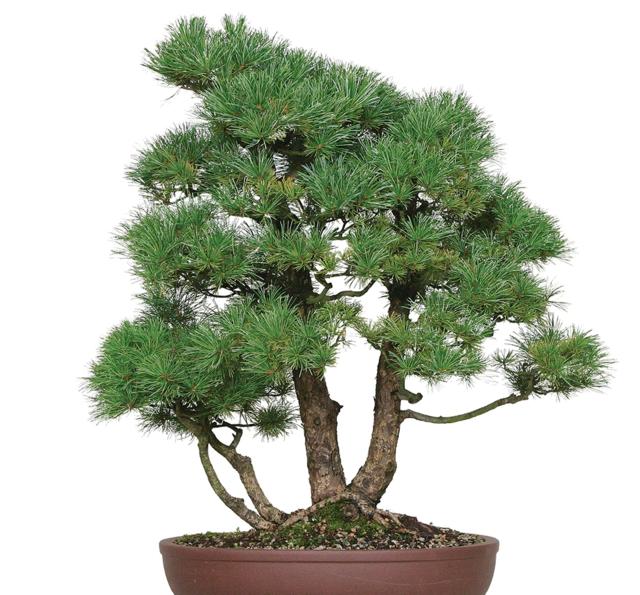
Pine bonsai was praised by the ancients as the foremost of all trees, enduring through a thousand years with noble integrity.
The pine is the foremost of all trees. With many joints and long life, bark as rough as dragon scales, leaves as fine as horse mane, it does not wither in frost and snow, nor perish through a thousand years; its noble integrity is worthy of praise. ...
-
-

Succulent Taurus in May, accompanying you to feel happiness in serene times
It's Taurus May again, warm, lush, full of vitality, brimming with all that is beautiful, life becomes something to cherish endlessly. Some say, if you fall in love with a Taurus, no matter how it ends, you will begin to understand how to...
-
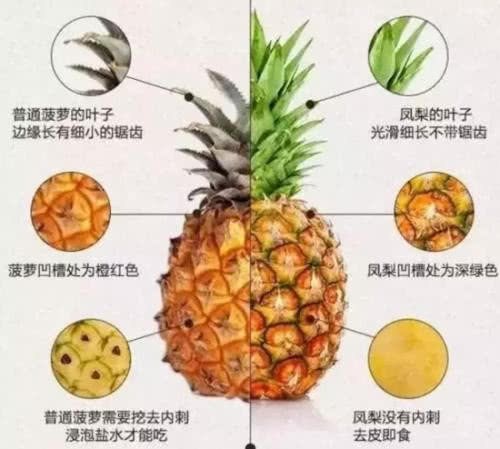
Can't tell pineapple and "fengli" apart? 3 tricks to tell them apart easily and never get it wrong again
Are there people like Hua'er who have eaten pineapple and "fengli" for years but still can't tell which one is the pineapple and which one is the "fengli"? A few days ago, Hua'er asked a friend who sells fruit to find out, and today I'll share with everyone 3...
-
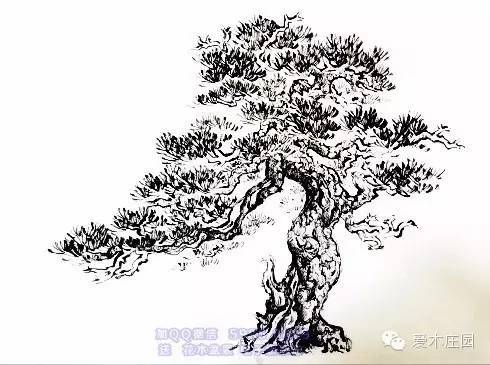
Complete collection of pine and cypress bonsai design drawings, these shapes are worth collecting
Whether a bonsai work succeeds or not is directly related to the quality of its concept. There are generally two situations for the concept of a bonsai. One is that the author's emotions are stimulated by the outside world, or inspired by something, thus generating the motivation to create. ...
条件筛选