-

Five Key Measures for High-Yield Cultivation of Pinellia ternata
Pinellia ternata, also known as three-leaf pinellia, three-step jump, and hemp jade fruit, uses its tubers for medicinal purposes and is a commonly used Chinese medicinal herb. To achieve high yield in artificial cultivation of Pinellia ternata, the following measures must be taken: 1. Pre-planting sprouting, mulching during seedling stage. Pinellia ternata is generally sown in spring from February to April. Since temperatures are relatively low at this time and seed tubers sprout slowly, seed tubers should be pre-sprouted before planting. Sprout indoors using a hotbed, maintaining the sprouting temperature at around 20°C, and sprouts will emerge in 15 days; alternatively, build a plastic shed outdoors for sprouting at 20-25°C, treating continuously for 15
-
Detailed Explanation of Key Points for High-Yield Cultivation Techniques of Pinellia ternata
Site Selection and Land Preparation Pinellia ternata prefers a warm, humid environment. It is best to choose loose, fertile, moist sandy loam with irrigation and drainage conditions, with a soil pH of 5.5-6.8. Pinellia ternata likes fertilizer, so before sowing, while preparing the land, apply base fertilizer. Apply 2500-4000 kg of decomposed organic fertilizer or farmyard manure and 15-20 kg of superphosphate per mu as base fertilizer, plow 20 cm deep, harrow finely and level, and make beds 1 m wide. The length should not exceed 20 m to facilitate irrigation and drainage. In production, tubers and bulbils are mostly used for propagation. Seedling raising from seeds or
-
Four key points to grasp in winter management of Pinellia ternata
1. Check the seed tubers: Normally, the tubers of Pinellia ternata begin to take root and sprout about half a month after planting. Sometimes, due to low temperatures, tuber rot may occur, so the growth of the seed tubers should be checked in a timely manner. For spots where sprouts have still not emerged, the soil can be gently scraped open by hand or with a bamboo strip, wooden stick, etc. Any seed tubers that have not rooted or whose rootlets are yellow-black are inferior and should be dug out and replanted in a timely manner. 2. Prevent waterlogging and drought: If continuous overcast and rainy weather occurs in winter, the soil is prone to waterlogging and oxygen deficiency, which is not only unfavorable for the tubers of Pinellia ternata to take root underground, but also causes disease and rot. Therefore,
-
Detailed Explanation of Key Points for Cultivating Pinellia ternata (Ban Xia)
Site Selection and Land Preparation: Pinellia ternata is cold-tolerant and prefers loose, fertile sandy or semi-sandy soil, though ordinary soil will also do. Before plowing, apply 100-150 kg of phosphorus and potassium fertilizer per mu, plow deeply and harrow thoroughly, and make beds running east to west. Propagation Method: Propagate by tubers. Using a seed drill, open furrows at a row spacing of 21-24 cm with a furrow depth of 4-6 cm, plant the seed corms at a plant spacing of 5-7 cm, then cover with soil and level with a drill hoe, and push over twice with a large hoe. If the soil is moist, watering may be omitted; after the seedlings emerge, water lightly as appropriate depending on soil moisture. Field Management: Within the beds, interplant
-
Detailed Guide to Pinellia ternata Cultivation: Planting Methods and Management Essentials
Pinellia ternata is also known as three-leaf pinellia, three-step jump, hemp jade fruit, swallow tail, and other names. It belongs to the genus Pinellia in the Araceae family. Pinellia is a commonly used traditional Chinese medicine, with its tubers used medicinally; it has functions such as drying dampness and resolving phlegm, and directing qi downward to stop vomiting. Raw pinellia is toxic. It is mainly produced in the provinces along the Yangtze River basin, and is now cultivated nationwide. 1. Habits: A perennial herbaceous plant, 15-30 cm tall. The tuber is spherical or flattened spherical, with a spadix inflorescence. Male flowers grow on the upper part, female flowers on the lower part; it is monoecious. The flowering period is May to July, and the fruiting period is June to September. Pinellia ternata prefers humid conditions
-
Why interplanting dry Pinellia ternata in fruit orchards is highly profitable
Dry Pinellia ternata is best suited for interplanting in fruit orchards, because it prefers shaded environments. During hot seasons with direct sunlight, the plants are prone to lodging (seedlings turn yellow, wither and shrink), causing tuber growth to stop. In the hot summer, the lush foliage of fruit orchards serves as a natural protective umbrella that provides shade during the vigorous growth period of dry Pinellia ternata, offering favorable conditions for normal tuber growth. Interplanting dry Pinellia ternata in each mu of fruit orchard can yield about 120 kg of dried product, and its cultivation benefit increases by 3-5 times compared with interplanting conventional crops. 1. Sowing. Spring March-May
-
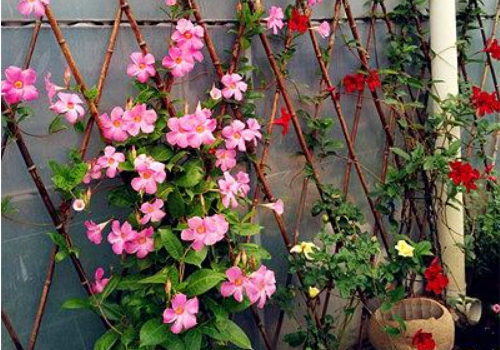
Solutions for Mandevilla Losing Leaves and How It Differs from Double Happiness Vine
There is also a plant in daily life called Double Happiness Vine, and the two look very similar in appearance. What should you do when Mandevilla loses leaves? And how does it differ from Double Happiness Vine: 1. Lack of water: when the water shortage is severe, leaf drop will occur, but before the leaves fall, their edges will gradually turn yellow
-
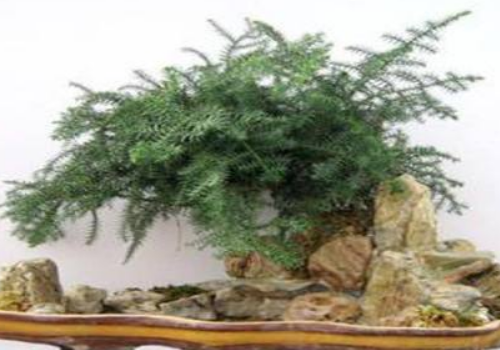
How to Grow and Shape a Potted Norfolk Island Pine
The Norfolk Island pine (Araucaria cunninghamii) is highly ornamental and is now often used for bonsai. How do you grow a potted Norfolk Island pine? How do you shape it? How to grow a potted Norfolk Island pine: 1. When first transplanting it into a pot, take the Norfolk Island pine out of its original pot and remove a certain amount of soil from the bottom upward, but do not remove it all, so as not to damage the roots.
-
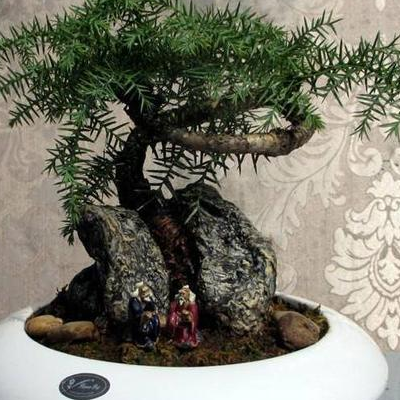
What to Do When Australian Pine Leaves Turn Yellow, Wither, or Grow Too Long
The Australian pine (Norfolk Island pine, Araucaria heterophylla) is a plant, a super beautiful potted plant, really lovely. What should you do when its leaves turn yellow and wither? What should you do when its leaves grow too long? What to do when Australian pine leaves turn yellow and wither: The Australian pine likes a warm and humid environment, and the care environment should maintain good shade tolerance.
-
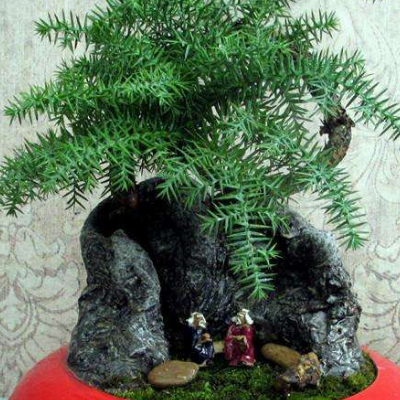
Australian Pine (Norfolk Island Pine) pruning methods and root rot solutions
The Australian Pine (Norfolk Island Pine) is an excellent bonsai plant and is also suitable for growing at home, so how do you prune an Australian Pine? What should you do if the Australian Pine gets root rot? How to prune an Australian Pine: prune according to its habits. First, let's talk about the growth habits of the Australian Pine, because no matter how we prune
条件筛选