-
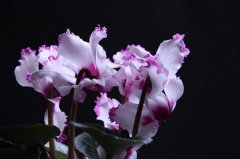
Control Methods for Phytophthora Blight, a Disease of Cyclamen Pests and Diseases
An introduction to the symptoms and control methods of Phytophthora blight, a disease of cyclamen pests and diseases. Symptoms: the heart bud and the base of the plant are affected. In the early stage of infection, the plant's leaves droop, the petiole and peduncle tissue near the tuber fade and become constricted, and the leaves and flowers wilt and fall over. The heart bud turns brown and withers. The underground tuber
-
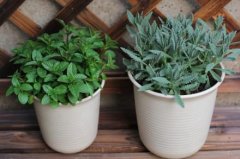
Symptoms and control methods of stem blight, Phytophthora blight and southern blight in herb plants
Since herb plants were introduced from abroad by horticultural growers, they have been used not only as seasoning for meals, but also brewed into herbal drinks, or made into herbal bath products. Various forms of use have blended into the daily lives of the general public and are gradually becoming popular. In addition to
-

What season is cucumber a vegetable of? Solutions for pesticide phytotoxicity
Cucumbers are crisp and tasty, and can be eaten raw or stir-fried, both ways taste very good, and they are deeply loved by consumers. Cucumber is also one of the foods favored by people who are losing weight, low in fat and highly satiating. Cucumbers are planted in all parts of our country. Let us take a look below at whether cucumbers are
-
How to remedy phytotoxicity after fosthiazate application
Fosthiazate is an insecticide that can inhibit the synthesis of acetylcholinesterase in root-knot nematodes, thereby achieving the effect of controlling aphids, root-knot nematodes and other pests. If used improperly during spraying, phytotoxicity can occur, so what should be done about fosthiazate phytotoxicity? 1. What should be done about fosthiazate phytotoxicity
-
A Detailed Guide to the Prevention and Treatment of Common Pepper Diseases and the Methods of Applying Pesticides
Abstract Phytophthora blight: use fostyl-aluminium and mancozeb wettable powder for prevention and treatment. Viral disease: use zhibingling emulsion and duqing aqueous solution for prevention and treatment. Root rot: use sulfur suspension concentrate, thiophanate-methyl, carbendazim wettable powder, and shuangxiaoling aqueous solution for prevention and treatment. Gray mold: use procymidone wettable
-
Symptom Identification and Control Methods of Cucumber Phytophthora Blight
Cucumber (scientific name Cucumis sativus Linn, English name Cucumber), a plant of the genus Cucumis in the Cucurbitaceae family. Also called hu gua and qing gua. The fruit is oily green or emerald green, with soft small spines on the surface. It is widely cultivated throughout China and is now widely grown in temperate and tropical regions.
-
What are the control methods for apple Phytophthora fruit rot?
This spring, the temperature in my area was lower than usual and there was more rain than usual, causing severe outbreaks of apple Phytophthora fruit rot. Apple Phytophthora fruit rot, also known as apple Phytophthora disease, can harm apple fruit; the skin of affected fruit first looks as if scalded by hot water, then turns brown, and the flesh rots. It can also attack the tree
-
Control Methods for Phytophthora Disease in Fig Cultivation
Fig Phytophthora disease is an important disease of figs in suburban areas in recent years, occurring commonly and causing serious damage. In years when the disease is epidemic, 80%-90% of the fruit can be affected and rot, and large numbers of branches and leaves wither. [Symptoms of damage] The disease mainly damages fruit, new shoots and leaves, and can also infect buds.
-
Occurrence Characteristics and Control Measures of Sesame Phytophthora Blight
Sesame Phytophthora blight is a devastating disease. It mainly affects the base of the sesame stem, the stem, the capsules and the leaves. After the stem base is affected, it initially appears dark green and water-soaked, then turns reddish brown, sunken, with longitudinal cracking of the cortex. After the stem and capsules are affected, the diseased parts appear dark green and water-soaked,
-
Control Methods for Phytophthora Blight in Lily Cultivation
Symptoms: The whole plant (including floral organs, leaves, stems, stem base, bulbs, roots) can be affected. Infected floral organs wither and fade, with white mold-like growth appearing on them; leaves initially show water-soaked spots, then wither; stem and stem base tissues initially show water-soaked lesions, then turn brown
条件筛选