-
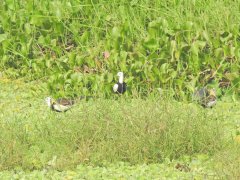
The habitat of the pheasant-tailed jacana reflects the current state of agricultural conservation, and the crisis of population aging is severe
In March this year, media reports pointed out that a green energy company was lobbying farmers in the Guantian area to lease their farmland as sites for installing solar photovoltaic panels, offering an annual rent of 40,000 yuan (higher than the going rate of 6,000 yuan per fen) on 20-year leases to attract farmer landowners to join; some
-

How to Raise Pheasant Chicks? A Detailed Guide to Breeding Techniques and Precautions
Pheasant, also called mountain pheasant, is a relatively rare type of poultry, a valuable wild game bird that combines meat use, ornamental value and medicinal use in one. It may be relatively uncommon in everyday life, and indeed very few people currently raise pheasants artificially. Due to the promulgation of the national Spark Program
-
What Do Pheasants Eat? A Detailed Guide to Pheasant Rearing Methods
Chickens are a fairly common type of poultry in daily life, and they come in many varieties, one of the most popular being the pheasant. Pheasants differ from ordinary chickens in that their meat has a better texture and higher nutritional value, which is why they are so well liked by consumers. Now
-
Ring-necked Pheasant Chick Breeding Techniques and Rearing Precautions
Ring-necked pheasants need a regular supply of water and feed every day, with clean and sufficient drinking water kept available at all times, and careful observation, so that diseases are promptly isolated and treated with medication; the pens should be cleaned every day and the pheasant house kept as dry and clean as possible. So some people will ask: how
-
A Detailed Guide to Ring-Necked Pheasant Farming Techniques and Management Methods
Seeing many news reports saying that so-and-so became rich by farming ring-necked pheasants, are you paying attention to how to raise ring-necked pheasants? Below, the editor will briefly discuss the farming techniques for ring-necked pheasants. Housing and breeding of ring-necked pheasants: Pheasant houses should be built on dry, gentle, sunny and wind-sheltered sandy soil in a good environment that drains easily. Use open-style pheasant houses, with an open-air fenced exercise yard in front of the house; the exercise yard area should preferably be — times that of the pheasant house. For open-range free-range pheasants, install perches inside the house; perches can be either vertical frames or flat frames.
-
What kind of environmental conditions does pheasant farming require?
Pheasant The ground of the pheasant exercise yard should have a certain slope to help with drainage, the ground should be level, and it is best to make it a concrete floor for easy cleaning. Around the exercise yard, brick pillars about 1.8 m high can be built, and netting can be added on top and around the sides. The netting can be wire mesh, or nylon netting can be used instead. When installing the netting, a low wall base 30-100 cm high can be built around the perimeter, and then the netting installed on it. This can both extend the service life of the netting and make the exercise yard neat and attractive.
-
What are the precautions for raising pheasants in winter?
The pheasant, also known as the common pheasant, rainbow pheasant, mountain pheasant, etc., is a valuable wild game bird that combines meat, ornamental and medicinal uses: Food value: pheasant meat is tender and delicious, with a strong game flavor; its protein content is as high as 40%, 2.5 times that of ordinary chicken and pork, and its fat content is only
-
How to manage pheasants during the brooding period? Keep these precautions in mind
The pheasant, also known as the common pheasant, rainbow pheasant, mountain pheasant, etc., is a valuable wild game bird combining meat, ornamental and medicinal uses: Food value: pheasant meat is tender and delicious, with a strong game flavor; its protein content is as high as 40%, 2.5 times that of ordinary chicken and pork, and its fat content is only
-
How to Fatten Pheasants? Detailed Methods and Key Technical Points
The pheasant is an omnivorous bird that likes various insects, small amphibians, grains, beans, grass seeds, tender green leaves, and so on. Artificially raised pheasants can be suited to large-group rearing environments. Pheasants have high economic value; their meat is tender and delicious with a strong game flavor, and their protein
-
Sharing Experience and Methods for Pheasant Brooding
The so-called pheasant generally refers to the ring-necked pheasant. Pheasant brooding is like the infant stage of a child; the importance of this period goes without saying. In fact, if you master the techniques well, brooding work is relatively simple. Generally, you mainly need to focus on heat preservation, feeding
条件筛选