-

How to Propagate Leptospermum scoparium by Cuttings and How to Fertilize It
Leptospermum scoparium is relatively uncommon in everyday life, so many people are unfamiliar with it. Leptospermum scoparium is a shrub introduced to China from abroad. Its flowers look somewhat similar to plum blossoms but are smaller and more delicate, while its leaves closely resemble pine needles, hence the name
-
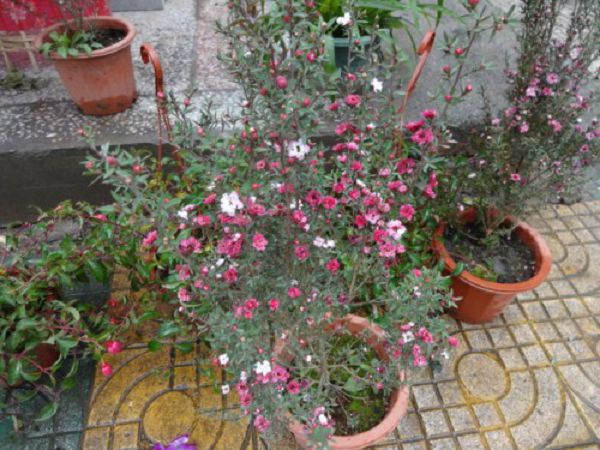
Is Leptospermum scoparium easy to grow? Teach you the correct care methods
Is Leptospermum scoparium easy to grow? How do you grow Leptospermum scoparium?
-
-
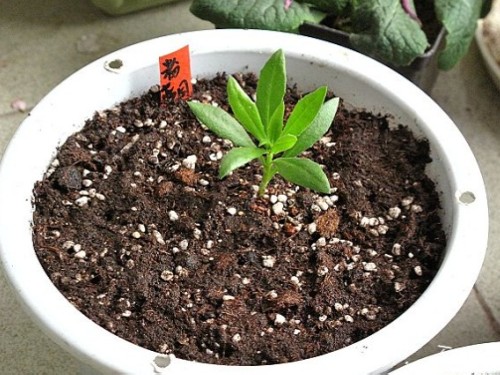
How to propagate the potted blue-eyed daisy (osteospermum) by cuttings? A detailed guide to the method
Someone online says this: the blue-eyed daisy roots very easily from cuttings, and you have to pinch it often, otherwise it shoots up very tall and then flops over, which looks ugly. Just stick the pinched tips in to root, and you can root a lot of them. It also comes in many colors, well worth growing! Use a white plastic pot, put a little yellow sand in the bottom for rooting, cover the top with clear glass, and give it indirect light. It roots very easily
-
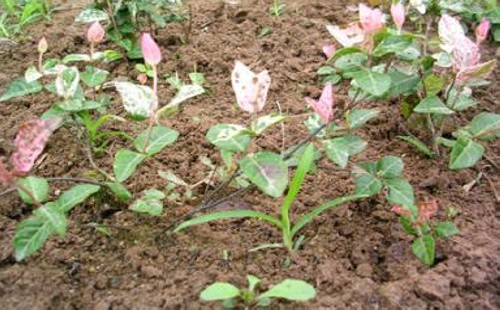
How to propagate star jasmine (Trachelospermum jasminoides 'Variegatum') by cuttings? Detailed cutting methods and steps
Variegated star jasmine is a typical foliage plant, and its ornamental effect is at its best when leaf colors such as red, pink, pure white, mottled patterns and green are displayed in a mix. Therefore, in the process of growing variegated star jasmine, we need to do every step well, especially the care and management work
-
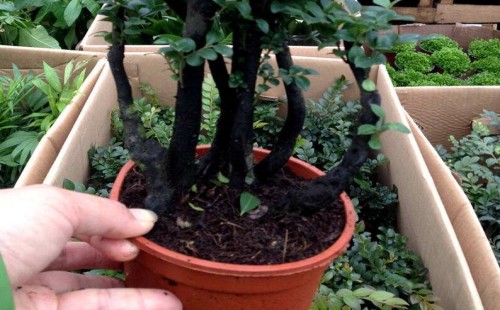
How to water a Black Bone Tea (Leptospermum scoparium) bonsai correctly after potting
Repotting Black Bone Tea includes transplanting seedlings into pots, potting old stumps, and potting during repotting. But whether we are newly potting or repotting Black Bone Tea, we must carry out the operation in accordance with scientific and standardized practices. In order for the Black Bone Tea bonsai tree to smoothly recover and adapt to the pot after potting, in addition to standardized operation
-
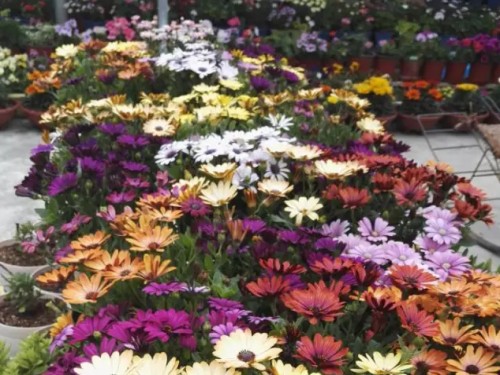
Blue-eyed daisy (osteospermum) growing methods and precautions
The blue-eyed daisy is a beautiful ornamental plant, also known as the African daisy and the large-flowered blue-eyed daisy. It is native to South Africa and is not cold-tolerant. It dislikes heat, prefers sunny environments, and does best in well-drained soil. The blue-eyed daisy comes in a rich range of colors, including white, light purple, deep purple and many others, and can be used in flower borders or as cut flowers.
-
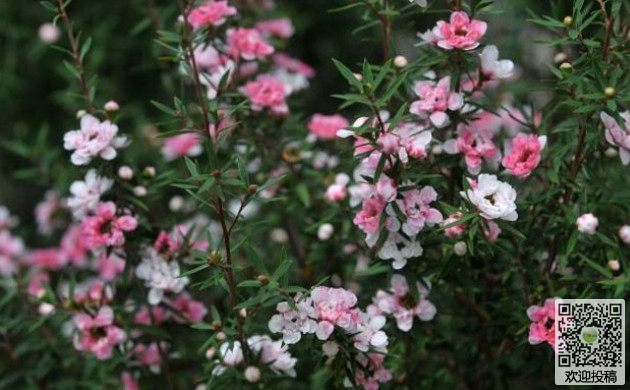
How to grow Leptospermum scoparium? Detailed guide to cultivation methods and precautions
The leaves of the manuka are like pine needles and the flowers are like red plum blossoms; because its double flowers resemble peonies, it is also called "pine peony." Its flowers are not large, but they are beautiful and have ornamental value as well as certain medicinal value. Below, the editor introduces the cultivation methods and precautions for Leptospermum scoparium.
-
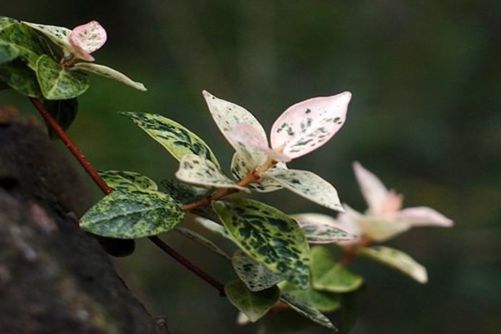
How to grow star jasmine (Trachelospermum jasminoides 'Variegatum')? Remember these few points, and its leaves will be more beautiful than its flowers and can be enjoyed year-round
How to grow star jasmine (Trachelospermum jasminoides 'Variegatum'): First of all, star jasmine is one of the tree species developed in Japan for landscaping. Its cultivation and propagation are relatively simple. At any time of the year, we can choose to propagate it by cuttings
-

Causes and Solutions for Yellowing and Dry, Withered Leaves on Leptospermum scoparium
More and more flower lovers are now won over by Leptospermum scoparium. Its flowers are very beautiful and semi-double. Leptospermum scoparium prefers a cool, moist environment with plenty of sunlight and dislikes hot, humid climates, making it relatively difficult to care for.
条件筛选