-

The Pathogenesis and Control Methods of Peach Tree Gummosis
Peach tree gummosis is a disease commonly occurring on peach trees today, and its incidence is severe. Especially in peach orchards with extensive management and weakened tree vigor, the rate of affected plants can reach over 90%. This disease severely weakens tree vigor, affects yield and quality, and in severe cases leads to dead branches and dead trees, threatening the production and development of peach trees. It is also one of the most troublesome diseases for fruit growers. I. Causes of peach gummosis. There are two causes of peach gummosis: one is non-infectious pathogens, such as gummosis caused by wounds from mechanical injury, pest and disease damage, frost damage, freeze injury, etc., or gummosis caused by physiological disorders of the tree body resulting from extensive management
-
What causes encephalopathy in chickens?
Encephalopathy in chickens refers to diseases caused by damage to the brain tissue of chickens. The main manifestations are various neurological symptoms, such as head and neck tremors, ataxia, paralysis of the wings and legs, twisted neck, and circling. The causes are diverse, including bacterial, viral, metabolic, and toxic factors. It is caused by Escherichia coli invading the brain tissue. Necropsy shows soybean-sized grayish-white necrosis in the posterior part of the cerebral hemispheres, with depression. Clinical symptoms include head and neck tremors, unstable standing, and so on. For diagnosis, aseptically
-
Detailed Explanation of the Pathological Lesions of Chicken Infectious Anemia
The most characteristic necropsy lesion of uncomplicated chicken infectious anemia is bone marrow atrophy. The bone marrow of the femur is fatty-colored, pale yellow, or pink; the thymus is atrophied and congested, and in severe cases may undergo complete involution. As the age of affected chickens increases, thymic atrophy is more readily observed than bone marrow lesions. Bursal atrophy is not obvious and is often transient; sometimes the weight is reduced and the volume is decreased, while in most affected chickens the bursa of Fabricius appears semi-transparent. In severely affected cases, the liver and kidneys may be seen to be enlarged, yellowed, and friable. Hemorrhage of the proventricular mucosa and subcutaneous and muscular hemorrhages are sometimes observed.
-
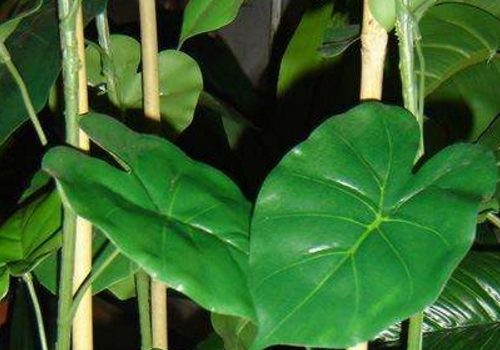
Why does Alocasia macrorrhizos get root rot and how is it different from Spathiphyllum
Alocasia macrorrhizos, many people have seen it, they just don't know its name. Why does Alocasia macrorrhizos get root rot? How is it different from Spathiphyllum? Why does Alocasia macrorrhizos get root rot: 1. Root rot in soil-grown Alocasia macrorrhizos is mainly caused by the potting soil being too wet. When the potting soil is too wet, the rhizomes of Alocasia macrorrhizos easily rot. The cause of overly wet potting soil may be that you watered too much, leading to water accumulation in the pot, or it may be that the soil is highly clayey, has poor aeration, and easily retains water on its own.
-
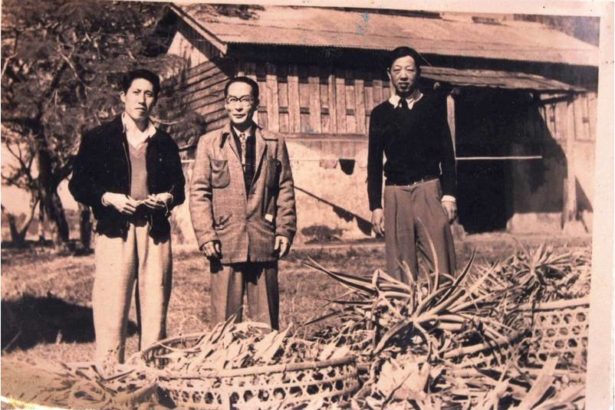
Sun Shougong used a magnifying glass to develop Sun-Huang microbial control materials and protect Taiwan's plant pathology
A lifelong legend in the field of plant pathology, Sun Shougong guarded Taiwan, China with a magnifying glass and developed "Sun-Huang" to launch microbial control materials
-

Rural tourism broadens the path for farmers to increase income and become prosperous
Rural tourism broadens farmers' path to prosperity
-
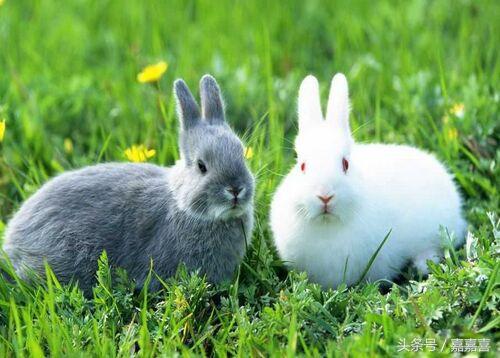
Rex rabbit farming opens a path to wealth: small rabbits bring big returns
A path to wealth, with rex rabbits leading the way
-

Who is the entrepreneurial pathfinder to prosperity in Fanjiachuan Village?
The pathfinder of entrepreneurship and prosperity in Fanjiachuan Village
-
Combining Planting and Breeding Helps Returning Farmers Find a Path to Prosperity
"Combining Planting and Breeding" Leads Returning Farmers onto the Road to Prosperity
-
条件筛选