Prevention and Control of Porcine Dermatitis and Nephropathy Syndrome: Red Small Spots Turn Black and Expand into Papules
In spring and summer, growing pigs and nursery piglets in most pig farms often develop porcine dermatitis and nephropathy syndrome. Affected pigs show acute red, pink, or even purpuric skin rashes, but these are clearly different from sarcoptic mange dermatitis, exudative dermatitis, and swine pox, and treatment with deworming drugs such as ivermectin and avermectin is ineffective.
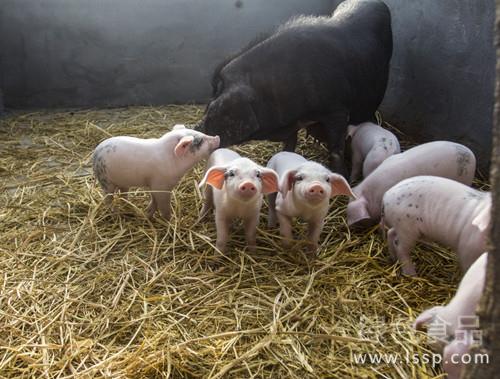
Pig
1. Clinical symptoms:
The skin of diseased pigs shows scattered spotted papules, initially red small spots, which then develop into red, purplish-red round or irregular raised areas, and gradually turn black from the center and expand into papules, with the lesions often appearing in plaques. The lesions mainly occur on the back, buttocks, and both sides of the trunk, and can extend to the abdomen and limbs. In severe cases, the lesions cover the whole body. In pig farms with severe external parasite (Sarcoptes scabiei) infestation, the symptoms of this disease are relatively more obvious; some pigs develop fever, often huddle together, show lameness, reduced appetite, gradual emaciation, conjunctivitis, yellow watery diarrhea, rapid breathing, and may even die of exhaustion after secondary infection with other diseases.
2. Prevention and control measures:
(1) Strengthen ventilation in pig houses, reduce the temperature and humidity of growing and nursery pig houses, and appropriately reduce the stocking density of the pig herd, which can relatively reduce the incidence of this disease. Use compound aldehyde disinfectants to strictly disinfect the pig farm environment and pig houses, and spray the affected areas of diseased pigs, 1 to 2 times a day for 5 to 7 consecutive days, which has a good effect. Also carry out mosquito control on the pig farm regularly.
(2) During muggy weather, weaning, immunization, and herd transfer, add multivitamin preparations to drinking water to enhance body condition and reduce stress. Do a good job of deworming the pig herd, and add compound deworming drugs to the feed to eliminate the harm of Sarcoptes scabiei.
(3) Add mycotoxin treatment agents. During periods of high incidence of this disease and in the rainy season or high-humidity season, mycotoxin treatment agents should be added to pig feed. General mycotoxin adsorbents can only adsorb aflatoxin, so it is best to choose some new broad-spectrum mycotoxin treatment agents, which can not only degrade mycotoxins but also adsorb multiple mycotoxins and promote pig herd growth, enhance liver detoxification function, prevent mycotoxins in feed from harming pig health, and eliminate an important factor inducing porcine dermatitis and nephropathy syndrome (PDNS).
(4) Adopt a complete drug prevention plan to control secondary bacterial infections in the pig herd. Commonly used drugs: doxycycline, tylosin, amoxicillin, etc. Sows should be medicated preventively 1 week before and after farrowing, and piglets should be medicated preventively before and after weaning and during the suckling stage.
(5) For pigs with relatively severe symptoms, inject ceftiofur or long-acting doxycycline, dexamethasone, and other injections, and temporarily suspend vaccination against swine foot-and-mouth disease, swine pasteurellosis, erysipelas, and other vaccines, and resume vaccination after the epidemic is controlled.