How Large-Scale Poultry Farms Can Prevent Pathogenic Avian Influenza
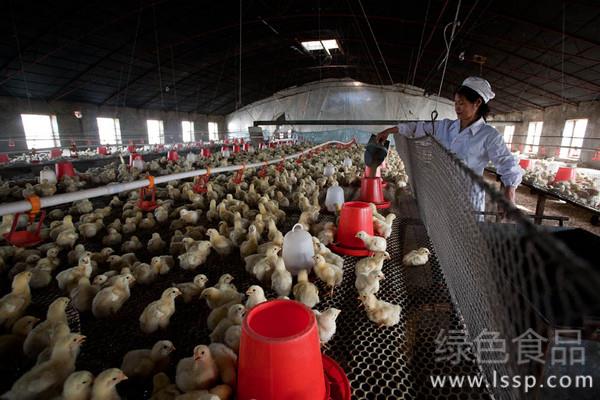
Poultry Farms
Highly pathogenic avian influenza is an infectious disease of poultry caused by type A influenza virus, producing a range of symptoms from respiratory system involvement to severe systemic septicemia. It has a short incubation period and strikes abruptly; infected poultry show high morbidity and high mortality. Winter is the peak season for avian influenza, and large-scale poultry farms should adopt the following main measures to prevent it:
First, strictly implement and improve routine biosecurity measures on the farm
One: set up isolation belts between the three major functional zones - the living area, the production area and the contaminated area - and carry out strict disinfection.
Two: poultry farms must operate under closed management. Keepers must live on the farm. Production personnel, including keepers, feed-mixing staff and veterinarians, must wear work clothes, work shoes and hats when entering the production area. Work clothes, work shoes and hats should be cleaned and disinfected regularly and must not be worn outside the production area.
Three: a disinfection pool must be set up at the main gate of the farm and managed by a designated person. The disinfectant in the pool must be replaced and replenished regularly to maintain the disinfection concentration, and the disinfection of people and vehicles entering and leaving must be supervised.
Four: establish a biosecurity system. Vehicles carrying feed and equipment must use the clean route, while vehicles carrying chicken manure, live chickens and sick chickens must use the dirty route. In poultry farm operations, close contact between domestic poultry and wild birds should be avoided as much as possible, especially contact with wild ducks and other wild birds, as this is of great significance for preventing the introduction of highly pathogenic avian influenza virus.
Five: do a good job of disinfecting the houses and sheds. After a flock is sent to market or moved to another house, an empty-house disinfection system must be carried out. Especially on chicken farms where avian influenza has occurred, the sheds must first be cleaned out, then thoroughly washed with water. After washing clean, aldehydes, chlorine-containing disinfectants, phenols, oxidising agents and alkalis can all kill the virus in the environment. During disinfection, the floor, the netted floor and the chicken house door must all be sprayed. After disinfection, the empty period must be no less than one week. Each batch of chickens entering the house must follow the all-in, all-out method, and mixed rearing is absolutely not allowed. During the rearing period, disinfection with chickens present must be carried out in the sheds. The hatchery must be disinfected 1-2 times per week, and the fattening houses and breeder houses once per week, using highly effective, low-toxicity disinfectants.
Second, effectively carry out vaccination work and raise the effective immune coverage of the flock
Targeted vaccination during specific periods is a key measure for defending against avian influenza outbreaks and epidemics. Because avian influenza has many serotypes and cross-protection is poor, when vaccinating, poultry farms must select vaccines against the subtypes prevalent in their local area in order to achieve good immune results. At present, inactivated vaccines are generally used for immunisation; our country mainly uses avian influenza vaccines that prevent the H5 and H9 subtypes. Before injection, first check the vaccine's expiry date to see whether it is within the valid period; second, check the quality of the vaccine to see whether it has deteriorated or formed sediment. For flock vaccination, suitable vaccines and timing must be chosen according to the disease occurrence and prevalence situation in the local area and on the farm. At the same time, antibody monitoring must be strengthened to decide the interval for the second dose of each vaccine or whether additional vaccination is needed.