-

Are Heartleaf Ice Plant and Andrographis paniculata the same plant? What is the difference between the two
The relationship between Heartleaf Ice Plant and Andrographis paniculata is not complicated. The reason some flower lovers cannot tell them apart is entirely due to confusion caused by common names, because in many places Heartleaf Ice Plant is called Andrographis paniculata, so flower lovers get very confused. This article simply lists the relationship between Heartleaf Ice Plant and Andrographis paniculata. Must-read first
-
Detailed Explanation of the Planting Methods and Cultivation Techniques for Symplocos paniculata (with pictures)
The Symplocos paniculata tree, also known as grey wood, seed-broken tree, Wuyu, Zimu, fence firewood, etc., is a deciduous shrub or small tree of the genus Symplocos in the family Symplocaceae. It is widely distributed in northeastern China and areas south of the Yellow River, and is especially common in the provinces south of the Yangtze River basin. It has the advantages of tolerance to drought and barren soil, a well-developed root system, strong sprouting ability, and easy propagation.
-
How to grow Orange Jasmine (Murraya paniculata)? Care tips and bonsai appreciation
How to grow Orange Jasmine, Orange Jasmine bonsai appreciation
-

Gypsophila paniculata Propagation Techniques and Pest and Disease Control Methods Explained in Detail
Gypsophila paniculata is a flower very much loved by women, with large market demand and good market prospects. It is often used for cut flowers or dried into dried flowers. So how do you control pests and diseases when growing Gypsophila paniculata? Below, the editor will tell you.
-

How to grow Murraya paniculata? Key points for potted Murraya paniculata care
Some people say Murraya paniculata is as fragrant as osmanthus. Is its scent really that strong? I think each has its own floral fragrance characteristics. It has a beautiful tree shape, stays evergreen all year round, bears pure white and intensely fragrant flowers, and bright eye-catching red fruits. It is an excellent bonsai material.
-

A Detailed Guide to Murraya paniculata Planting Techniques and Care Methods
Murraya paniculata, just like its name suggests, is an aromatic plant that can keep a room filled with a long-lasting, rich fragrance. It is mostly propagated by seeds, cuttings, and layering. Generally, Murraya paniculata is planted in the rainy season, and it grows best at around 20-23 degrees. It cannot withstand severe cold and may freeze to death below 0°C.
-
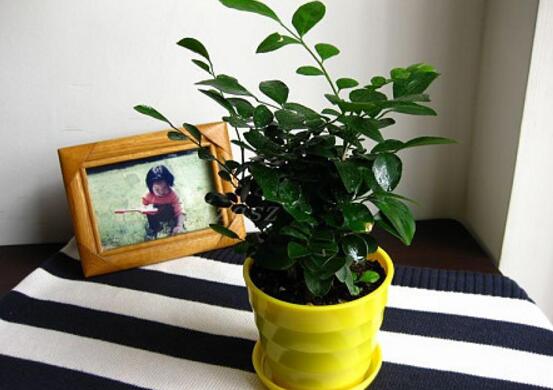
How to propagate Murraya paniculata? Three propagation methods, with layering offering a high survival rate
Murraya paniculata, an ornamental plant with a graceful form and a rich floral fragrance, is deeply loved by gardening enthusiasts. And because Murraya paniculata has many effects and uses, especially its medicinal value in treating various diseases, it has been widely propagated. So how do you propagate Murraya paniculata? According to what I know
-
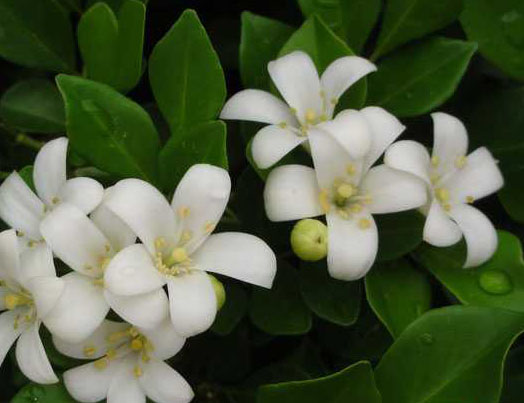
What are the main measures for making Murraya paniculata bloom abundantly with a strong fragrance?
Murraya paniculata, also known as qianlixiang and yueju, is an evergreen shrub or small tree. Its small cymes are terminal or axillary, white, with an extremely strong fragrance and strong diffusion, and the flowering period is in autumn. To make its fragrance spread far, pot cultivation should use sandy soil rich in humus, loose and fertile. During the young tree stage, change the pot once every year in early spring.
-
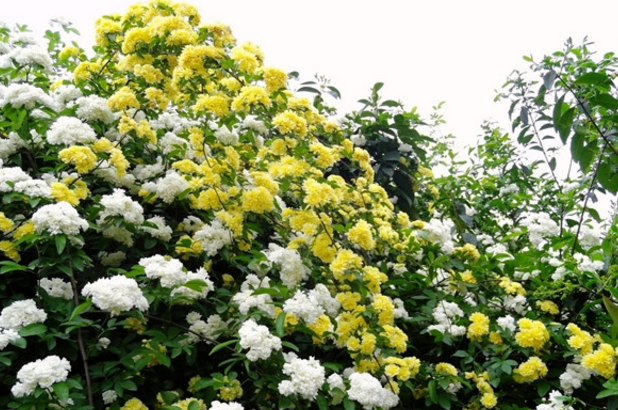
How to grow Orange Jessamine (Murraya paniculata) and things to note, and when does it bloom?
Orange Jessamine is famous for its fragrance, with a rich, highly enticing floral scent. Orange Jessamine (Murraya paniculata) has a graceful plant shape and elegant branches and leaves, with high ornamental value, and can also be made into bonsai for viewing. Do you still remember the song "Orange Jessamine" that Jay Chou made famous back in the day? Hearing this name now brings back a wave of memories. So you know the song,
-
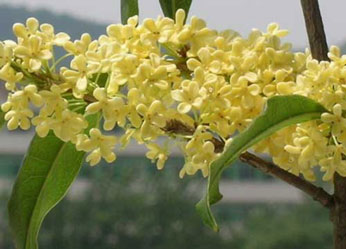
Can an orange jasmine (Murraya paniculata) that has grown too tall be pruned and the cuttings propagated?
The orange jasmine (Murraya paniculata) has grown too tall to fit indoors; can it be cut back? Can the pruned branches be used for cutting propagation? The orange jasmine (Murraya paniculata) prefers warmth and sunlight and is sensitive to cold; before the "Start of Winter" (Lidong), frost protection and warmth measures need to be taken. A plant that has grown too tall can indeed be pruned. However, branches pruned in winter
条件筛选