-

Order-based grain sales model boosts agricultural income
Order-based grain sales help boost agricultural income
-
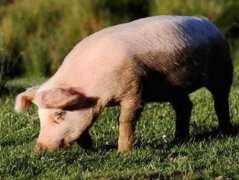
What is pica in pigs and poultry? Prevention and treatment methods explained
Have you ever noticed when raising pigs that they can get a very strange disease, which turns out to be pica? What kind of disease is this, and how should it be prevented and treated? When pigs crave and eat things they normally do not eat, it is called pica. Pica is a symptom caused by metabolic disorders and nutritional deficiencies.
-
Causes and Control Methods of Potato Green Skin Disorder
[Disease Diagnosis] It mainly occurs on tubers in the late growth stage or during storage. In the field, after some tubers arch out of the soil surface and are exposed to sunlight, the surface tissue turns from yellow to green. The area of greening varies depending on the size of the exposed area. The green tissue can extend into the interior of the tuber and is often accompanied by purple pigment deposition. During storage, when tubers are exposed to natural light, the surface also turns green, sometimes even affecting deep tissues. Usually this greening will not recover by returning the tubers to dark storage. [Cause] This disease is physiological
-
Physiological Disorders of Mushrooms and Their Control Methods
Mushrooms are relatively sensitive to their environment. A poor cultivation environment will hinder their normal growth and development, produce various abnormal phenomena, and lead to reduced yields and lower quality. Common physiological disorders of mushrooms include excessive mycelial growth, hard opening of the caps, thin-skinned early opening, and the appearance of ground-button mushrooms and hollow-stem white-core mushrooms. They are described below: Symptoms of excessive mycelial growth: after the casing soil of the mushroom bed is watered, the fluffy mycelium of the mushroom will continuously grow toward the surface of the fine soil, and in severe cases will form a fine, dense, water-impermeable mycelial mat, thereby delaying the time of fruiting and reducing the
-
Analysis of Neurological Symptom Diseases Caused by Calcium-Phosphorus Metabolism Disorders in Chickens
Strictly speaking, the neurological symptom disease caused by calcium-phosphorus metabolism disorders should be described as chondropathy (rickets/osteomalacia). It is characterized by deformation of the keel bone, weak expansion of the ribs, and legs that are brittle and easily broken. Affected chickens walk weakly and have difficulty breathing, and when held, they show no struggling response. It is commonly seen in chicks and also readily occurs in various caged chicken flocks. Besides an imbalanced calcium-to-phosphorus ratio, deficiencies of vitamin A and D3 are also among the causes of calcium-phosphorus metabolism disorders. The most common lesions found on pathological necropsy are vertebral hyperplasia of the ribs and severe deformity at the junction of the ribs and cartilage. Supplementing the feed with vitamins and calcium carbonate can quickly reverse these symptoms.
-
Identification and Prevention of Physiological Disorders in Atlantic Potato Tubers
The Atlantic potato is a high-quality raw material for processing snack foods such as potato chips and French fries. Its growth period is relatively short, and it has strict requirements for the cultivation environment: it needs cool conditions but is not tolerant of low temperatures. During cultivation, freeze protection and fertilizer and water management should be done well to avoid physiological disorders such as black heart, hollow heart, starch leakage, cracking, and deformities, and to improve tuber quality and marketable yield. I. Tuber black heart 1. Symptoms: Irregular patterns ranging from black to blue appear in the center of the tuber. When oxygen deficiency is severe, the entire tuber may turn black. Usu
-
Integrated Traditional Chinese and Western Medicine Treatment Methods for Calcium and Phosphorus Metabolism Disorders in Pigs
Calcium and phosphorus metabolism disorders occur in young pigs, and the resulting bone dystrophy is called rickets. The pathological features are insufficient calcification by osteoblasts, persistent cartilage hypertrophy, and incomplete temporary calcification with enlargement of the epiphyses. The clinical features are digestive disturbance, pica, lameness, and skeletal deformity. It is a non-inflammatory disease of poor bone tissue development, and vitamin D deficiency also plays an important role in the pathogenesis of rickets. Calcium and phosphorus metabolism disorders occur in adult pigs, and the resulting bone dystrophy is called osteomalacia, or fibrous osteodystrophy. The pathological feature is progressive
-
How to diagnose and treat wool-eating disorder in housed sheep?
In the spring of 2004, sheep housed in some villages on the outskirts of our county developed a disease of biting and eating each other's body wool. The wool quality of the affected sheep was damaged, with indigestion, anemia and emaciation, and in severe cases the sheep died, causing great losses to the sheep industry. Based on the basic disease situation, feed analysis, clinical symptoms and treatment, it was diagnosed as a nutritional and metabolic disease. Through comprehensive prevention and control measures, the condition was brought under control. The report is as follows: 1 Basic disease situation. The affected sheep were mainly housed sheep, with fewer cases among semi-housed sheep.
-
Identification of Physiological Disorder Symptoms in Lilies and Their Prevention and Control Methods
Physiological disorders, also known as non-infectious diseases, refer to the disruption of normal physiological metabolic functions in the plant itself caused by factors other than pathogens. The causes of physiological disorders may be internal factors such as mineral element deficiency, tissue aging, or environmental factors such as temperature, light intensity, and abnormal gas composition. I. Leaf scorch: The typical symptom of leaf scorch is the formation of semicircular necrosis at the tip and margin of the leaf, sometimes also manifested as chlorosis or necrosis at the leaf margin, or yellow-green spots appearing on parts of unexpanded or expanded young leaves
-
How can reproductive disorders in pigs be effectively reduced?
Reducing reproductive disorders in pigs: 1. Breeding healthy boars and sows: First, through vaccination or medication prevention, ensure that boars and sows are not troubled by diseases, especially the prevention of pseudorabies, swine fever, parvovirus, Japanese encephalitis, as well as infectious diseases such as chlamydia and eperythrozoonosis. Second, manage boars and sows well by stages, that is, reserve boars and sows, pregnant sows, farrowing sows, open sows, young boars, mature boars, etc., should all be cared for according to their respective characteristics and needs. Third, the prevention and treatment of limb and hoof diseases in boars and sows, and mastitis and metritis in farrowing sows.
条件筛选