What is pica in pigs and poultry? Prevention and treatment methods explained
Have you ever noticed when raising pigs that they can get a very strange disease, which turns out to be pica? What kind of disease is this, and how should it be prevented and treated?
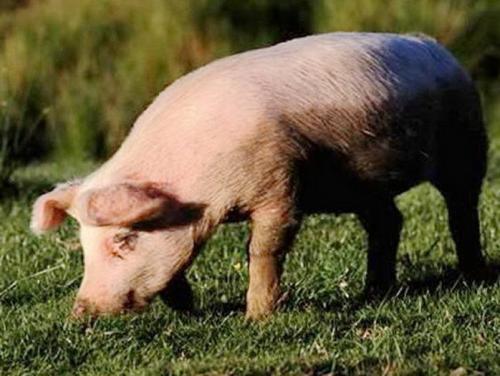
When pigs crave and eat things they normally do not eat, it is called pica. Pica is a symptom caused by metabolic disorders and nutritional deficiencies, and it generally occurs easily in piglets and sows kept indoors. There are many causes of pica, and it mainly generally occurs in young pigs and sows.
1. Causes: improper feed formulation, lack of vitamins, minerals such as phosphorus and calcium, and certain elements such as iron, copper, manganese, cobalt or inorganic salts. Other conditions such as chronic gastroenteritis, osteomalacia and parasitic diseases can also cause it.
2. Symptoms: young pigs like to gnaw soil, pen wood, sand and stones, lime on walls and moldy bedding straw, and often have indigestion or diarrhea. Over time they become emaciated and anemic, with dry or loose feces, reduced appetite and poor growth. Sows generally eat the afterbirth after giving birth and bite and eat piglets. Sick pigs are timid and easily frightened, with rough coats; in some cases body temperature is elevated, pulse is accelerated, milk secretion is reduced, the back is arched, teeth are ground, and the animal gradually becomes emaciated and weak, often dying from weakness over time.
3. Necropsy: anemia and emaciation, with subcutaneous, mesenteric, perirenal and coronary fat almost completely consumed, glandular atrophy, chronic catarrh of the stomach and intestinal mucosa, and bones that are osteoporotic, thinner, brittle and easily broken.
4. Prevention and treatment:Feeding management should be strengthened, feed formulation improved, and minerals and vitamins supplemented appropriately. Do not feed acidic feed. Once a sick pig is found, in addition to giving more green fodder and yeast and providing sufficient nutrition, if osteomalacia and rickets are found, bone meal, calcium carbonate and vitamins A and D, etc., can be added to the feed. Pigs can also be given the opportunity to come into contact with fresh soil. For pigs without concurrent osteomalacia and rickets, sodium bicarbonate, salt or artificial salt can be tried at 10-20 grams per animal per day, and plant ash can also be used for treatment (50-100 grams per 100 kg body weight). Other treatment methods include:
(1) 250 grams of aged lime and 1500 grams of cold water; use a jar with the cold water, stir, then take 3 large tablespoons of the upper clear limewater and feed it to the pig with the feed.
(2) Several jin of river snail shells, placed in the pen, to let the pigs eat them on their own.
(3) Chinese fir charcoal soaked in salt water, placed in the pig pen, to let the pigs eat it on their own.
(4) Old roof tiles and charcoal, placed in the pen, to let the pigs eat them on their own.
(5) 10 grams each of Atractylodes macrocephala, Alisma orientale, white peony root, green tangerine peel and licorice, and 15 grams each of dried tangerine peel, Poria cocos and Jiao San Xian (hawthorn, malt and dried tangerine peel), decocted in water once and administered by drenching (suitable for pigs weighing 30-50 kg).