-

Identification of Plant Physiological Disorders: Diagnosis of Diseases Caused by Abiotic Pathogens
Identification of Plant Abiotic Pathogens and the Diseases They Cause (Physiological Disorders) ? During the process of plant growth and development, unsuitable physical factors, chemical factors, air pollution, pesticide toxicity, as well as the plant's own physiological defects or hereditary diseases in the environment, all
-
Cultivation of Agaricus bisporus, the "World Mushroom," and the Causes of and Countermeasures for Fruiting Disorders
Agaricus bisporus, also known as the white mushroom, button mushroom, or cultivated mushroom, is a mushroom species cultivated and consumed worldwide, known as the "World Mushroom," and can be sold fresh, canned, or salted. At present, it is developing very rapidly, growing at a rate of 15%-20% each year. So how do you grow Agaricus bisporus? Fruiting
-
Methods for Preventing and Treating Self-Biting Feather Disorder in Hwamei Breeding
(1) Causes of self-biting feather disorder in hwamei: The main causes of self-biting feather disorder in hwamei birds: ① The hwamei is a bird that loves cleanliness very much, and the vast majority love bathing (also called washing). If the hwamei is not bathed on time or regularly, if the cage is not cleaned frequently, if the sand grains in the sand tray are not replaced, if the birdcage and cover cloth are not cleaned frequently, and if there are prolonged rainy days and other such reasons, then lice or mites will breed on the hwamei. Lice and mites parasitize the surface of the hwamei's body, and the entire skin will be affected, causing the bird's skin to itch and bleed. The hwamei is “helpless” against the lice and mites breeding on its body, so it has no choice but to bite its feathers to stop the itching and bite its feathers to “vent its anger.” ② Because the hwamei has long been imprisoned in a cage, or has long been ignored and neglected by people, it is lonely all day and has no choice but to protest to its owner by biting its own feathers. Keeping a hwamei is not only for appreciating its fighting, but also for appreciating its beautiful feathers. Bald or messy feathers are really not beautiful, so how can its ornamental value even be discussed? ③ Some hwamei develop self-biting feather behavior because the bird keeper fed them feed ingredients such as caoguo and star anise. ④ Some hwamei develop self-biting feather behavior because their food lacks a certain trace element for a long time.</p><p></p><p>(2) Symptoms of self-biting feather disorder in hwamei: Tail feathers and wing feathers are incomplete and falling off, curled and uneven, or of uneven length, or the feathers have already been pulled off and bitten to pieces. The tail is bald or there are no wing feathers, and the exposed areas are red, swollen, and inflamed.</p><p>(3) Methods for preventing and treating self-biting feather disorder in hwamei: Once a hwamei develops self-biting feather disorder, carefully and thoroughly analyze the cause and treat it according to the symptoms. For example: ① Bathe the hwamei on time, and regularly clean the birdcage, sand tray, and cover cloth. Once lice or mites are found on the bird, immediately adopt a method of treating both internally and externally to eliminate them. Insecticides such as Baichongling can be sprayed on the birdcage, sand tray, and cover cloth to eliminate external mites; use disinfectant diluted with water or water boiled with local tobacco stems to bathe the hwamei and eliminate the lice and mites on its body. Adjust the concentration of the local tobacco stem water as appropriate, and bathing 2 to 3 times is enough. If the hwamei's skin is already red, swollen, and inflamed, grind Zailin or Yinqiao tablets (powder) into powder, put it into the water cup, and let the bird drink it for 3 days, which can reduce inflammation and relieve pain. ② If the self-biting feather disorder is caused by the hwamei being neglected, immediately set aside time to play with the bird, persist in walking the bird every day, and give the bird the opportunity to move outdoors or in nature to relieve its loneliness. ③ Analyze the feed the hwamei has eaten recently to see whether it may be lacking a certain trace element or whether it has been fed foods such as caoguo. If no lice or mites have bred and walking the bird has been maintained, then it must be a feed problem, and the feed formula should be revised promptly or another feed should be substituted.</p>
-
Prevention and Control Methods and Technical Key Points for Feather-Pecking Disorder in Captive Hwamei Birds
The so-called hwamei feather-pecking disorder refers to a small number of hwamei birds during ordinary keeping that, due to various causes, bite off their own tail feathers, wing feathers, back feathers and so on, one by one (sometimes called self-biting disease), so that the tail feathers are sometimes pulled until they are bare and sparse, curled
-
How to Prevent and Treat Nitrogen Nutrient Imbalance in Wheat
Symptoms of nitrogen deficiency in wheat: plants grow slowly, individuals are stunted, tillering is reduced; leaf color fades, old leaves turn yellow, senesce early and wither and drop; stems and leaves often take on a red or purplish-red color; the root system is slender, and total root mass is reduced; young spike differentiation is incomplete, and the spike shape is smaller. Symptoms of nitrogen excess in wheat
-

What are the common symptoms of physiological disorders in flowers and ornamental plants?
What symptoms do physiological disorders in flowers and ornamental plants have
-
Major Investigation into Solar Power Encroaching on Farmland: On-the-Spot Reports from Hundreds of Sites Expose Four Major Disorders
[Major Investigation] Major Investigation into Solar Power Encroaching on Farmland: On-the-Spot Reports from Hundreds of Sites Expose Four Major Disorders
-
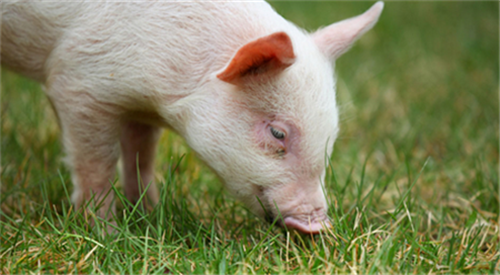
Clinical Diagnosis and Prevention of Common Reproductive Disorder Diseases in Small and Medium-sized Pig Farms (4)
Clinical Diagnosis and Prevention of Common Reproductive Disorder Diseases in Small and Medium-scale Pig Farms (4)
-
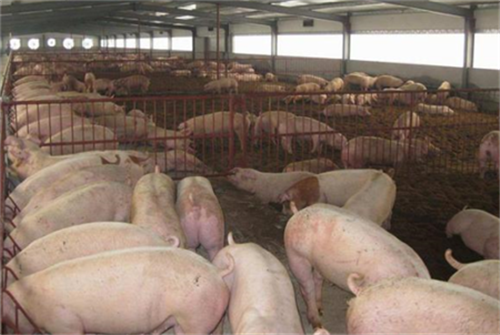
Diagnosis and Prevention of Common Reproductive Disorder Diseases in Small and Medium-sized Pig Farms (3)
Clinical Diagnosis and Prevention of Common Reproductive Disorder Diseases in Small and Medium-scale Pig Farms (3)
-
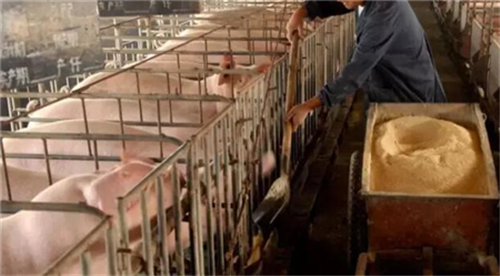
Clinical Diagnosis and Prevention of Common Reproductive Disorder Diseases in Small and Medium-Sized Pig Farms (2)
Clinical Diagnosis and Prevention of Common Reproductive Disorder Diseases in Small and Medium-Scale Pig Farms (2)
条件筛选