-

How to grow Murraya paniculata (orange jasmine)? A full breakdown of cultivation methods and precautions
The first is soil quality; you need to choose a sandy soil that is nutrient-rich and loose. The second is water; the general principle is "dry-wet cycle" (water when dry, let it dry out between waterings). The third is light; you must ensure five to six hours of light a day. The fourth is temperature; the most suitable temperature is 20-
-
What are the latest planting precautions for orange jasmine (Aglaia odorata)?
Orange jasmine (Aglaia odorata) is an evergreen shrub or small tree of the Meliaceae family, and is a small-leaved variety of the large-leaved Aglaia. Orange jasmine originated in southern Asia and was later widely planted throughout the tropical regions of the world. It is also distributed in Fujian, Guangdong, Guangxi, Sichuan and Yunnan in China, and there are also many potted plants in the north.
-
How to grow orange jasmine (Murraya paniculata)? A detailed guide to the latest cultivation methods
Orange jasmine (Murraya paniculata) is a small tree that can grow to over eight meters at its tallest. It is suited to warm places. In China, orange jasmine is basically grown in Yunnan, Guizhou, Hunan, Guangzhou, Hainan and other places, where the climate is relatively mild and meets
-
What causes yellow leaves on orange jasmine? The latest analysis is here
Orange jasmine (Murraya paniculata), also known as nine-autumn fragrance and thousand-mile fragrance, is an evergreen shrub in the Rutaceae family. Orange jasmine has high ornamental value, so it is now widely grown as a potted plant in our country. However, many people find that orange jasmine tends to develop yellow leaves
-
Blackening Leaves on Orange Jasmine (Aglaia odorata): Causes and Solutions
Orange jasmine, also known as four-season orange jasmine or broken orange jasmine, is an evergreen shrub or small tree that is deeply loved for its rich fragrance when in bloom. Some orange jasmine plants bought from the market and grown at home for a period of time will develop blackening leaves, so orange jasmine
-
Six key points for growing Orange Jasmine (Murraya paniculata): plenty of sunlight, water when the soil is dry, and never let water accumulate
Summary Temperature: The suitable growing temperature for orange jasmine is around 20-30°C. Soil: Choose well-drained sandy soil. Pruning: Mainly prune leggy and crossing branches to help the plant absorb nutrients. Watering: Water in moderation, water when dry and let it dry between waterings, and do not let water accumulate.
-
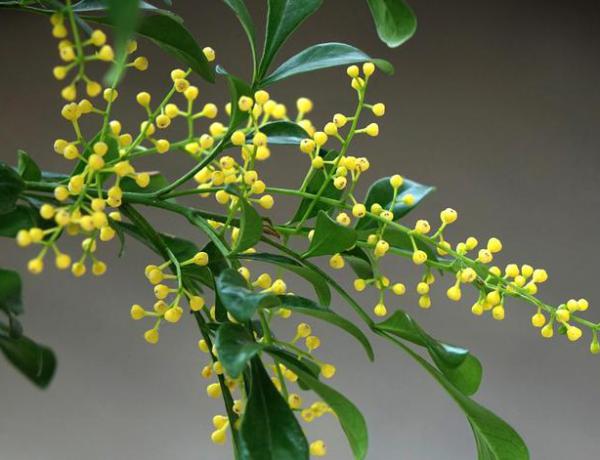
How to grow orange jasmine (Aglaia odorata)? A detailed guide to growing orange jasmine
How to grow orange jasmine? Growing methods for orange jasmine
-
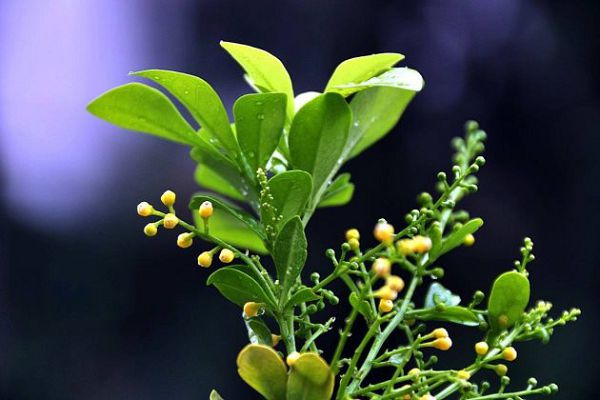
Detailed explanation of pruning methods and techniques for orange jasmine (Aglaia odorata)
How to prune orange jasmine (Aglaia odorata)? Detailed explanation of pruning methods and techniques for orange jasmine
-

How to fertilize orange jasmine (Murraya paniculata) and what fertilizer is best
Orange jasmine fertilization methods and what fertilizer is best
-
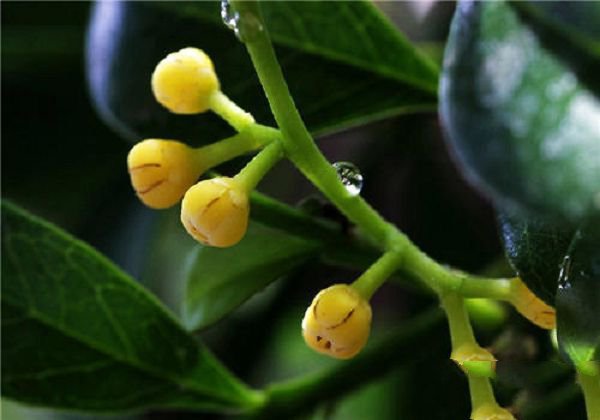
What are the precautions during the cultivation of orange jasmine?
Precautions during the cultivation of orange jasmine
条件筛选