-

Growth regulation and craft-shaping induction techniques for lingzhi (Ganoderma)
1. Characteristics of induced craft shaping. Unlike traditional handcrafted shaping, induced craft shaping relies on artificial regulation of the materials used so that they grow as naturally as possible. For example: fish require smooth, flat lingzhi pieces bearing wing-shaped fins; birds require feather-like, elongated lingzhi caps as the main body. To make lingzhi grow into such a myriad of forms, one must master the environmental conditions that affect lingzhi morphology. 2. Lingzhi morphology and environmental conditions. The environmental conditions that affect lingzhi morphology are mainly meteorological factors such as light, air, humidity and temperature. (1) Light. Lingzhi is sensitive to light,
-
Detailed Explanation of High-Yield Cultivation Techniques for Ganoderma lucidum Using Short Logs with Sterilized Substrate
Short-log sterilized-substrate cultivation is a relatively fast-developing new technique for cultivating Ganoderma lucidum (reishi) in recent years. On average, more than 20 kg of dried mushrooms can be harvested per cubic meter of wood, with high yields reaching more than 30 kg, a 20% increase over conventional cultivation methods. The reishi produced is firm and thick in texture, glossy, and higher in acid content than bag-cultivated reishi, with more than 90% of the product meeting export requirements. 1. Cultivation season: Ganoderma lucidum belongs to the medium-to-high temperature type of fungi, and its yield is related to the tree species of the logs, cultivation time, and cultivation techniques. Inoculation time can be arranged from late October to December
-
Key Management Techniques for Log-Cultivated Ganoderma in Summer
1. Thinning: About 10-20 days after the mature colonized logs are covered with soil, primordia begin to form. Because the light in artificial shade sheds is generally quite strong, the cut cross-sections of the logs are stimulated by light and tend to form numerous primordia. To improve the quality of the Ganoderma, excess primordia should be removed, leaving only 1-2 thick, sturdy primordia per log segment. If two primordia are kept, they should be more than 15 cm apart. Otherwise, after the caps differentiate, they will crowd and stick together, causing deformities and reducing commercial value. Thinning can be done by simply picking them off by hand, then covering the spot with fine soil.
-
What are the processing technologies for reishi (Ganoderma lucidum) products?
Reishi milk powder I. Raw material formula: fresh milk 300kg, whey powder 25.2kg, refined vegetable oil 10kg, high-fructose corn syrup (70%) 15kg, reishi 8kg, vitamin A 1.2g, vitamin C 60g, vitamin E 1.2g, calcium lactate 5kg, ferrous lactate 62g, zinc gluconate 87g, lecithin 1.2kg. II. Process flow: whey powder, high-fructose corn syrup, vitamin C, etc. -> dissolve -> filter -> vegetable oil VA, VE
-
Detailed Explanation of the Processing Technology for Ganoderma Health Tea
Developing Ganoderma health tea can enhance the competitiveness of tea. A brief introduction to the processing technology of Ganoderma health tea is given below. Its process flow: Ganoderma slicing, extraction, filtration, concentration, spray blending (tea leaves must first be re-fired), drying. 1. Ganoderma slicing: Considering overall benefits and the use of mid-to-low-grade tea, it is ideal to select mid-to-low-grade Ganoderma without deterioration as the raw material. After washing the Ganoderma clean with water, cut it into thin slices of about 5 mm, and set aside. 2. Extraction and filtration: Take the prepared thin Ganoderma slices, at a ratio of 100 grams of Ganoderma to 10
-

-
What is Ganoderma Neurospora? An Analysis of Ganoderma Cultivation Techniques
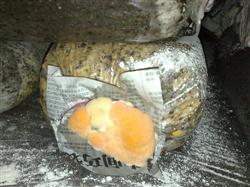
What is Ganoderma Neurospora? What harm does Neurospora do to Ganoderma? How to prevent and control it? Please give an introduction. Neurospora is also called Neurospora sitophila or red bread mold, bread mold, Neurospora, and Monilia. It belongs to the subdivision Ascomycotina, order Sordariales, genus Neurospora. It is a contaminant fungus that poses a great threat in the production of Ganoderma edible mushroom spawn. It spreads relatively quickly.
-
Ganoderma lucidum Cultivation Techniques: How to Grow It for High Yield?
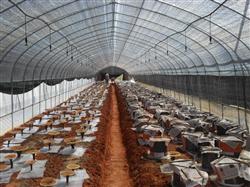
How do you grow Ganoderma lucidum for high yield? Here is an introduction to the methods. To achieve high yield when cultivating Ganoderma lucidum, you can refer to the following methods: 1. Preparation of the Ganoderma lucidum shed. According to the biological characteristics of Ganoderma lucidum, choose a dedicated Ganoderma lucidum shed or a residential house with good insulation, moisture retention, good ventilation, appropriate light, and smooth drainage, with a clean floor, ...
-
Key Period of Sugarcane Internode Elongation: Key Points of Summer Field Management Techniques
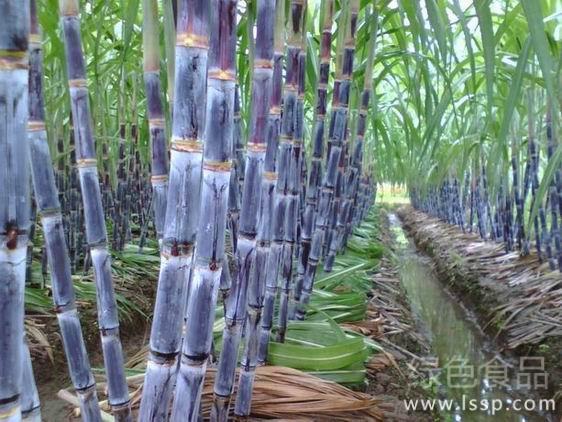
Summer is the key period of sugarcane internode elongation: how to do a good job in summer sugarcane field management
-
The wheat tillering node does not die and can still overwinter safely; what are the control measures for dead seedlings?
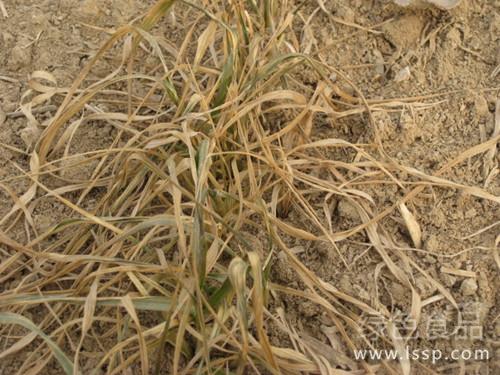
Wheat tillering node does not die and still survives overwintering; control measures for dead wheat seedlings
条件筛选