-
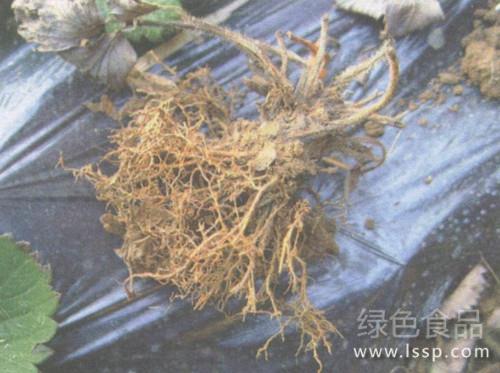
Strawberry parasitic nematodes cause stunted plants and white nematodes in diseased parts - how to control them?
Strawberry parasitic nematode control methods for plant stunting with white nematodes in diseased parts
-
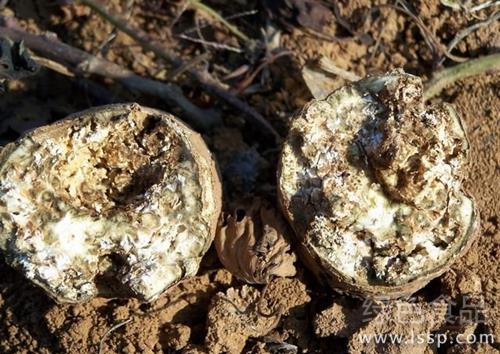
How to prevent and control stem nematode disease when brown halos appear on the skin of sweet potato roots
How to prevent and control sweet potato stem nematode disease when brown halos appear on the skin of the roots
-

Comprehensive control methods for soybean root-knot nematode disease
Soybean root-knot nematode disease, also known as "Fire Dragon Seedling," is a whole-plant disease caused by nematodes attacking soybean roots, leading to bacterial infection and disease. Affected plants grow slowly, with short, small, and yellowing stems and leaves, delayed flowering, few and small pods, and shriveled seeds; in severe cases, no pods form, or even the entire plant dies. Soybean root-knot nematode disease spreads rapidly, and the pathogenic nematodes can survive in the soil for a long time. Once the disease occurs, it is very difficult to eradicate completely, so comprehensive control measures must be adopted: 1. Select and sow disease-resistant varieties; 2. Control the source of infection
-
What to Do About Soybean Cyst Nematode (Dahuolong Yangzi)? A Detailed Guide to Prevention and Control
Soybean cyst nematode disease, also known as Verticillium wilt, yellow dwarf disease, and root nematode disease, is called "dahuolong yangzi" (fire dragon seedling) by farmers. According to reports, more than 22.5 million mu of soybeans in 14 provinces, municipalities, and autonomous regions in China have been infected with this disease. Soybean cyst nematode disease damages the soybean root system, causing poor growth and development of the aboveground parts of the plant, shortened and dwarfed internodes, yellowing leaves, reduced pod set, and lower yield, with general yield reductions of 10%-30%. Severely affected fields may suffer almost total crop loss. After soybeans are parasitized by nematodes, the main root and lateral roots develop poorly, and fibrous roots increase,
-
How do you prevent and control root-knot nematode disease in wax begonias?
The pathogenic nematodes of root-knot nematode disease in wax begonias damage the lateral roots and fine roots of the plant, stimulating the root tissue to form giant cells and causing excessive cell division and proliferation, resulting in the production of many tumors of varying sizes ranging from 1 to 10 mm in diameter. The tumors are smooth at first, then rough on the surface later, and often produce many fibrous roots
-
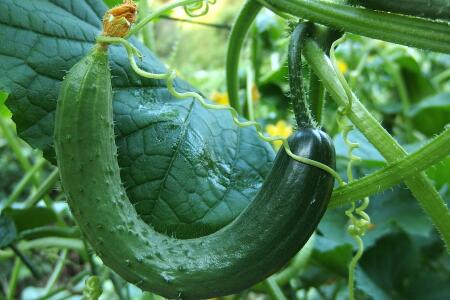
Symptom Identification and Control Methods for Aphids and Root-Knot Nematodes in Cucumbers
Cucumber is a widely grown annual climbing or trailing herbaceous plant of the Cucurbitaceae family, and during its growth it is highly prone to two pests: aphids and root-knot nematodes. Below is an introduction to the symptoms and control methods for these two pests. Symptoms and control methods for aphids. Main symptoms: aphids, also known as plant lice
条件筛选