How to prevent and control stem nematode disease when brown halos appear on the skin of sweet potato roots
Sweet potato stem nematode disease mainly damages sweet potato storage roots, stems and vines, and seedlings. When seedling roots are affected, brown halos appear on the skin, and the seedlings grow poorly, stunted and yellowed. Stem symptoms mostly occur in the pith of sweet potato stems, initially white, later turning brown and dry-rotten. Storage root symptoms are divided into the hollow-heart type, hollow-skin type and mixed type.
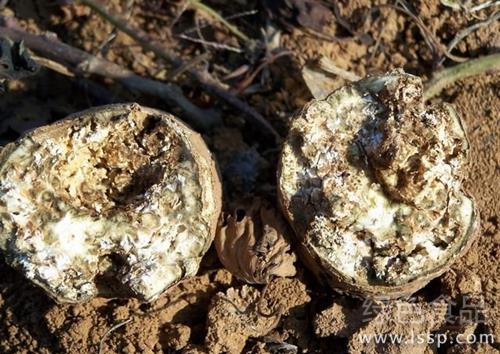
Sweet potato stem nematode disease
The common symptom of stem nematode disease in sweet potato storage roots is the hollow-heart type. The nematodes in infected stems and vines invade the storage roots downward. The diseased storage roots look no different from healthy ones on the outside, but the inside becomes a dry rot of alternating brown and white. The eggs, larvae and adults of the sweet potato stem nematode can all overwinter on the storage roots at the same time, and the larvae and adults can also overwinter in the soil and fertilizer. The pathogen can invade directly through the sweet potato skin or wounds. This disease is mainly spread by seed potatoes and seed seedlings, and is also spread short distances by rainwater and farm tools. The pathogen can lay eggs, hatch and grow above 7°C; the optimum temperature is 25-30°C, and the maximum is 35°C. Moist, loose sandy soil favors nematode activity and damage, while extremely wet or dry soil is unsuitable for its activity.
Control methods:
Crop rotation: In severely affected areas or severely affected fields, crop rotation should be practiced. Rotating sweet potato with sorghum, corn and cotton for three years can basically control the occurrence and damage of sweet potato stem nematode disease.
Dipping sweet potato seedlings in chemicals: Dip sweet potato seedlings in a 100-fold solution of 50% phoxim emulsifiable concentrate or 40% isofenphos-methyl emulsion for 10 minutes.
Chemical soil treatment: Use 2-3 kg of 5% aldicarb granules per mu. When transplanting sweet potato seedlings, apply it into the holes. The field efficacy of this chemical lasts 50-60 days, and it can effectively control stem nematode disease and also control other pests. Alternatively, use 3-4 kg of 3% isofenphos-methyl granules per mu, mix with an appropriate amount of soil, and apply it into the holes.