-

Quiz Challenge: What is the tallest native tree species in China?
The first Greening Knowledge Quiz Challenge is in its final countdown. How many points did you get? Those of you who passed with a perfect score, did you grow up eating cleverness? (Even the editor only got a perfect score today~) By the way, always stumbling on the same question, who can understand that feeling...
-
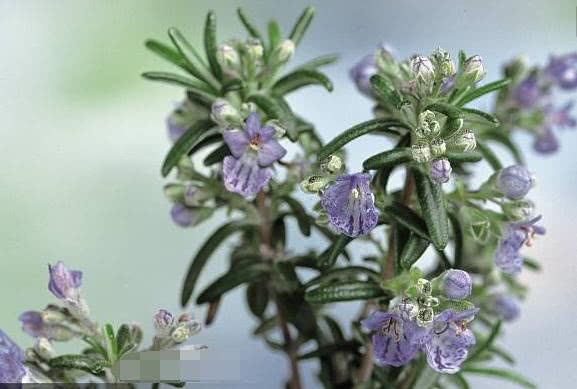
How many of the world's famous flowers have you grown? These flowers native to China are truly unique
Famous flowers of the world, how many have you grown? And how many of them originated in China? Unique flowers. Nowadays, green plants are almost intertwined with our daily lives. I believe every household now has at least one indoor potted plant kept inside...
-
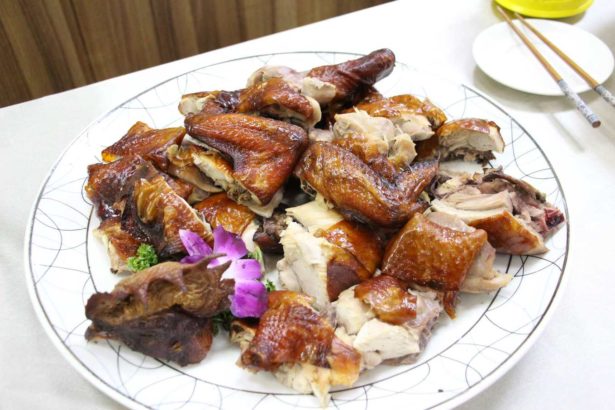
Fenghui Xiaying Red Brand native chicken launched: springy meat, big legs, or a savior against avian influenza
Springy meat and big legs, or a savior against avian influenza! The new Fenghui Xiaying Red Brand native chicken hits the market
-
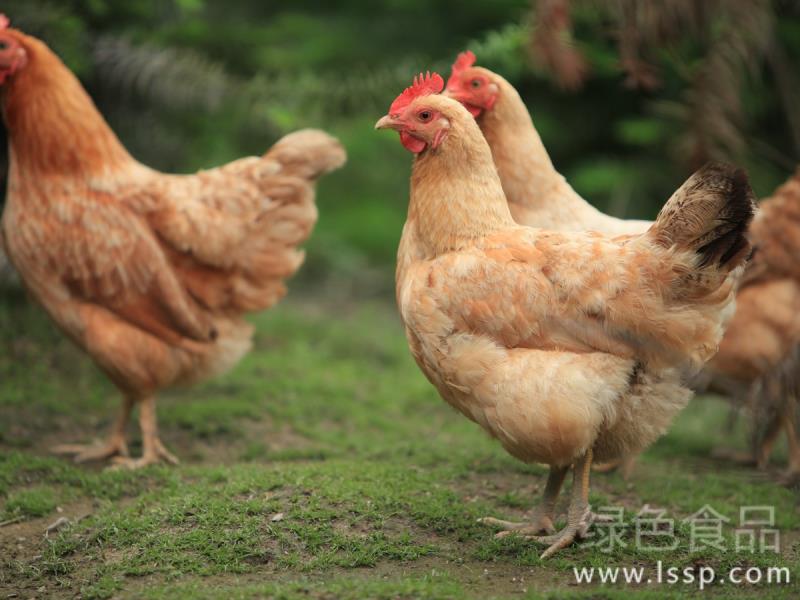
Mountain free-range native chickens: low investment, high sale price, how to raise them?
Free-range native chickens have low investment and high sale prices. How to raise free-range native chickens in mountainous areas?
-
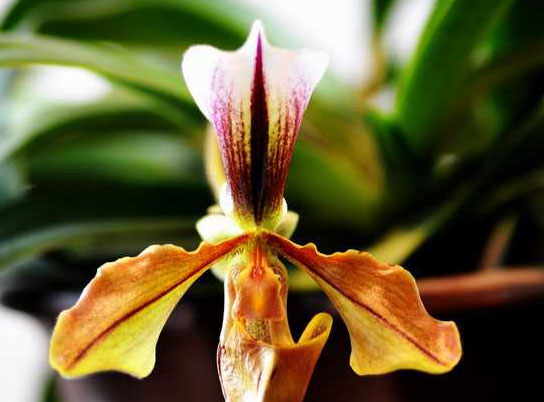
What are the daily care essentials for native Paphiopedilum orchids?
For potted Paphiopedilum orchids, if they are terrestrial orchids, it is best to use leaf mold, peat soil, moss, bark chunks, etc. as the growing medium. The bottom of the pot needs to be lined with granular material such as crushed brick and charcoal chunks amounting to about 1/4 of the pot's volume, to facilitate drainage and aeration. If they are epiphytic orchids, it is best to use moss and fern roots as the growing medium, and these should be soaked thoroughly with water before use.
-

Neolitsea sericea is a native tree species of Shanghai
Neolitsea sericea (Bl.) Koidz. LAURACEAE Current status: rare species. Distributed only in a relatively narrow area along the eastern coast of China. According to literature records, it is also distributed in Chongming Sheyu, Shanghai. Due to excessive felling for firewood, few adult trees remain, and most of them have grown from sprouts. Morphological characteristics: Evergreen tree, up to 12 m tall; branchlets greenish, smooth, current-year branches often covered with brown-yellow silky hairs. Leaves alternate, leathery, oblong or ovate-oblong,
-
Glossy privet is one of the native tree species in the Shanghai area.
Morphological characteristics: evergreen tree, up to 15 m tall, often shrubby. Leaves leathery and brittle, ovate, broadly ovate to ovate-lanceolate. Fruit blue-purple; flowering in June, fruit ripening in November-December. Ecological habits: a neutral tree, slightly shade-tolerant, highly adaptable, prefers a warm, humid climate, not demanding about soil, suitable for deep, fertile slightly acidic or slightly alkaline soil, and relatively resistant to sulfur dioxide, nitrogen dioxide, dust and similar. Cultivation and management: propagated by seed. Can be transplanted in both spring and autumn, with spring being better. Both small and medium seedlings can be
-
What are the alternative techniques for stump bonsai
In addition to the commonly used methods such as wiring and bending, pruning, leaf removal and bud removal, there are also some alternative shaping techniques for stump bonsai, mainly the following: The bark-prying method. That is, during the vigorous growth season of the tree, use a sharp knife to pierce into the cambium of the trunk bark layer, then gently pry a few times to temporarily separate the bark from the xylem. You can also insert a suitably sized stone into the pried-open bark, then wrap and bind it with hemp fiber or palm fiber. After the wound heals, the trunk becomes locally swollen and raised, presenting an aged, dignified appearance. The tearing method. That is,
-
Guizhou and Shanghai Join Forces to Farm the Chinese Zebra Loach Artificially, Saving Guizhou's Native Fish
Jinqian Online News: A reporter learned yesterday from the Luodian Fisheries Station that at present, the fisheries departments of Guizhou and Shanghai are jointly conducting experimental research and development on the artificial domestication and breeding of the Chinese zebra loach (Botia zebra), in order to save this rare native aquatic wildlife species of Guizhou in the Pearl River system - the Chinese zebra loach. The "sesame sword" (scientific name: Chinese zebra loach) has no scales and a body shaped like a sharp sword; it gets its name from the sesame-like spots on its body, lives on the bottom of rivers, and feeds on small aquatic animals. It is mainly distributed in the Pearl River and Yuanjiang River systems, and its flesh is tender and delicious, making it an important commercial fish in its producing areas. Together with the sea bass (Japanese sea perch)
-
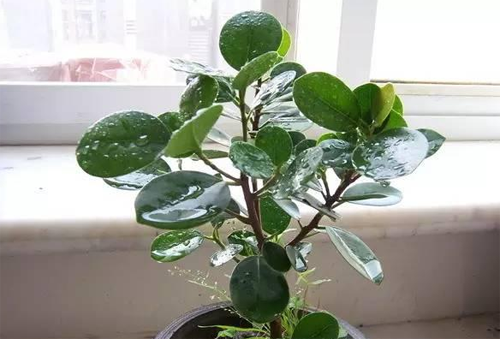
What are the cultivation methods and alternative names of the Money Tree?
Just hearing the name "Money Tree" is quite something - it means bringing in wealth. With such an auspicious meaning, everyone loves to grow it. What are the cultivation methods of the Money Tree? What are its alternative names? Money Tree cultivation methods: Shading
条件筛选