-

How to grow Bambusa multiplex? Growing methods and precautions, the environment is key
As is well known, among the effects and functions of Bambusa multiplex, it has five aspects of use including purifying the air, ornamental value, medicinal effects and so on, but to fully bring out these effects, you must grow Bambusa multiplex well.
-
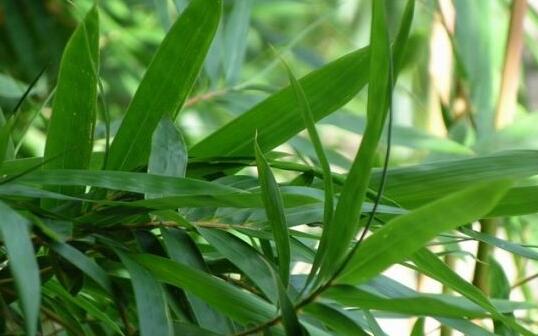
How to Fertilize Bambusa multiplex (Fairy Bamboo)? A Detailed Guide to Fertilizer Selection and Application Methods
When growing Bambusa multiplex, fertilization is essential. It not only provides the nutrients the bamboo needs for growth but also boosts its resistance to disease. However, fertilization should be neither too little nor too much. So how do you fertilize Bambusa multiplex? Let us give you the answer.
-

The Five Major Benefits and Effects of Bambusa multiplex 'Fernleaf' - Only with Proper Care Can They Be Fully Realized
In many places across East China and South China, a plant with tall stems, straight lower sections, and leaves like phoenix tail feathers is cultivated. This plant is known as Bambusa multiplex 'Fernleaf', and it is a bonsai plant with extremely high ornamental value.
-

How to water lily of the valley, how to fertilize lily of the valley / controlling watering amount / using multiple fertilizers in combination
Lily of the valley is a plant with extremely high medicinal value, and it also has high ornamental value. However, if you want it to have ornamental value, the care process cannot be careless at all, and watering and fertilizing are especially important. As for how to water lily of the valley and how to fertilize lily of the valley? There is a detailed introduction below.
-

Detailed Explanation of the Cultivation Method for a Single Dahlia Plant with Multiple Colors
A single dahlia plant with multiple colors can be cultivated by grafting. Select a high-quality tuberous root that is well developed, disease-free and without buds as the grafting mother plant. According to different flower color varieties, select branches of uniform thickness and length that bear terminal buds as scions, and cut them into a duck-bill shape. Make a cut on the mother plant and quickly insert the scion
-
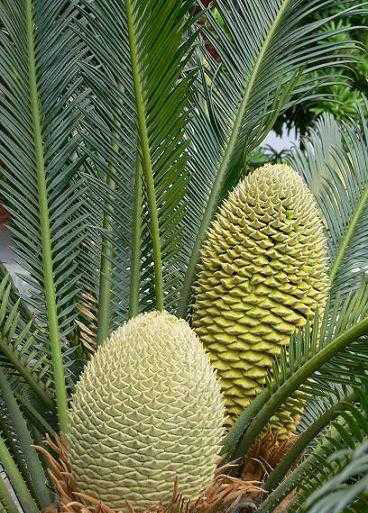
Methods and Technical Key Points for Cultivating Multi-Headed Sago Palms
The sago palm is evergreen year-round, with an elegant and unusual plant form and leaf cluster, a long ornamental period, and easy, undemanding care, so it is deeply favored by cultivation enthusiasts. Sago palms can be placed outdoors or used for indoor display. If a single-headed sago palm can be cultivated into a multi-headed one, its ornamental value becomes even higher.
-
Key Techniques for Four-Season Multi-Cutting Cultivation of Stem Garlic
Stem garlic was introduced from Europe and is a perennial crop of the genus Allium in the lily family. Necklace garlic is sown from seed like Welsh onion. Its stems, leaves and scapes resemble those of common garlic, but it is larger and more robust than common garlic, with strong adaptability; it can withstand high temperatures of 40°C and low temperatures of -15°C, and can be sown in spring and autumn in most parts of our country, remaining evergreen all year round. For four-season multi-cutting cultivation, it can be sown from seed like Welsh onion and the seedlings harvested for market, with 1 cutting harvested 60-80 days after sowing, yielding about 2500 kg per mu. If harvesting garlic scapes, seedlings can be raised in summer and autumn, and after 30 days transplanted at a row spacing of 20 cm x 8 cm; scapes bolt in May of the second year after transplanting, with more than 10 tillers per plant, and every tiller can bolt; scapes can be harvested 4-6 times a year, with continuous growth for 5-8 years, during which excess tillers can be pulled out along with their roots for market; the usual yield is about 1500 kg of garlic scapes per mu and more than 5000 kg of stems and leaves.
-
Potato and scallion multiple cropping can achieve two harvests from one field
I. Cultivation of the preceding potato crop 1. Variety selection The potato variety suitable for potato-scallion multiple cropping in the Xiongyue area is "Dongnong 303", with 15 kg of seed used per mu, maintaining 4500 plants. 2. Deep plowing and fertilization In autumn, plow the soil to a depth of 15-20 cm, harrow the soil in spring, and apply 4000 kg of high-quality organic fertilizer per mu as base fertilizer. 3. Seed potato sprouting In early March, place the selected seed potatoes in a greenhouse or on a heated kang to sprout for about 10 days. Cut the seed potatoes into pieces of 20-30 g, and after cutting, air-dry the seed pieces for 6-12 d, then they are ready
-
A Detailed Guide to the Processing Technology and Methods of Multi-flavor Jujubes
Multi-flavor jujube is a new type of jujube product between candied jujubes and red jujubes, with a variety of flavors, which makes up for the shortcomings of candied jujubes being too sweet with a single flavor and red jujubes having thick skins that are inconvenient to eat. I. Production process flow: raw material selection - washing and grading - scoring and sulfur dipping - sulfur fumigation and rinsing - soaking and draining sugar - baking and packaging. II. Processing key points: 1. Raw material selection: choose fresh jujubes with large fruit, small pit, loose flesh, relatively little juice, thin skin, nine-tenths ripe, white with a touch of red in color, free of pests and diseases, and not sprayed with pesticides within half a month as raw materials.
-
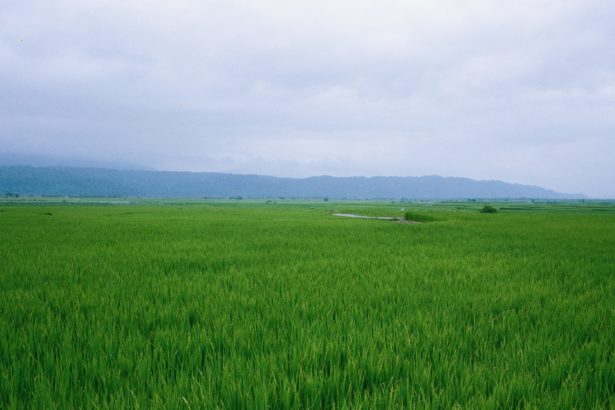
Rice multicultural practice: Four key elements for local sake brewing need breakthroughs
Li Jianwei / Heart of Sake 03: Let local sake brewing become a practice of rice multiculturalism! Four key elements need breakthroughs
条件筛选