-

The role and method of use of molting hormone solution for silkworms
Hormone drugs regulate the growth and development of silkworms, and are mainly used to promote uniform maturity of silkworms and neat mounting on the cocooning frames. This product is specified as 2ml x 10 vials/box (2ml:45mg). Usage and dosage: when 5% mature silkworms are seen, add 2ml to 2000ml of ordinary water and spray on the leaves, for 20,000 silkworms to consume in one feeding.
-
Measures and Methods to Prevent the Occurrence of Three-Molt Silkworms
At present, most of the silkworms reared in our province are four-molt silkworms. Under normal incubation and rearing conditions, a four-molt silkworm should undergo four molts in one generation. However, if the incubation and rearing conditions are poor, a four-molt silkworm may undergo only three molts in one generation, resulting in reduced mulberry leaf consumption, smaller cocoon shape, and lower yield. The reasons why four-molt silkworms undergo only three molts include: incubation under low temperature, dry conditions and darkness at around 20°C; exposure to more than 12 hours of light per day during the young silkworm stage; feeding mulberry leaves that are too tender or too high in protein; after the silkworm eggs are brought back, they are not kept warm and protected, and are directly placed at natural temperature for supplementary incubation, resulting in excessively long supplementary incubation time and accumulated temperature failing to reach the standard;
-
What are the reasons for mass mortality of marine crabs during molting?
Mortality of marine crabs during the molting period manifests as large numbers of marine crabs dying before molting (failed molting), and many marine crabs also die after completing the molt (excessive physical depletion after molting, soft shells that do not harden, etc.). The reasons for mortality of marine crabs during the molting period are: (1) the water body is polluted, dissolved oxygen is low, affecting molting, leading to death; (2) nutritional imbalance in marine crabs (deficiency of calcium, phosphorus, magnesium, zinc, iron, vitamins, etc., weak constitution); (3) irritating drugs used during the molting period, causing some deaths; (4
-
Detailed Explanation of Key Points in Artificial Forced Molting Technology for Chickens
1. Chemical method: After chickens ingest an excessive or insufficient amount of chemical substances within a certain period, their metabolism is disturbed and the functions of internal organs are disordered, resulting in the hens stopping laying or molting. After the chemical agent is removed, the hens rest and their physique recovers, and under the condition of being fed normal feed, they again recover a second laying period. At present, the most commonly used chemical method is feeding a high-zinc diet. For example, when feed containing 2% zinc is fed in the diet, after 3 days the laying rate of the chickens drops below 50%, and after 6 to 7 days laying stops completely; after removing zinc,
-
Forced Molting Technique for Ducks Can Shorten the Pause in Laying
After laying a certain number of eggs, laying ducks stop laying and go into molt. Under natural conditions, it takes 2-3 months from molting to resuming egg production. However, when you notice that a laying duck has stopped laying and is pecking back and forth at its own feathers, give the non-laying duck a forced molt: first pluck out the older, coarser long and short feathers from both the front and back of its two wings, then keep it in a confined pen, strengthen feeding management, and feed it high-quality feed. After about 1-5 days, the non-laying duck will begin to lay eggs again.
-
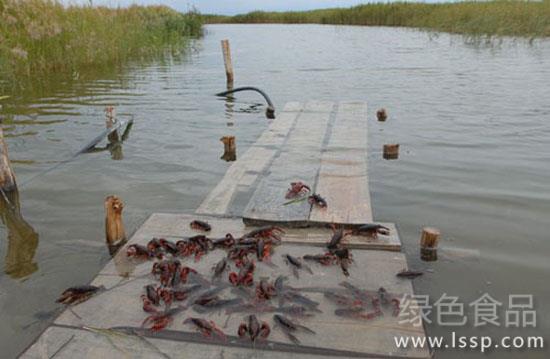
Crayfish molting affects growth: how should the molting period be managed?
Molting affects crayfish growth: how to manage crayfish during the molting period
-

What to Do During a Mink's Molting Period? A Detailed Guide to Scientific Management
What to Do When a Mink Molts
-

Why do silkworms molt? Understanding the reasons for silkworm molting in one article
Why do silkworms molt?
-

Detailed Explanation of Artificial Forced Molting Techniques for Laying Ducks
Artificial Forced Molting Techniques for Laying Ducks
-
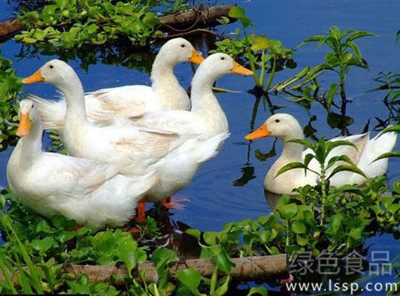
The five-character method for high egg production in laying ducks: drive, light, stimulate, molt, release
The five-character method for high egg production in laying ducks - drive, light, stimulate, molt, release
条件筛选