-

What is "late molting" (laying stoppage) in laying ducks, and how should it be prevented and treated?
A female duck from the start of laying until culling is called a laying duck. Generally, the useful period of egg-type Ma ducks is about 350 days (150-500 days of age), which is called the first laying year; some are also used in the second and third years after molting and resting, but their production performance declines year by year.
-
At What Age Do Young Pigeons Begin to Molt? A Detailed Guide to Raising Young Pigeons
The pigeon is a fairly common bird in daily life, and it has high food value, so it is deeply loved by consumers. Young pigeons refer to pigeons that have just hatched, and in the process of raising them there are certain differences from adult pigeons, so what are the specific
-
How do you raise a hill myna and when does it molt?
Nowadays many retired grandparents sit at home with nothing to do, so they like to keep small animals. Many retired grandparents like to keep small birds such as parrots and crested mynas. Today what I want to talk about with you is also a kind of bird that people love very much
-
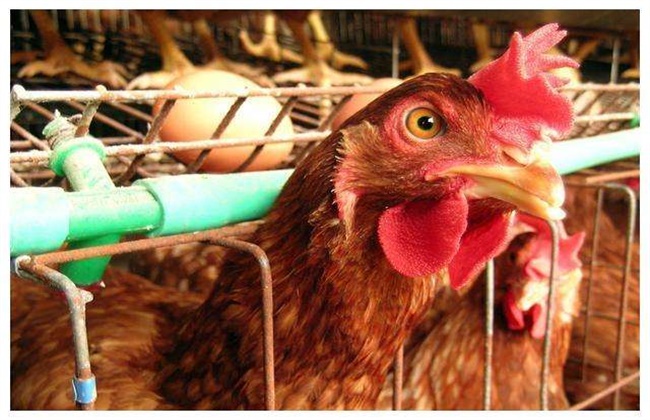
Methods and Key Operational Points for Artificial Forced Molting in Laying Hens
Artificial Forced Molting Methods for Laying Hens
-

Detailed Explanation of Key Points for Feeding and Management of Mink During the Molting Period
Key Points for Feeding and Management of Mink During the Molting Period
-
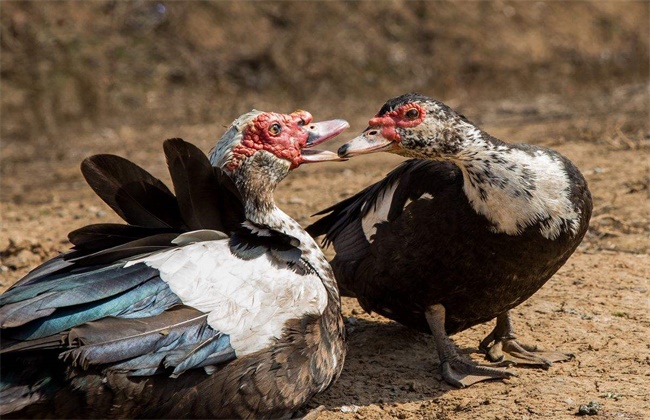
Detailed Explanation of Key Management Techniques for Muscovy Ducks During the Molting Period
Management Techniques for Muscovy Ducks During the Molting Period
-
What are the control measures for trimolter silkworms?
At present, most silkworms reared in our province are tetramolters. Under normal incubation and rearing conditions, a tetramolter should molt four times in one generation. However, if incubation and rearing conditions are poor, a tetramolter may molt only three times in one generation, resulting in reduced mulberry consumption, smaller cocoon shape, and lower yield. The reasons why tetramolters molt only three times include: incubation under low temperature of around 20°C, dry and dark conditions; receiving more than 12 hours of light per day during the young silkworm stage; feeding mulberry leaves that are too tender or too high in protein; after the silkworm eggs are brought back, they are not kept warm and protected, and are
-
In early winter, laying ducks are prone to "reverse molting", so farmers should beware of a drop in egg production rate
"Reverse molting" in laying ducks refers to female ducks raised in spring that enter the laying period in November, when the temperature gradually turns colder, and the day-night temperature difference is too large or nutrition is insufficient, causing ducks that have just started laying to stop producing and go on "vacation". If laying ducks begin "reverse molting", they start to molt, and once molting begins they will not lay eggs again until the following spring. If duck "reverse molting" can be controlled during this period, the laying period can be greatly extended and the economic benefits of duck farming increased. When ducks show signs of "reverse molting" such as eggs becoming smaller, eggshells becoming thinner, delayed laying time, wet feathers after drinking water and coming ashore, and crowding into the duck house, measures should be taken promptly
-
Analysis and Discussion of the Effects of Forced Molting in Chickens
(1) Mortality rate during forced molting. Measures in a forced molting program such as fasting, water withdrawal and reduced lighting are a great stress to chickens, and flock mortality is a response that tests whether the amount of stress is appropriate. Generally, it is suitable to keep mortality during the implementation period of forced molting at no more than 3%, and by the end of the recovery period, to keep mortality within 5%. (2) Body weight loss rate. The decline in hen body weight indirectly reflects the state of fat consumption in the oviduct. Only when the body weight loss rate reaches 25%-30% can the fat deposited in the oviduct be basically exhausted, which is crucial for improving eggshell quality in the second laying period.
-
Fox Molting Patterns and Methods for Assessing Pelt Maturity
Foxes begin shedding and replacing their underfur every spring, and the guard hairs then quickly fall out and new guard hairs grow in. Molting in foxes starts first at the head, neck, and forelimbs, then moves to the flanks, back, and abdomen, and only last do the rump and tail hairs shed and regrow. The completion of hair replacement on the body surface does not mean that the fox's fur and skin are fully mature. The assessment of pelt maturity is mainly based on indicators such as the color, fineness, density, length, softness and flexibility of the fur, as well as the color, thickness, and strength of the skin.
条件筛选