Detailed Explanation of Key Management Techniques for Muscovy Ducks During the Molting Period
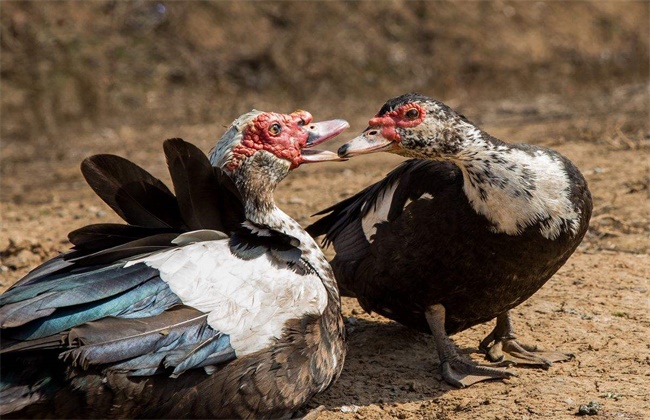
The Muscovy duck, also known as the musky duck or musk duck, is different from other domestic ducks. It is a poultry species of the Anatidae family that looks like a goose but is not a goose, and looks like a duck but is not a duck. It has the advantages of good meat quality, fast growth, strong disease resistance, and tolerance to coarse feed, and is deeply welcomed by people. During its growth, it has a molting period. Natural molting takes a long time and also affects egg production, so many farms adopt the forced molting method. Let's take a look at Muscovy duck molting management techniques together with the editor below.
1. Molting Time
Muscovy ducks generally have 2 laying periods. When the first laying period ends, the Muscovy duck will naturally enter the molting period. This period lasts as long as three months, and only after that will egg production gradually resume. This time period is generally from after the Beginning of Autumn to winter. The timing is variable and relatively long, so artificial forced molting methods are adopted to make molting uniform and concentrated, facilitate unified management, and shorten the recovery of the laying period by more than 20 days.
2. Preparation Before Molting
When the egg production rate of Muscovy ducks drops below 15%, forced molting can be carried out. At this time, two things need to be done. First, male and female ducks should be raised in separate groups. Male ducks generally need to molt 2 weeks earlier. Then conduct a comprehensive health check on the duck flock, select individuals with weak constitutions, and do not subject them to forced molting, or cull them in time.
3. Manual Feather Plucking
For manual molting, the first step is to change light intensity and light duration, adopting a dim-light illumination method. During molting, the entire duck flock stops being fed for 2-3 days. For the first two days, only sufficient drinking water is supplied, and then water is withheld for 1 day. Starting from the third or fourth day, each Muscovy duck is fed 100 grams of grower duck feed per day, placed in one feeding. After 6-7 days, a few Muscovy ducks can be randomly caught and their wings tested for plucking. If the feather roots are dry and the feathers detach very easily and are relatively easy to pull out, then feather plucking can be carried out. First pluck the primary wing feathers, then the secondary wing feathers, and finally the tail feathers, completing the plucking in one session. If plucking is very difficult, or blood traces or flesh traces are pulled out, then it should be postponed for 1-2 days before plucking again. During feather plucking, the duck house must be kept clean and hygienic.
4. Feeding During the Recovery Period
Within 5 days after feather plucking, the ducks must not enter water, to avoid infection and inflammation of the feather follicles. On the second day after feather plucking, feed can be increased, feeding grower-period feed. On the original basis of 100 grams, add another 10 grams per day until the feeding amount reaches 160 grams per day, and maintain this for one month. After 8 weeks of feather plucking, feeding should be half grower-period feed and half laying-period feed. From the 10th week, feed entirely laying-period feed, with free feeding and no control of the amount. In addition, in the 8th week, there should be 9 hours of light duration per day, after which increase it by 1 hour each week until reaching 1 hour of light duration per day.
The above is an introduction to management techniques for Muscovy ducks during the molting period. We hope it can help you. If you want to learn more related knowledge, please stay tuned to us.