-
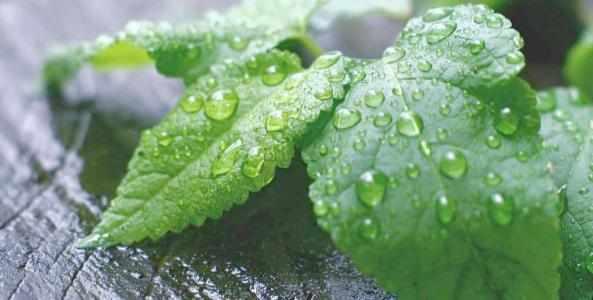
How do you grow mint well? These planting techniques you need to master
Many people like growing mint, feeling that it can both repel mosquitoes and be brewed into tea with great benefits. But mint is a plant that is very easy to propagate, and if planted improperly...
-
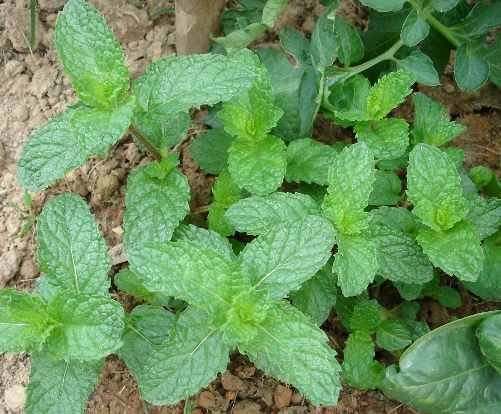
Do mint seeds need to be covered after sowing? A detailed guide to growing them
Many people want to grow mint in the city, but growing mint in the city starts from seeds, not from wild plants straight out in the countryside. So how exactly do you start growing mint from seed? It really is a bit different: Materials to prepare: seeds, containers, medium (soil), sowing tools, watering tools.
-
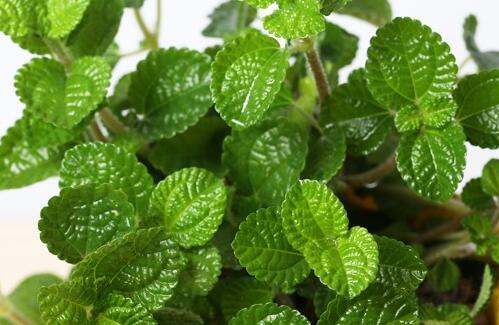
Lemon balm and mint are not the same plant; the difference between the two must be clearly distinguished
Lemon balm is a common indoor foliage plant, while mint is a plant that can be used as medicine. The two look similar, but there are still differences. Although the scientific name of lemon balm is wrinkled-leaf mint, it is not mint, and it differs from mint. The scientific name of lemon balm is lemon bee balm or wrinkled-leaf mint, with the aliases bee balm and bee flower
-
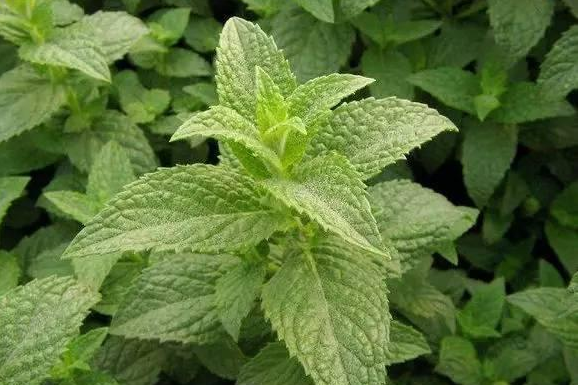
How to Grow Mint: Methods, Precautions and Varieties
Mint is something many people know about. It has a very fresh, delicate fragrance that leaves a wonderful impression. Let's take a look at the growing methods and precautions for mint.
-
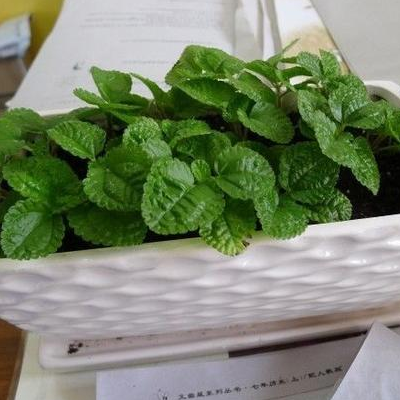
How to Grow Curly-Leaf Mint and How It Differs from Round-Leaf Pilea
Curly-leaf mint is also a kind of mint, and it really does look quite similar to mint. What are the growing methods for curly-leaf mint? What are the differences between curly-leaf mint and round-leaf pilea? Growing methods for curly-leaf mint: Curly-leaf mint is a slightly cold-tolerant plant, and a brief spell of low winter temperatures will not kill it.
-
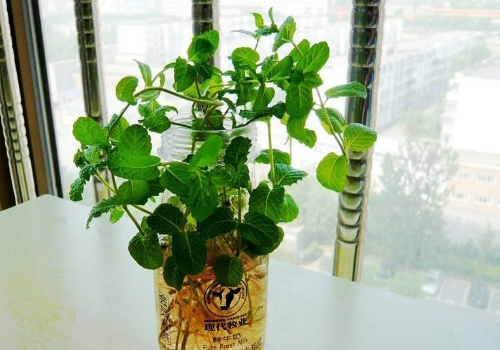
Can mint be grown hydroponically? A detailed guide to hydroponic methods
Mint is a plant that many people love, and it has a fresh, fragrant scent. So can mint be grown hydroponically? How to grow it hydroponically: Can mint be grown hydroponically: Yes, mint can be grown hydroponically. Mint prefers a warm, humid environment with plenty of sunshine and abundant rainfall. Its rhizomes can sprout and emerge at 5-6°C
-

Can lemon mint be eaten? A detailed guide to growing it
Lemon mint is familiar to many people, and a huge number of people like it, so what is the growing method for this lemon mint? Can it be eaten: Lemon mint growing method: 1. Sowing time: in the Yangtze River basin area of southern China, it is planted in autumn and winter, that is, from late October to late November
-
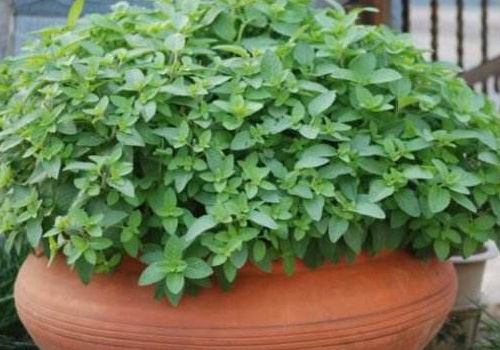
What to Do When Mint Gets Pests? Learn to Tell Mint and Schizonepeta Apart
Mint, as many people know, has a fresh fragrance. So what should you do when mint gets pests? And how is it different from schizonepeta? What to do when mint gets pests: 1. You can buy flower insecticide to kill aphids. 2. You can make your own: tobacco contains nicotine.
-

Duck prosthogonimiasis is a type of parasitic helminth disease in ducks.
Duck prosthogonimus is a parasite that lives in the bile ducts or gallbladder of the duck liver. It mainly affects ducks over one month of age, and both the infection rate and infection intensity are very high. Death often occurs due to blockage of the gallbladder and bile ducts by the worms, making it one of the trematode diseases currently causing relatively great harm to ducks. There are two species of prosthogonimus parasitic in the gallbladder and bile ducts of ducks (Prosthogonimus orientalis and Prosthogonimus taiwanensis), and the one commonly seen in clinical practice is mainly Prosthogonimus orientalis. 1. Pathogen and epidemiological characteristics The pathogen is Prosthogonimus orientalis, belonging to the family Opisthorchiidae. The worm body is leaf-shaped, 2.4-4
-
How to prevent and control fish helminthiasis? Detailed explanation of prevention and control methods
Fish diseases caused by some species of flatworms, roundworms, and segmented worms are called fish helminthiasis, such as: dactylogyriasis, gyrodactyliasis, diplostomiasis, ligulosis, etc. Prevention and control methods: 1. Spread 0.65-0.7 microliters/liter of crystal trichlorfon over the whole pond. 2. Use quicklime to thoroughly clear the pond and kill snails. In fry and fingerling rearing ponds, copper sulfate can be spread to make the pond water 0.7 microliters/liter, and after an interval of 12-24 hours, spread it again at the same concentration.
条件筛选