-

How to control cotton aphids in summer? These methods you need to master
Control of cotton aphids in summer. 1. Rotate the use of pesticides. Rotate the use of conventional field pesticides such as acetamiprid, imidacloprid and chlorpyrifos to reduce the likelihood of aphids developing resistance. Once aphids develop resistance to a certain chemical pesticide, even if you increase the number of applications and raise the pesticide concentration, you will not achieve the desired control effect. 2. Spray the affected parts evenly and thoroughly. Cotton is now in full bloom and the plants are tall, so when spraying you must be careful and thorough, focusing on spraying the undersides of the leaves in the middle and lower parts of the cotton plant, strictly preventing missed spraying and missed coverage, and truly
-
Methods to control excessive growth and promote sturdy wheat seedlings: these technical points must be mastered
When wheat seedlings grow excessively before winter, their growth period advances, nutrient accumulation decreases, and cold resistance drops, which is not conducive to safe overwintering. They can be managed by category according to the cause of excessive growth to control vigorous growth and promote sturdiness. 1. Vigorous seedlings formed by too-early sowing: the seedling leaves are slender, tillering is insufficient, and the main stem and some large tillers enter the double-ridge stage before winter. Such wheat seedlings are often vigorous early and weak later, and will be frostbitten in winter when exposed to a low temperature of minus 10°C lasting 5 hours. They should be pressed in a timely manner to inhibit the growth of the main stem and large tillers of the wheat seedlings and control spindly growth. Pressing should be done on a sunny morning; it must not be done when there is frost or dew
-
How to prevent and control rose downy mildew? These methods you need to master
Downy mildew is a fungal infectious disease. Rose downy mildew develops quickly and is extremely harmful, making it a devastating disease. It mainly affects new shoots and leaves in the middle and lower parts of the plant. In the early stage, chlorotic spots appear on the underside of the lower leaves, and the spots are irregular and covered with a frost-like mold layer. Later they turn dark purple, resembling water-soaked areas, until they become brown. The spots are polygonal and gradually become scorch-like. When the damage is severe, all the leaves drop and the plant dies. Control measures 1. Plant at a reasonable density, no more than 12 plants per square meter, and
-
How to control the jujube leopard moth? These methods you need to master
(1) Manual pruning of infested branches: during early spring pruning, cut off the damaged branches to eliminate the overwintering stages of the pest, and destroy them in a centralized manner. (2) Use black light traps to kill the adults during their emergence period from June to July. (3) Protect and make good use of natural enemy resources, such as braconid wasps, ants and birds. (4) Chemical control: inject 80% dichlorvos 200-fold solution into the entry holes, and seal the openings with mud.
-
How to care for the Boston fern? These methods you need to master
The Boston fern, also known as comb fern. It is a perennial evergreen herbaceous plant of the Davalliaceae family. The fronds are deeply pinnatifid, lanceolate, bright green, and grow in dense clumps. The sori are borne at the tips of the upper veinlets on each side vein of the pinnae, and the indusium is kidney-shaped. Commonly cultivated plants of the same genus include the long-leaved Boston fern, the fine-leaved Boston fern, and the slender-leaved Boston fern.
-
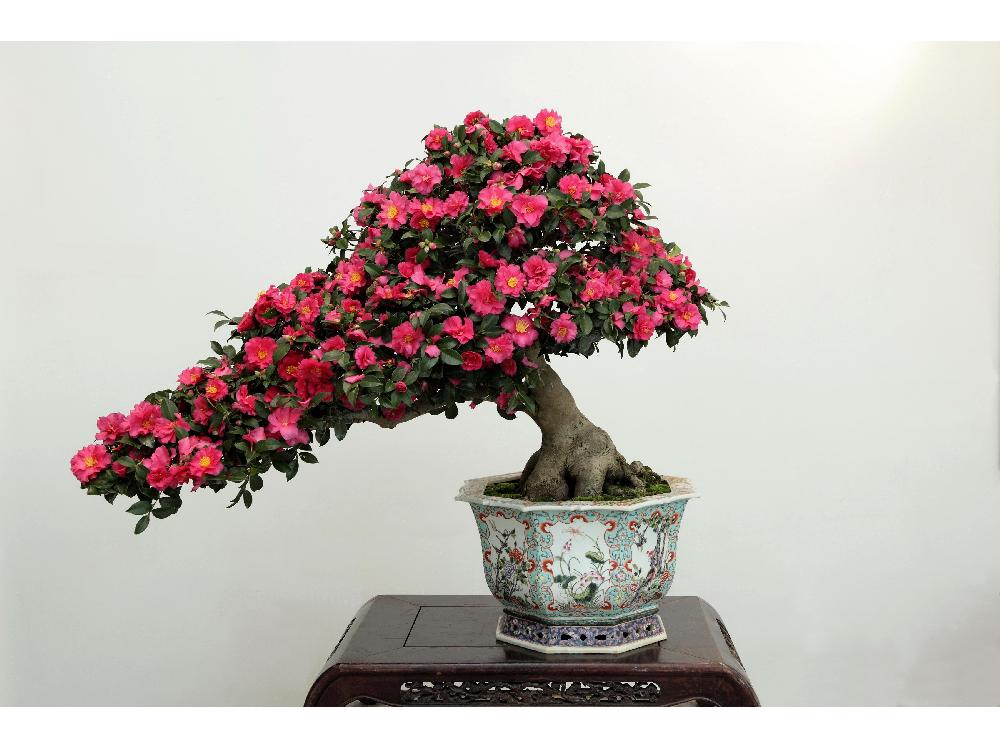
How to fertilize potted camellias? These methods are essential to master
Fertilizing camellias should be done selectively according to the different growth stages of the camellia. During the growing period, camellias need topdressing, and it is best to apply quick-acting liquid fertilizers and chemical fertilizers. At the stage of sprouting branches and leaves, nitrogen fertilizer or a mixed fertilizer mainly based on nitrogen should be applied. Before flower bud differentiation, flower bud formation, enlargement, and flowering, phosphorus fertilizer or a mixed fertilizer mainly based on phosphorus is needed
-
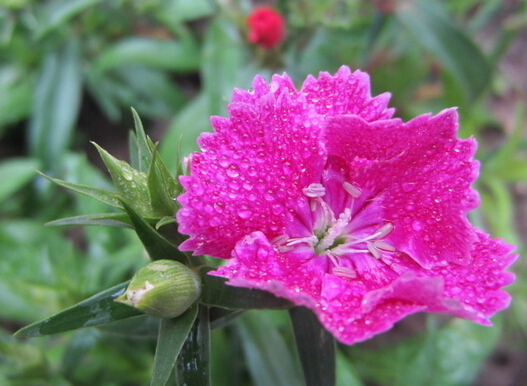
How to grow Dianthus? These cultivation methods you need to master
Dianthus scientific name: dianthus chinensis l. Morphological characteristics: Dianthus family, Dianthus genus, plant height 30-50cm, stems erect or slightly prostrate at the base. Leaves simple, opposite, linear-lanceolate, clasping at the base. Flowers solitary or several in a cyme; white to pink
-

How do you care for a Ping'an tree? These care methods you need to master
1. Tracing the name This foliage plant known as the Ping'an tree is an evergreen small tree of the genus cinnamomum in the family lauraceae, and its real name is Lanyu cinnamon
-
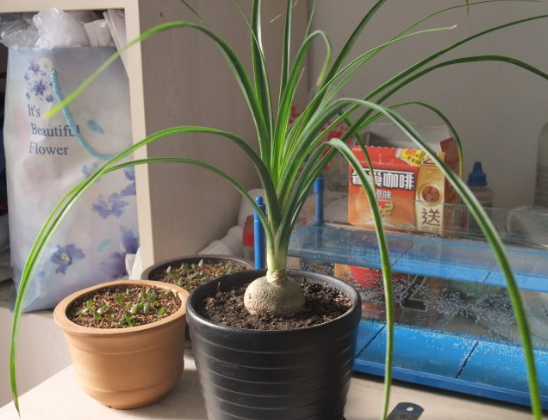
How to grow a ponytail palm? Five key cultivation methods and precautions to master
I. How to grow a ponytail palm 1. Soil Ponytail palm cultivation has high requirements for soil. It is best to choose sandy soil and humus soil with good drainage. Use one part coal cinder mixed with three parts garden soil, plus a small amount of chicken manure as base fertilizer. This basically completes the first step.
-

What is Rosa chinensis also called? Cultivation methods beginners need to master
People who have grown Rosa chinensis may know that it has strong vitality. It has a very strong vigor and wide adaptability, and its requirements for soil are not very strict, so many flower enthusiasts now like this plant very much
条件筛选