-

How to Treat Sunburn on Phalaenopsis Leaves and Recommended Medications
As an elegant and precious ornamental plant, once the leaves of a Phalaenopsis (moth orchid) are sunburned, it not only affects its appearance but may also adversely affect the plant's growth. So, when the leaves of a Phalaenopsis are sunburned, what should we do? And what medications are needed to help it recover? How to Treat Sunburn on Phalaenopsis Leaves
-

How to Treat Root Rot from Waterlogging in Phalaenopsis Orchids and the Medications Commonly Used
As a tropical orchid, the Phalaenopsis (moth orchid) suffers from root rot caused by waterlogging, which is a headache-inducing problem during its care. Below is a detailed introduction to how to treat root rot from waterlogging in Phalaenopsis, as well as the medication treatment options to use after root rot, to help flower lovers better care for their beloved Phalaenopsis. The main causes of root rot from waterlogging in Phalaenopsis
-

What medications are commonly used in pig farms?
If you want to invest in and operate a pig farm, preparing some essential commonly used pig-raising medications is a very important point that is often overlooked by novice farmers. By the time the pigs actually get sick or an epidemic breaks out, rushing to find a nearby veterinarian may
-
Symptoms and Treatment Medications for Common Swine Diseases: Classical Swine Fever, Swine Pasteurellosis, and Swine Erysipelas
There are many types of swine diseases, including infectious diseases, parasitic diseases, internal and surgical diseases, etc., which severely affect the development of the pig farming industry and cause huge economic losses. What are the symptoms of classical swine fever, swine pasteurellosis, and swine erysipelas? How to treat them? What injections (medications) to use? Classical swine fever, swine pasteurellosis
-
What animals are poultry? Introduction to common medications
Poultry refers to birds raised in captivity, mainly for their meat, eggs and feathers, and also for other uses. So what animals are poultry? What are the common medications? What animals are poultry? 1. Poultry generally refers to animals of the Phasianidae and Anatidae families, such as chickens,
-
Common Disease Symptoms in Chickens and What Medications Treat Them Effectively
The chicken is a type of poultry. The domestic chicken originated from the wild red junglefowl, and its domestication history spans at least about 4000 years. Chicken types include the turkey, silkie, pheasant and others. So what are the common diseases of chickens? What do the symptoms look like? What should be used for effective treatment? 1. Strengthen feeding management.
-
A Detailed Guide to Common Medications and Medication Precautions on Poultry Farms
The medications commonly used on poultry farms are mainly: various antibiotics such as penicillin, streptomycin, oxytetracycline, chlortetracycline, tetracycline, 7-chloramphenicol, synthomycin, neomycin, kanamycin, polymyxin, gentamicin, erythromycin, kitasamycin, bacitracin, nystatin
-
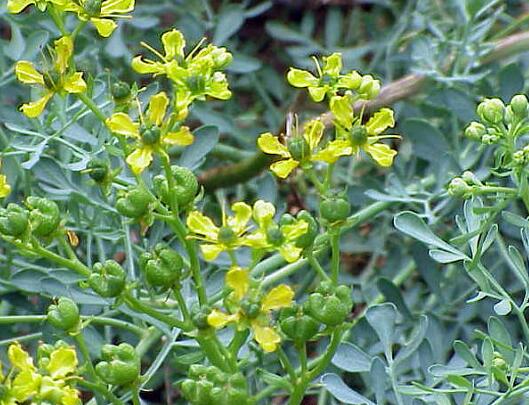
Complete Guide to Plant Disease Classification and Formula Medications
Plant diseases refer to the phenomenon in which plants, under the influence of biological or abiotic factors, undergo a series of morphological, physiological and biochemical pathological changes, thereby affecting human economic benefits. The symptoms of plant diseases are mainly divided into five major types: discoloration, necrosis, rot, wilting and deformity
-
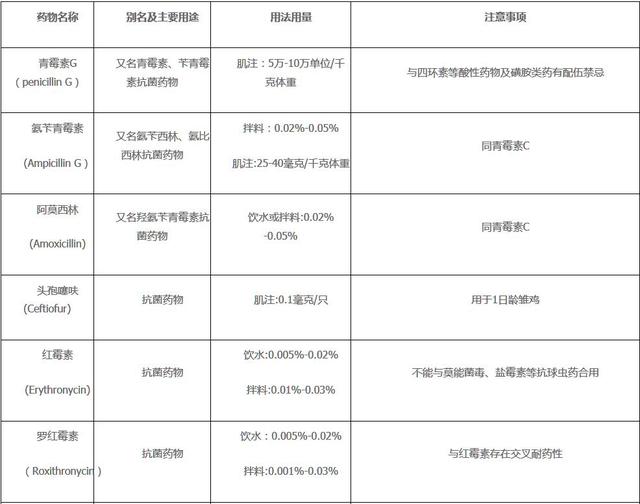
Reference Guide to Common Poultry Medications and Their Dosages
Hello everyone, today I'd like to share with you a reference on common medications and their dosages for poultry such as chickens, ducks and geese. If you have more questions about farming, feel free to leave a comment...
-
Identification Methods and Correct Usage Techniques for Common Fish Medications
I. Antibacterial Agents (1) Furazolidone, also known as furaltadone. Yellow powder, odorless, with broad-spectrum antibacterial action and relatively low toxicity; can be administered orally or as a bath, mainly used to prevent and treat eel gill rot, enteritis, red fin disease, and red spot disease. For oral administration, mix 15-20 g of the drug per 100 kg of feed, for a course of 3-5 days; for bath treatment, scatter the drug solution over the entire pond at 2 g per cubic meter. Because the drug is poorly soluble in water, it can first be soaked and mixed with alcohol before use. (2) Chloramphenicol. White powdery drug, easily soluble in water, effective against both Gram-negative
条件筛选