-

What to Do When Clivia Leaves Develop Spots? Common Disease Prevention and Control Methods
Nowadays many people like to grow some plants at home, which not only helps pass the time but also makes the home feel more cozy. More and more people like to keep clivia at home. You can often hear people say that the leaves of their clivia have developed spots.
-
How to Treat Rust Spots on Fiddle-Leaf Fig Leaves? Causes of Blight Rot and Fungicide Control Methods
The fiddle-leaf fig is a common foliage plant, and many people like growing fiddle-leaf fig potted plants; it is also one of the most common indoor potted plants. The leaves of the fiddle-leaf fig are fairly large and emerald green; placing one at home not only serves as a decorative plant but also has a certain air-purifying
-
Causes and Solutions for Leaf Drop and Black Spots on the 'First Love' Succulent
The 'First Love' succulent is a common variety of succulent plant, and it can now be seen in many places across our country. Because of its attractive appearance, many people grow it at home. But have you ever experienced the trouble of leaf drop while growing it? In fact, this ⟦4 <p>The 'First Love' succulent is a common variety of succulent plant, and it can now be seen in many places across our country. Because of its attractive appearance, many people grow it at home. But have you ever experienced the trouble of leaf drop while growing it? In fact, all of this is caused by not mastering the proper techniques.</p><p></p><p><strong>Causes of leaf drop in the 'First Love' succulent</strong></p><p>1. Overwatering. Some succulent growers cannot control their hands, and whenever they see the plant looking a bit dry they keep watering it, which leads to excessive moisture and causes the leaves to fall off at the slightest touch. In this situation, you must pay attention to watering at ordinary times. Generally, watering thoroughly after the soil has dried out is enough; just do not let water accumulate in the pot.</p><p>2. Lack of light. Sometimes when the plant lacks light for a long time, the leaves will also fall off at the slightest touch. The best solution in this case is to give it more sun at ordinary times, but in summer be careful not to let it get sunburned; some plants need shading.</p><p>3. Root rot. Leaves falling off at the slightest touch is sometimes caused by a problem with the plant's root system. At this time you can take the plant out of the pot to check whether the roots have a problem. If there is a problem, use a sterilized knife to cut off the rotten roots, then apply some carbendazim powder to the wounds, let the wounds dry, and then repot.</p><p></p><p>4. Soil and pot that do not breathe. Apart from the four situations above, leaf drop is sometimes caused by soil and pots that do not breathe. Poorly aerated potting soil often leads to weak roots, and at this time you should replace the soil and pot promptly.</p><p>5. Pests. If your plant is being troubled by scale insects or root mealybugs, then leaf drop is almost certain to happen, so pay attention to timely prevention and control of common succulent pests.</p><p>6. Normal metabolism. This one is relatively easy to judge. In this situation, mostly only the bottom leaves fall off, and new leaves are growing; the new leaves are not wrinkled and do not fall off easily. In this case there is no need to worry; the consumption shows that the plant is growing.</p><p></p><p><strong>Solutions for leaf drop in the 'First Love' succulent</strong></p><p>1. For 'First Love', the soil mix is generally one part peat + one part vermiculite + one part perlite, with an appropriate amount of bone meal added. You can also use a mix of 3 parts leaf mold, 3 parts river sand, 1 part garden soil, and 1 part cinder. During the growing season, water thoroughly after the soil has dried out. When the air is dry, you can sprinkle water around the plant, but water should not accumulate on the leaf surface, especially in the center of the leaf rosette, otherwise it will cause heart rot.</p><p>2. 'First Love' likes a warm, dry, and ventilated environment, likes light, is drought-tolerant, cold-tolerant, and tolerant of partial shade. Its main growing seasons are spring and autumn. Water thoroughly after the soil has completely dried out, and reduce watering in summer.</p><p>3. For a glass pot, watering once every half a month is enough. The plant's roots have already partially rotted, affecting the supply of nutrients and water. Now the more you water and the more you expose it to the sun, the greater the plant's transpiration, and this vicious cycle will eventually lead to the death of the whole plant. Pots with a substrate that does not breathe should have drainage holes; water less and give more light.</p><p>4. 'First Love' has no obvious dormancy period. In winter, it is best to place it indoors in a sunny spot for care.</p><p>5. If it really cannot be saved, then use the relatively healthy fallen leaves for leaf propagation. If almost all the leaves have fallen off, you can also behead it for cutting propagation.</p><p></p><p><strong>What to do if the 'First Love' succulent develops black spots</strong></p><p>The weakness of black spot disease is that it fears high temperatures and fears dryness. Directly place the affected plant in the sunlight, keep the environment relatively dry, and expose it to strong sun for a period of time. Spray fungicide promptly until it improves. In care, also note: do not use soil that has not been disinfected and sterilized; keep the growing environment ventilated; when the rainy season comes, never let it be rained on at will (this point is very important); and never let the potting soil stay wet for a long time.</p><p></p><p><strong>Causes of black spots on the 'First Love' succulent</strong></p><p>If you are not careful in daily care and water directly onto the leaves or the leaf center, water will accumulate for a long time. A stuffy, unventilated environment, especially the stuffy heat of summer, breeds various bacteria. Once 'First Love' develops black spots, it is also rather troublesome to deal with, and there is only a 50% chance of recovery. So during care you must pay attention to them at all times. Please do not casually discard the sick succulents around you; work hard to save them.</p><p></p><p>The causes of leaf drop in the 'First Love' succulent are generally root rot, too little light, pests, and overwatering. If leaf drop occurs during your growing process, you can observe the cause and eliminate this phenomenon at its root. The 'First Love' succulent may also develop black spot disease during growth, and you need to prevent and control it promptly.</p>
-
What to do when 'First Love' succulent leaves develop spots? Find the cause and treat it promptly
First Love developing black spots: Black spots on First Love leaves are usually caused by black spot disease. The black spots are roughly circular and slightly raised, and the plant shows no other symptoms in the early stage. But gradually the leaves will wither or turn to mush, falling off at the slightest touch. Gradually all the leaves will become
-
What causes rust spots on fiddle-leaf fig leaves?
The fiddle-leaf fig (Ficus lyrata) is a small shrub, often found in mountain areas, open fields or scrub forests in southeastern and south-central China. Its leaves are papery and it gets its name because the leaves are shaped like a cello. The leaves of the fiddle-leaf fig are dark green, glossy, and grow vigorously and densely, with very
-
What to Do When Clivia Develops Leaf Spots and Yellowing? Causes and Solutions
When leaf spots or yellow leaves appear on Clivia leaves, it may be a disease, such as leaf spot disease or yellow leaf disease. Under normal circumstances, the leaves of Clivia survive on the plant for about three years, and then the old leaves turn yellow, age and fall off naturally. This is the normal natural process of Clivia's growth and metabolism
-

How to remove leaf spots from Cymbidium orchid leaves?
Methods for removing leaf spots from Cymbidium orchid leaves
-
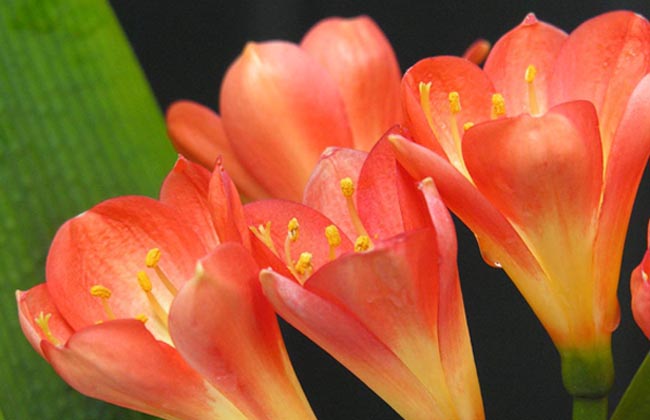
Causes and Solutions for Leaf Spots and Yellowing in Clivia Leaves
What to Do When Clivia Develops Spots and Yellowing?
-
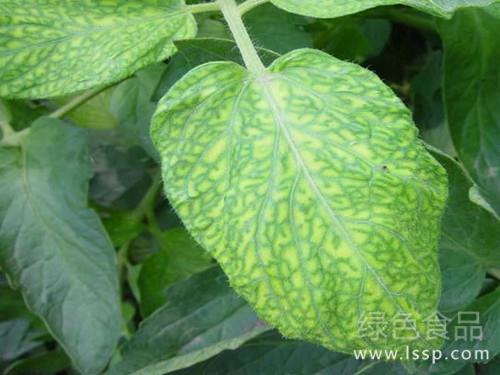
Control methods for tomato viral disease causing stunted plants, upward-curled leaf edges and spots
Control methods for tomato viral disease with stunted plants, upward-curled leaf edges and spots
-
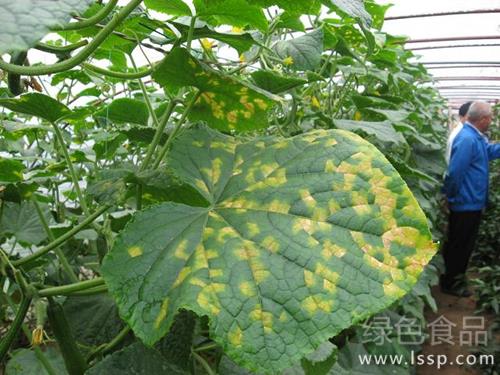
Cucumber leaf spots with target-like centers tend to turn yellow and wither: control methods for target spot disease in greenhouses
Spots have target-like centers and leaves tend to turn yellow: control methods for cucumber target spot disease in greenhouses
条件筛选