-
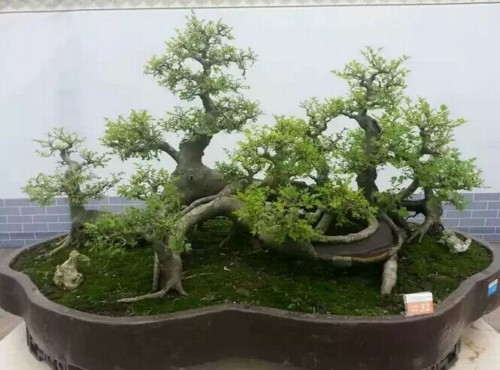
What are the layout methods for forest bonsai? A detailed guide
The layout of forest bonsai is extremely important; it is the key to the success or failure of creating a forest-style bonsai. Several trees that have undergone soil removal are arranged in the pot on a trial basis, and through observation, deliberation, and adjustment of the trees' positions, you achieve a clear distinction between primary and secondary, appropriate spacing and density, and varying heights.
-
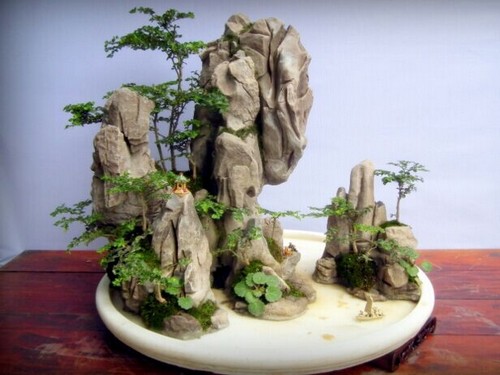
The Style, Layout and Styling Characteristics of Sichuan-Style Bonsai Art
A long history and favourable natural conditions have driven the continuous development of bonsai art, while the splendid Ba-Shu culture and the region's uniquely rich natural materials gave birth to today's distinctive Sichuan-style bonsai art. A stylistic approach that pursues nature and combines form with spirit: Sichuan-style bonsai styling comes from life, yet rises above life
-
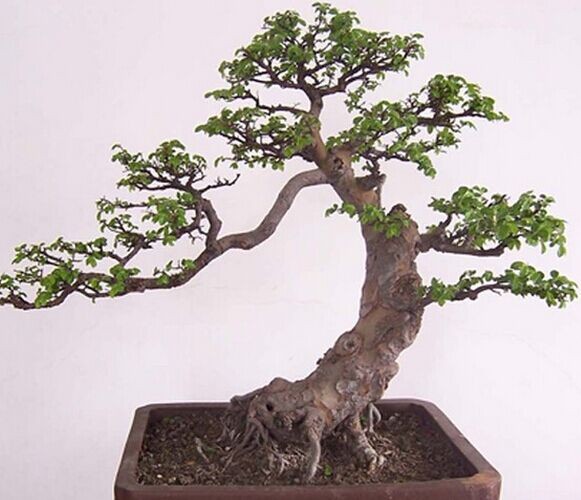
Detailed Explanation of the Layout Methods and Techniques of Tree-Stump Bonsai
Tree-stump bonsai values "clear, strange, ancient, and grotesque," with the aged and picturesque being regarded as the finest. Whether a tree stump appears aged or young does not depend entirely on the age of the tree; as long as we pay attention to the characteristics of ancient and famous trees and fine bonsai works when admiring them, and seek out the patterns of agedness and youthfulness, it is entirely possible to use artificial methods
-
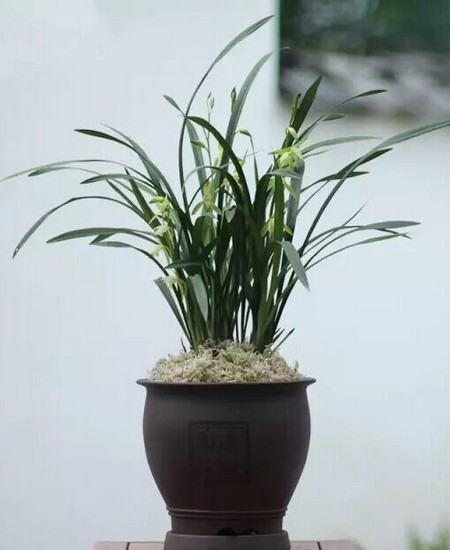
What are the layout methods for making orchid bonsai?
Orchid leaves are elegant, graceful and upright, numerous yet orderly. Their flowers have a subtle, far-reaching fragrance, rich and striking; with one plant in a room, the whole house is filled with scent. Orchids, along with plum blossoms, bamboo and chrysanthemums, are known as the Four Gentlemen. Orchids grow among secluded valleys, sparse rocks and fallen leaves, with silver roots tangled and interwoven, and leathery evergreen leaves. They do not compete in beauty with peach and plum blossoms, nor do they change color because of frost and snow; their bearing is quietly elegant.
-
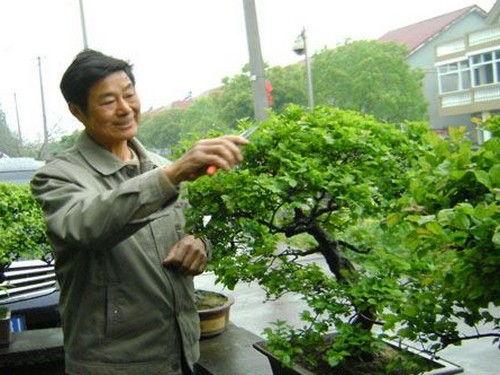
How can penjing creation use ingenious and clever layout to achieve the effect of seeing the large within the small?
Once the rough plan is formed, the layout can proceed according to established rules. Layout means arranging and placing the scenery, that is, modeling. Whatever theme is expressed, penjing emphasizes the artistic effect of seeing the large within the small even more than gardens do. The better this effect, the higher the artistic value of the penjing. Although among penjing there are large penjing
-

Rationalized Layout of Improved Tea Cultivars in Liandu District
Liandu District of Lishui City is located in the heart of southwestern Zhejiang, in the middle reaches of the Ou River. The area is embraced by green mountains and clear waters, with extremely rich ecological resources. It is a national ecological demonstration zone with a forest coverage rate of over 80%, and is known as "Green Liandu." Liandu District has four distinct seasons and a mild climate, belonging to the mid-subtropical monsoon climate zone. The soil is mainly red-yellow soil and lithological soil, with a pH value mostly between 4.5 and 6.5, which is very suitable for tea cultivation, and the tea produced is of excellent quality. 1. Overview of tea production and improved tea cultivar structure in Liandu District
-
A Detailed Guide to Making Landscape Bonsai: Material Selection, Layout, Shaping and Plant Pairing
Rock Material Selection: Landscape bonsai is a scene formed by arranging and combining mountains, rocks, grass and trees in a pot. Rock material is the main material for creating landscape bonsai. There are many kinds of rocks, most of which are mined from nature, and their texture, color and crack patterns all have a natural essence. When selecting materials
条件筛选